Recover from a turbulent past and confront an uncertain future
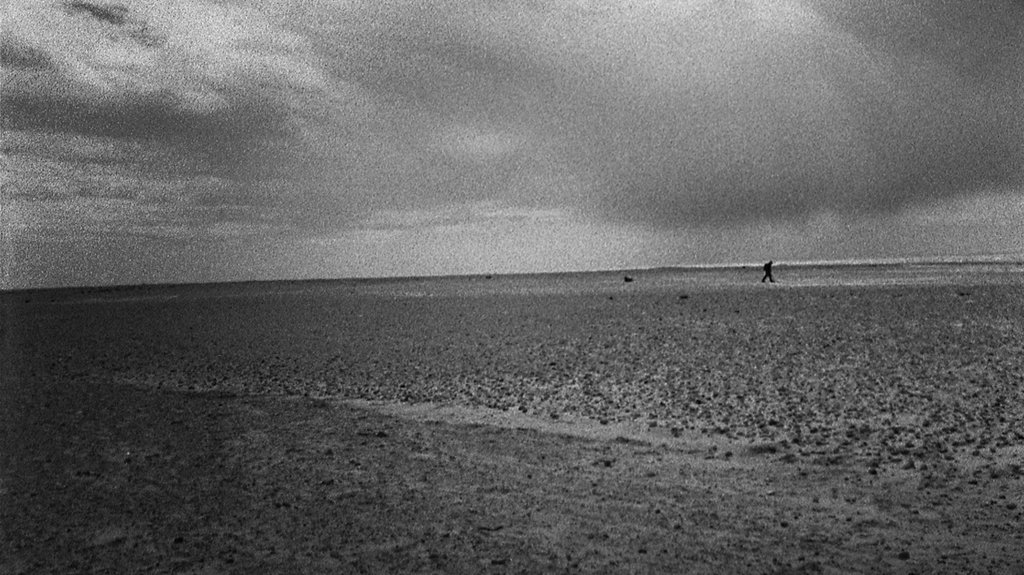
LIBYA: The revolution in Libya was tailored for today’s preferred style of foreign military intervention.

LIBYA: The revolution in Libya was tailored for today’s preferred style of foreign military intervention.
US laws around clearance, privacy and copyright can be a bit of a jungle. American and Norwegian copyright lawyer Lisa Digernes offers guidelines to European producers on how to navigate when producing in or for the US market.
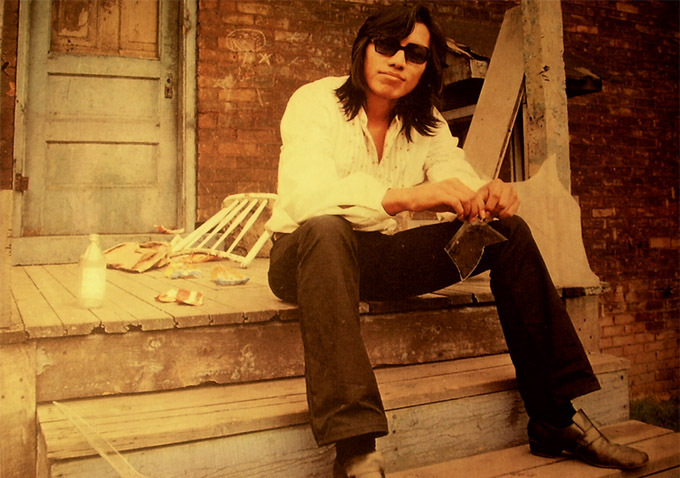
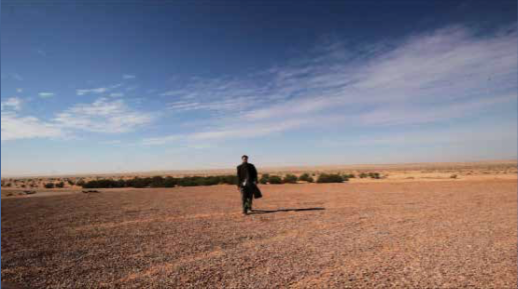
Rediscovery of an unknown rock star. The debut of Swedish director Malik Bendjelloul tells the unbelievable story of Mexican-American singersongwriter Sixto Diaz Rodriguez. Overlooked and forgotten in his own country, he enjoyed revolutionary cult fame in South Africa during the Apartheid-era.
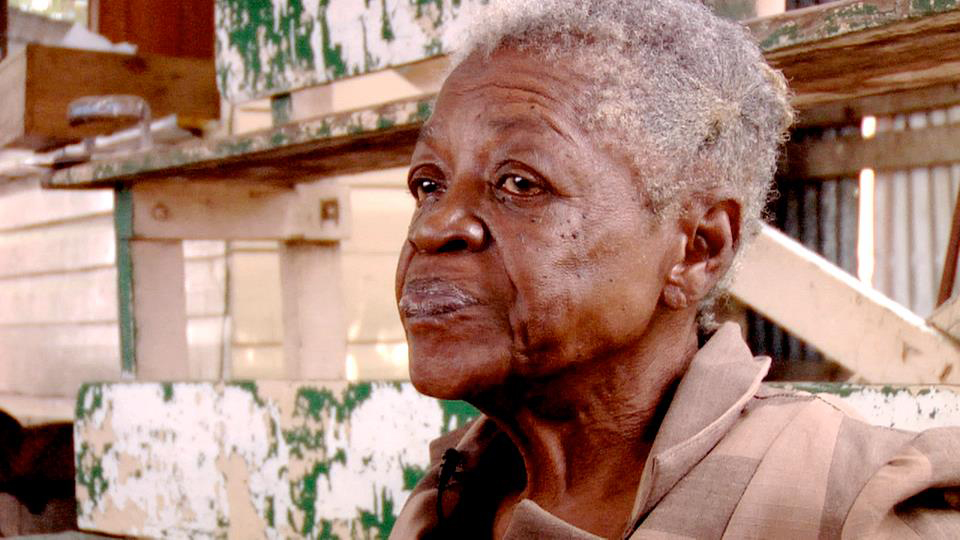
From the Binger DocLab workshop, Willemien Sanders looks into the development of The Bastard Sings the Sweetest Song.
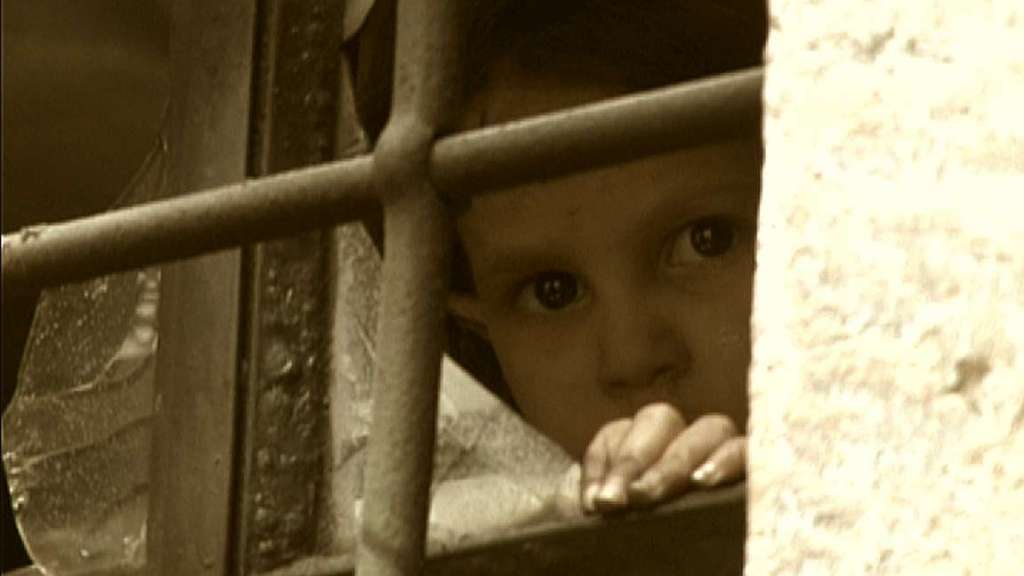
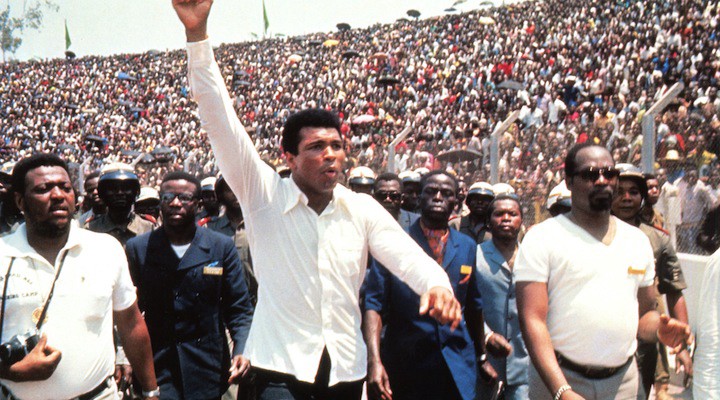
The most powerful court i have ever seen. Two films tries to answer this question, as Margareta Hruza tells us.
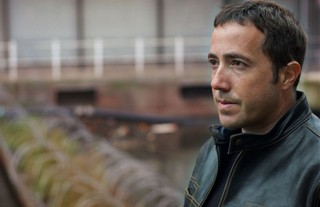
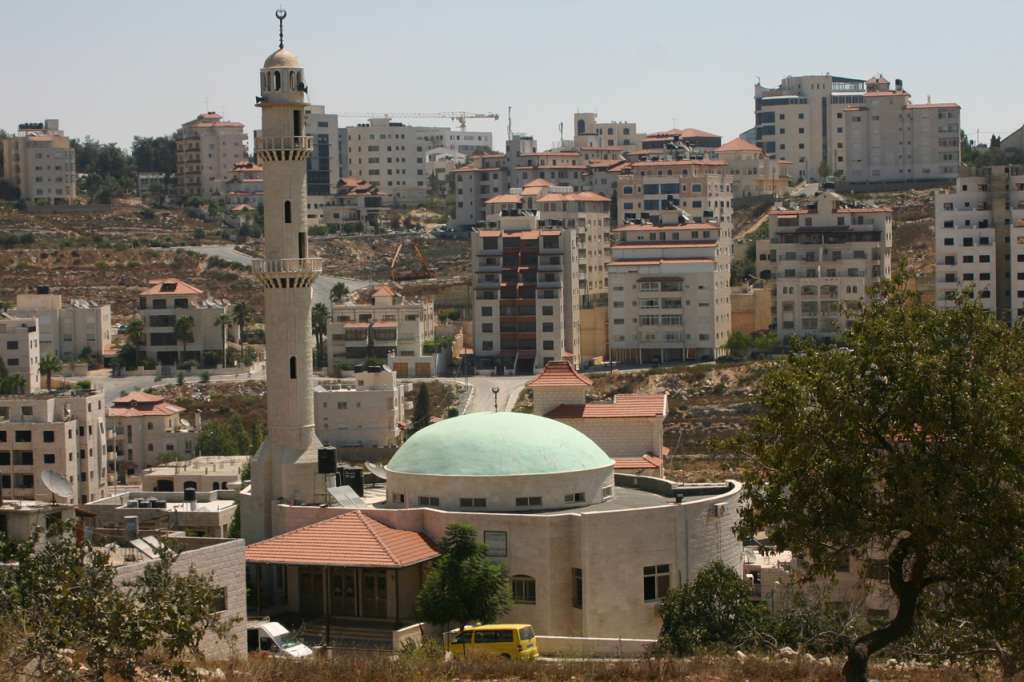
Israeli filmmaker Yoav Shamir didn’t really want to make yet another film about the occupation.
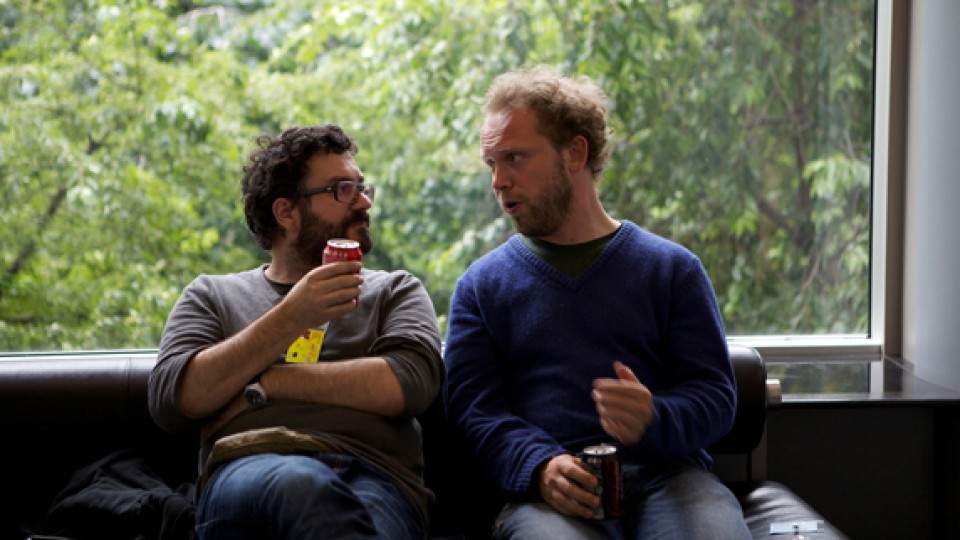
For the past forty years, economic policy has been dominated by neo-liberal assumptions that have dictated trade integration, liberalization of domestic markets, de-regulation of industry, flexibility of labour markets and generally the withdrawal of the state from economic regulation. – This is not news. What has been less clear is how these policies came to dominate the minds of our politicians, and in particular how this happened in Europe.
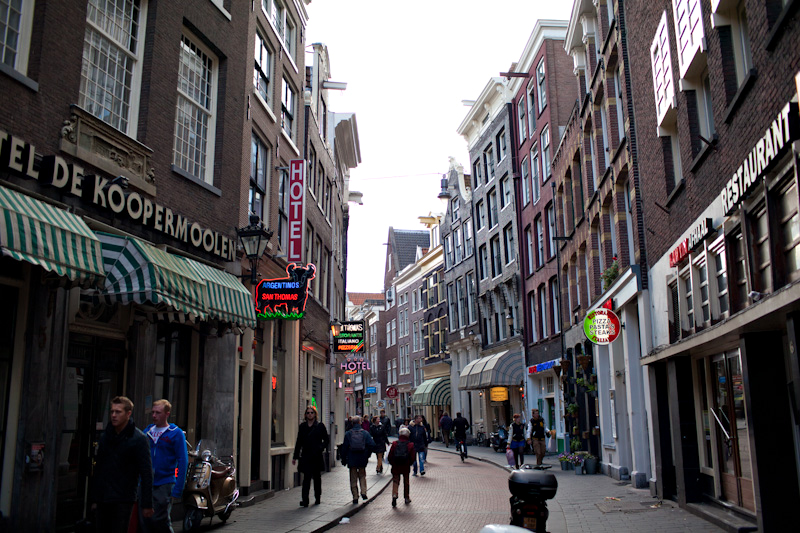
Last year IDFA opened a competition section for green documentaries. One tells us that 18% of greenhouse gases are emitted by livestock and animal farming, more than from air and road transport combined. Another that every 30 minutes a farmer in India commits suicide; we learn why.
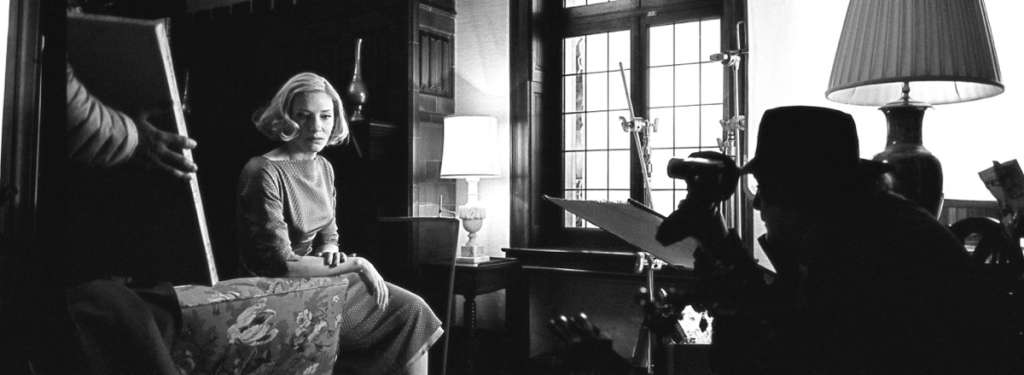
At Plus Camerimage 2011 DOX had the opportunity to talk to Ed Lachman and Haskell Wexler, both accomplished cinematographers who have worked on both fiction and documentary films.
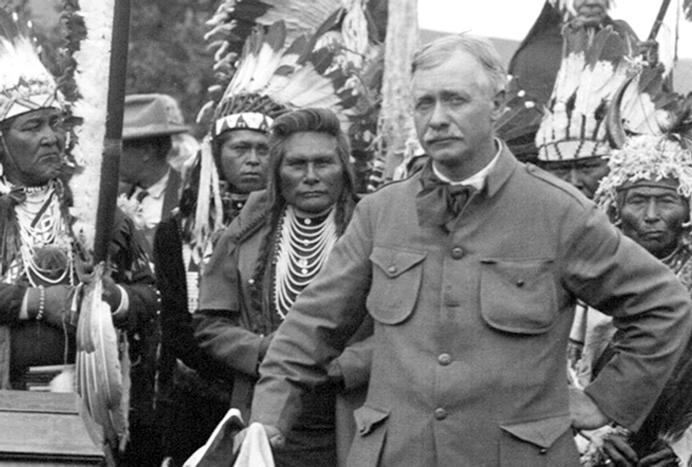
Steffen Moestrup examines the borderland between visual anthropology and documentary filmmaking and finds a wealth of interesting and useful reflections.