Arsen Oremović’s film Third World – about the legendary Croatian band #Haustor – is a perfect choice for a World Premiere at the 31st edition of the Sarajevo Film Festival this year.
A perfect setting
The mid-August movie event includes outdoor screenings, long, lazy coffees, open-air workshops and plenty of great parties. Including a film about a remarkable ’80s band that rocked the former Yugoslav music scene 40 years ago is bound to be a popular choice.
Local audiences will love it. Whether the international crowd of critics and buyers who faithfully attend Sarajevo – long seen as a jewel of a festival – feel the same way is difficult to say.
For those of us brought up on 70s and 80s music in the West, a band popular in Communist-era #Yugoslavia singing in Croatian is likely to be rather exotic, if not entirely obscure.
The English-language rock, pop, punk and New Wave scene was so intense, overwhelming, and ubiquitous that only the most adventurous of those outside the #Balkans are likely ever to have heard a note of Haustor’s music.
Local audiences will love it.
40th anniversary
Named for the band’s revolutionary second album, Oremović’s film is a deep dive into a 40th anniversary reunion to re-record the album. At 90 minutes, this will enthral fans, or those who grew up with the band’s music as the backtrack to their teenage years. For an international viewer, a tighter format of less than 60 minutes would suffice.
After a promising start, where archive footage gives us a glimpse into the anarchic world of student stage and music from which Haustor emerged in what was then Tito’s Yugoslavia, we are introduced to the band members.
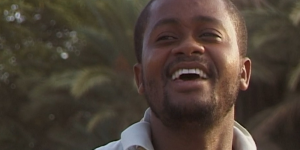
They are all in their late 60s or early 70s now, still living in #Zagreb (some in the apartments they lived in back then). They are modest and by no means wealthy, as some bands of the same era in the West are today. Each member of the band is given a platform to introduce themselves, either by walking around their hometown or by sitting in a studio. Here we learn that Haustor was the name given to the entrances to buildings, the concrete doorsteps of #Communist pre-fabs, or the archways into older 19th-century buildings. The name evokes a liminal space between inner and outer worlds, and this is what Third World means to them.
The creative tensions between founder members Srdan Sacher and Darko Rundek are explored.
As Rundek, the band’s leader and singer, explains: «Third World is neither a banal world nor a wonderland…but maybe it is a banal world that is recognised as magical.»
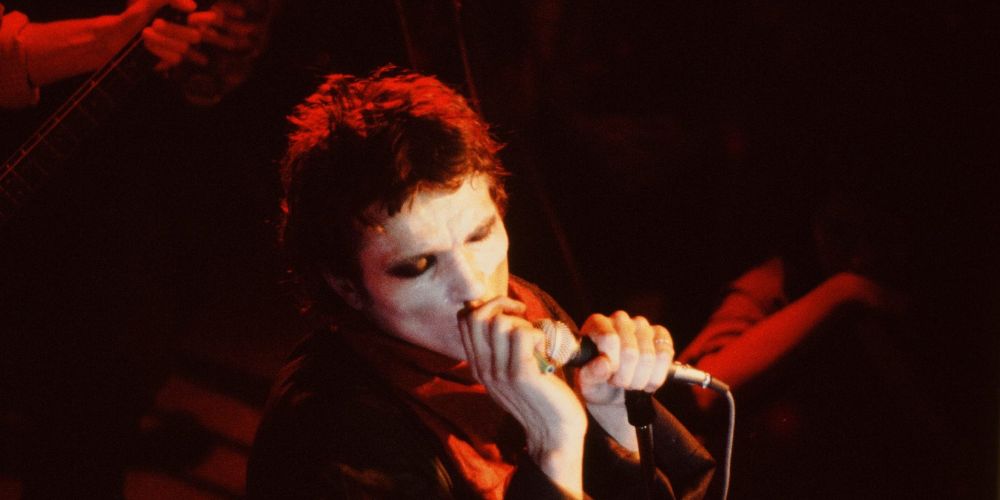
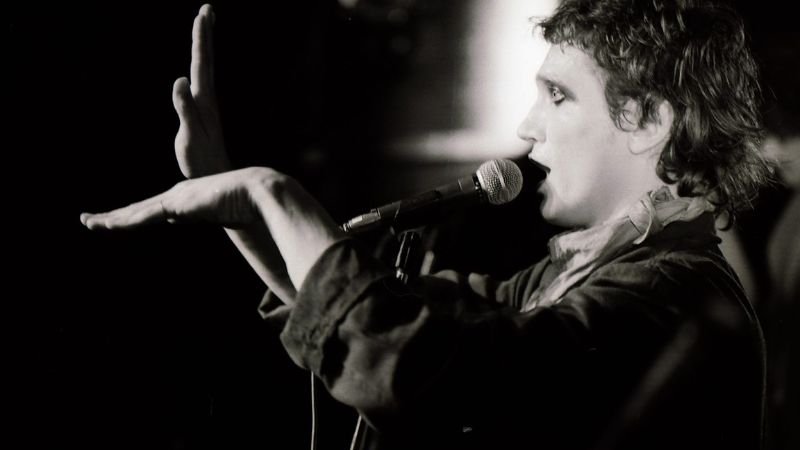
The band drew inspiration from world music, Balkan folklore, everyday life – and their own imaginations. Their style was more theatre than film, the ubiquitous black eye-liner of the New Wave of the 80s the only thing in common with groups from the West of the time.
More music
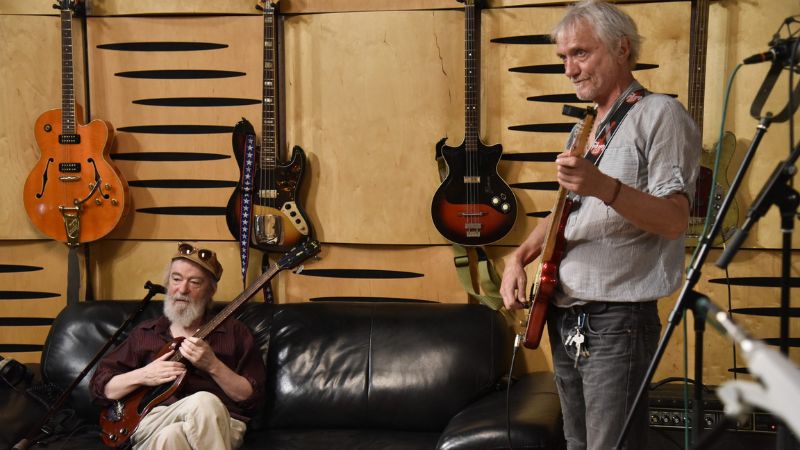
There are a lot of talking heads, experimental riffs, and sound studio sessions in Third World. There is not enough music.
For international sales or screening potential, a much tighter cut with more music from the 80s is needed. Something on what the band members did since the 1980s – particularly after Yugoslavia descended into #civil war# in the early 1990s – would be enlightening.
For local screenings, the crowds won’t care. The trip back to their youth that Third World provides will be enough.