Is the conflict between Israelis and Palestinians an Israeli-Palestinian or, perhaps, an Arab-Israeli conflict? Or is it a conflict between imperialists and anti-imperialists? How should it be framed? Politically, and morally?
What is really at stake? Palestine, and that’s it?
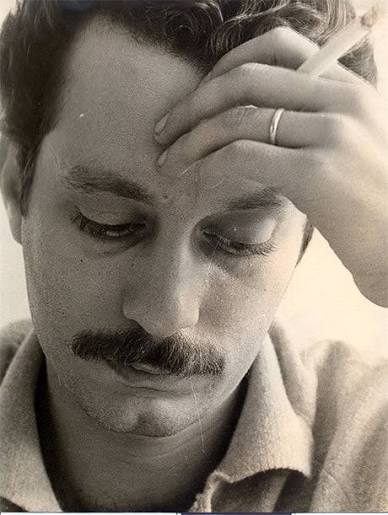
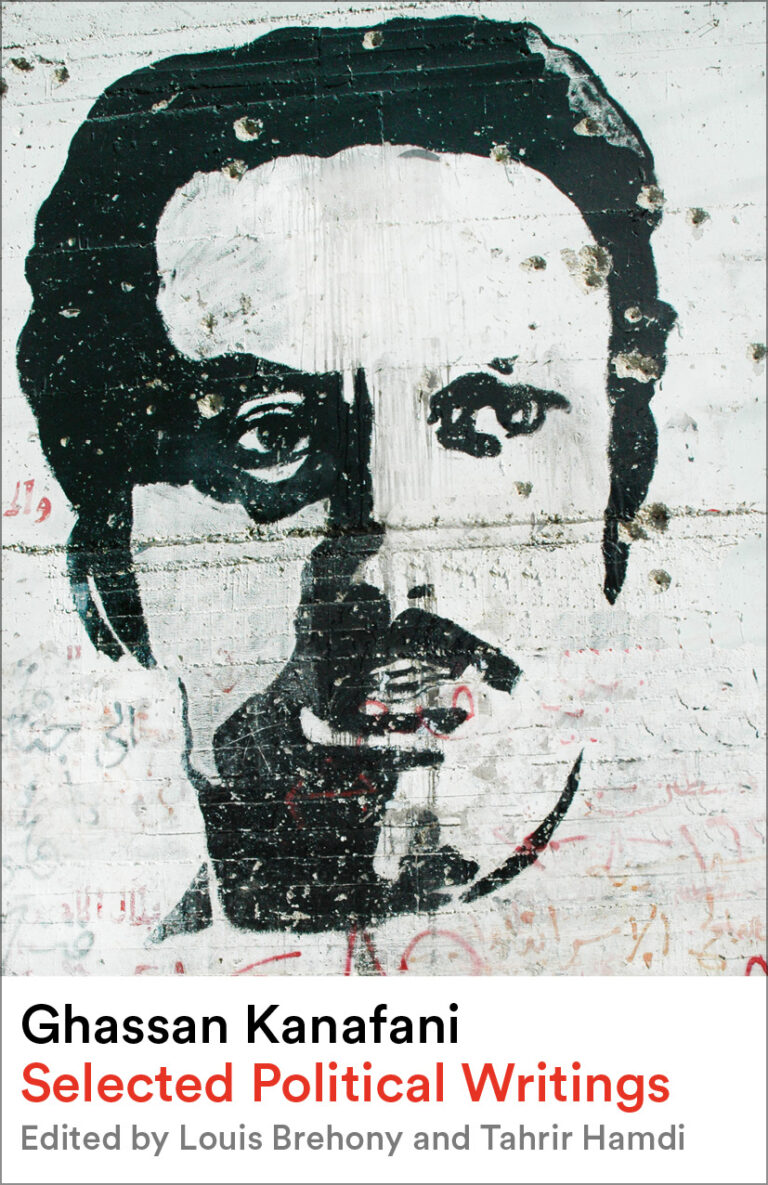
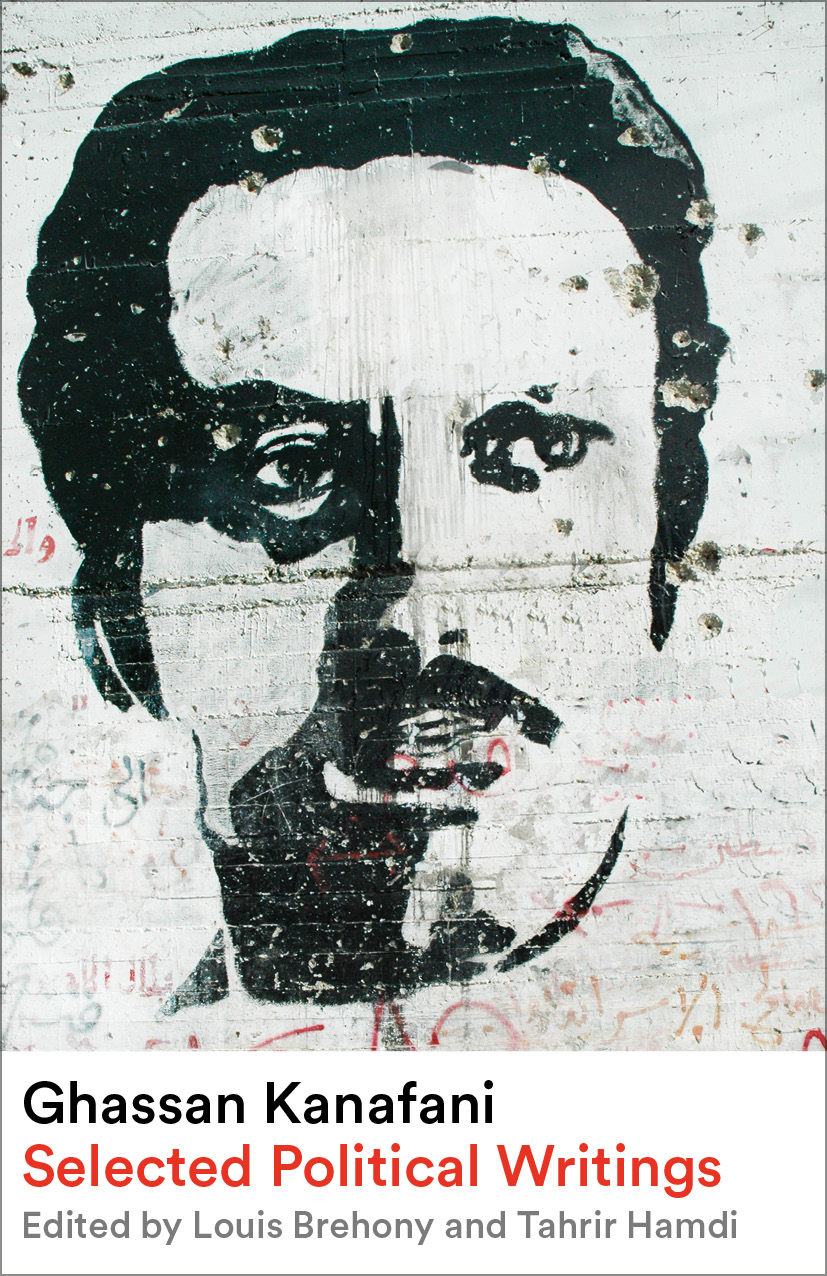
Upon his death, or more exactly, his murder by the Mossad, which killed him in Beirut in 1972, Ghassan Kanafani was described by the Lebanese Star as «a commando who never fired a gun». He was only 36. But he was already the most famous and radical Palestinian intellectual: his weapon was the pen. A refugee from the 1948 Nakbah, he was chief editor of al-Hadaf, the PFLP’s newspaper. The Marxist left. He often spoke of the children he taught for UNRWA in Damascus, dismissed as lagging pupils because they could not draw an apple, but because, he said, they had never seen one. Ask them to draw a refugee camp: and they will draw perfectly. Like those who failed because they were absent-minded and idle: but because, he said, they work at night. We must get to the root cause of the problems, he said. And the root cause is always political.
For the refugee camp story, he got scolded.
Accused of not following the programs.
But you either abide by the programs or by the children.
Either you follow the rules or reality.
After so many years, his writings are finally available in English. And it seems like they are being written today. And not just because the Middle East is still the same. Still mired in the same crises. At the time of Ghassan Kanafani, there was no Hamas, there were no settlers, and the Occupation was not as institutionalised, as structured as now, but already there were no possible talks with Israel, and already the media were completely unbalanced, with this idea of a war, as if the two sides were equal, as if they were an army confronting another army: and the Palestinians were already cornered. Never truly supported by the Arabs, or by anyone. Ghassan Kanafani was not a pacifist. He supported armed struggle, like the rest of the Popular Front. «If it were effective, we would fight throwing roses. But that’s not the case. Armed struggle does not derive from what you are, but from the context in which you live», he said. He called for liberation, not for negotiation. But he was well aware of the limits of such a choice. The plane hijackings were a bit like the October 7th attack: they hit the headlines, they had global reach, but then, on the ground, their only effect was turning the Arabs against the Palestinians, with the 1970 Black September, and the eviction from Jordan. And yet, he said, there was no other option. No one was under any illusion; the objective was not military victory, but to exploit Israel’s internal contradictions.
Because he never accepted Israel.
He always viewed it as kind of a fiction. He contested the idea that Jews from everywhere had now become a nation.
That they were Israelis, and not just Jews.
That they had an authentic connection with their country. As the Palestinians.
He believed that sooner or later, Israel would fall apart.
But as Lenin used to say, no revolutionary movement exists without a revolutionary theory. So, in his Strategy for Palestine, Ghassan Kanafani starts with an analysis of who the true enemies and friends are. Otherwise, he says, we won’t achieve anything. Because the enemies, he says, are not only Israel, Zionism, and imperialism, of which, according to the Popular Front, Israel is a tool, with the West interested in the oil of the Middle East; the enemies are also the reactionary Arab regimes which are part and parcel of imperialism. Capitalist regimes, characterised by an extreme wealth concentration. Capitalist and feudal. Closed to the new generations, and to change. Closed to democracy. Which is not, he says, simply elections and parliaments. If then those parliaments have no power. If, then, there is no freedom around. No society. Just as, he warns, not all Palestinians are friends. Because not everyone went through the Nakba in the same way, and so, not everyone is a revolutionary. The struggle for national liberation, he says, remains a class struggle.
And here, he seems to be referring to the many who profited from the Oslo Process.
From the billions of dollars of the international community.
The many who worked only for themselves.
And now, they are waiting for the billions of dollars for the reconstruction of Gaza.
While Gaza starves.
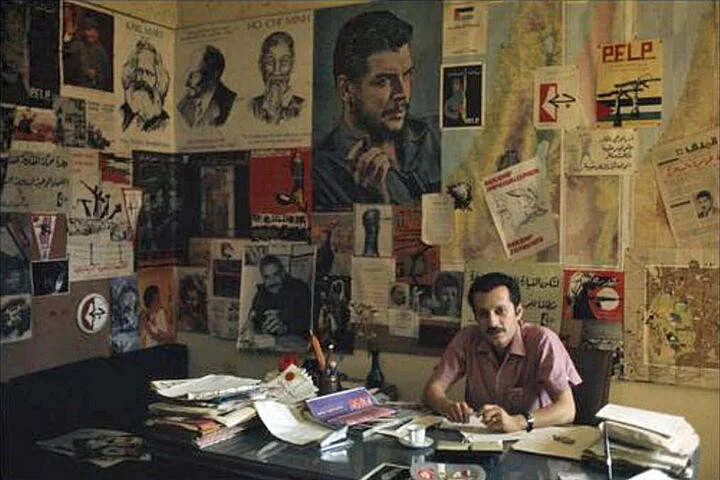
The pages on armed struggle explain much of what today is Hamas’s vision, because in the end, it is the same as the Popular Front’s. But these pages about friends and foes, no. Ghassan Kanafani has always criticised the conversion of the Palestine question into a religious or ethnic question. If he were alive, he would be a target of Hamas as much as of the Mossad. For Ghassan Kanafani, Palestine is much more than itself. It touches transversal issues. It has universal significance.
It is not an Israeli-Palestinian conflict. It is not an Arab-Israeli conflict.
Palestine is a compass.
Against a system of domination that goes far beyond its borders.
And these are the pages for those who still mistake Hamas for a revolutionary movement.