“ I also want to show the impact of the past. I want to show what genocide is. At the time of the interviews, Norway did not have a law against genocide. A genocide means to kill especially young women and children. The aim is to destroy an entire generation. That’s what happened in Rwanda. But Norway did not recognise what happened in Rwanda as a genocide. So many people responsible for the genocide took refuge in Norway and Europe in general. The laws were changed in 2008 but some of the responsible Hutus still live a protected life here in Norway because the new law is not legislated retrospectively”.
– How did your sources react when you asked them to retell the genocide accounts?
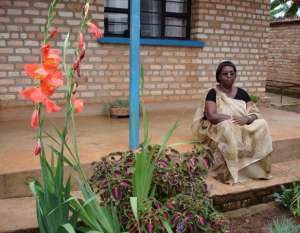
– I think a scene in the film illustrates this well. At one point my translator says she does not want to translate what the source is saying. But the source insists. She wants the brutal story to be told. They want the world to know. at the open-air courts they talk things through
– What is your impression of everyday life in Rwanda today – do Hutu and Tutsi manage to live side by side or is there still a distrust and a fear that tension can lead to horrible events once again?
– I think it’s the first time in world history that a group of people who were the target for a genocide now rebuild in the same place the genocide took place. They try to work it out in their own country. Unlike, for instance, the Jews, who were given a new land. I think the open-air courts which you see in the film play a vital part in reconstructing the country and the trust between Hutu and Tutsi. At the open-air courts, they talk things through. It is not just about guilty or not guilty. It is about details, about recollections.
– Currently I am doing a new film which will be about Rwanda[n] life today and how they manage to live side by side despite their past. It’s about street children, young girls who survived the genocide by going to Congo. Now they are coming back to Rwanda. They are the generation who will create a new Rwanda.