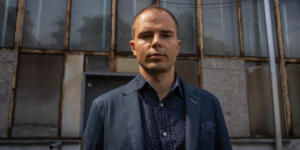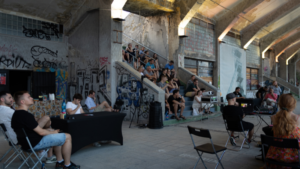

DokuFest International Documentary and Short Film Festival is the largest film festival in Kosovo bringing more than 200 hand-picked films from around the world to the cinemas and improvised screening venues around Prizren’s historic city center. With its 18th edition occurring 02-10 August, 2019, Modern Times Review spoke with the festival’s Artistic Director, Veton Nurkollari.
How did you get the idea to start a documentary film festival in Kosovo?
To be honest, we never really had a visionary idea of establishing a film festival that would become such an important cultural event in this country. The only remaining cinema in the city of Prizren was closed at the time, and we thought that if we start something involving films, the cinema might start working again.
In 2016 the theme of the festival was «corruption». In your opinion, do documentaries have the potential to create social and/or political change?
I believe they do, albeit not as much as I would like them to. But they can certainly bring awareness and create change. Films dealing with climate change issues or migration have proven this lately, I think. The theme «corruption» did cause some reaction from the country’s political establishment, but nothing serious – we may have lost one or two sponsors, but we also gained respect, I’d say.
Today many things have changed for the better, and I believe Dokufest to have played a vital role here.
What does Dokufest mean for a small country like Kosovo?
It means a lot, as it is a window for many people here who are devoid of traveling and seeing the world, due to visa restrictions for Kosovans. Just to remind your readers, Kosovo is the only country in all of Europe whose citizens need a visa to travel to nearly any country of that same Europe.
Dokufest also organizes masterclasses and tech talks. Does this reflect an educational purpose?
It does, of course. In past years we have established a number of film clubs in high schools all over the country that actively use documentary film in classrooms as an extracurricular activity. We’ve also initiated the first traveling solar cinema in Kosovo, showing socially engaged films, mostly in rural parts of the country. We also have plans for building a small documentary film institute in Prizren.

Have the conditions or raison d’etre for documentaries changed since the first edition of Dokufest?
Definitely. The first edition saw around 300 people at the screenings, whereas in the last couple of years we’ve had more than 15 000 visitors. Back then there were no documentaries shown on television and Kosovo had no film fund. Today many things have changed for the better, and I believe Dokufest to have played a vital role here.
Read all Modern Times Review coverage of documentaries featured at DokuFest 18 HERE