AO: Is the quality of the films what you had hoped for?

DE: Absolutely and more so. They are definitely of a different quality than the films that have come out of the region before. We are very pleased that most of them have reached this level. It shows the passion of the filmmakers, their willingness to really work on the films. Quite a lot of the films were made by first-time directors, 25-30%, which is part of the process. Partly because they are young people and because HIV affects their age group more than any other age group, they are the ones who know what their peers are facing. I think for them it was a good experience because it gave them actual production experience with an international outlook.
Between the filmmakers it’s very much a feeling of a community. Not that it excludes anybody, but it’s a feeling of ‘Look! We’ve done something together’. Everybody really enjoyed it. Even though every filmmaker said, ‘It’s probably the most difficult film I’ve ever made,’ I think it’s because the subject matter is very emotional, so it’s very difficult. But also because they were encouraged to go as far as they could creatively and given all the support they could in order to do that.
We had over 200 proposals and we preselected 50, from which we were supposed to pick 25. But there were so many good stories that we ended up choosing 40. On the way a couple of them fell out for different reasons.
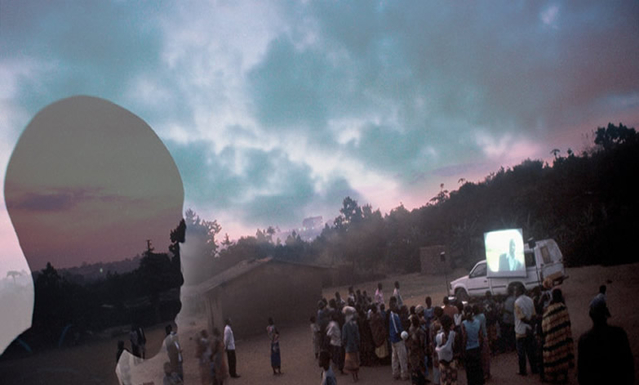
These films are made to raise a discussion, and we need to get out to the communities with the films. A lot of people are overloaded with information, and the young people don’t want to hear about HIV. But if we can engage them in a story, get their interest, and if they start to ask questions, that’s what we need to achieve: that people themselves are looking for information. Around the first week of December, sixteen of the films were screened by fifteen broadcasters in thirteen countries. This is far more than we had originally estimated. A further seven broadcasters have so far bought the films for screening next year.

AO: Did the collaboration between the tutors from different countries and the African filmmakers go well?
DE: It went extremely well, and I think this was a crucial part of the process. A lot of people came with fresh eyes as well as a lot of experience behind them. To have them look at a film from another perspective, in other words to look at the story rather than the information, was very beneficial to the films. And when the story is about a mother and a child, it’s universal. The collaboration was then how to construct a film that would make it accessible outside the region as well as inside the region.