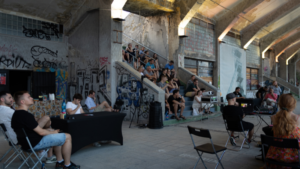
Established in 1989, the Trieste Film Festival has evolved into Italy’s premier showcase for Central and Eastern European cinema. Held annually in mid-January, the festival presents a diverse selection of feature films, documentaries, and short films, offering audiences a comprehensive view of the region’s cinematic landscape.
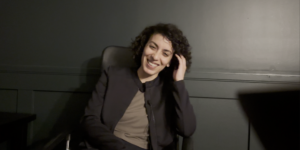
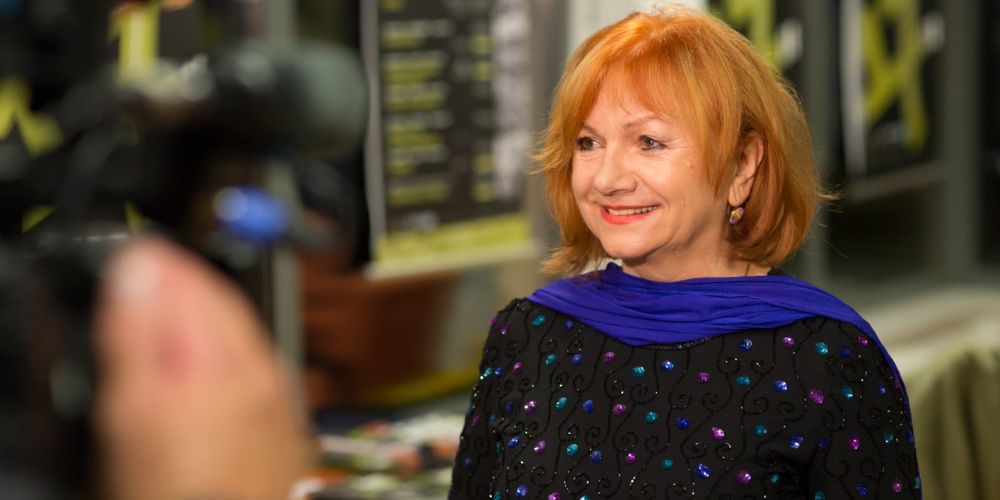
The 36th edition, scheduled from 16 to 24 January 2025, will feature over 130 films. Beyond screenings, the festival fosters dialogue through workshops, exhibitions, and masterclasses. In this interview, #Rada Šešić#, the festival’s documentary competition programmer, delves into the unique cultural and historical significance of Trieste as a festival location, her approach to curating the documentary program, and the evolving dynamics of regional cinema.
Trieste is uniquely positioned both geographically and historically.
How is Trieste conducive as a location for a film festival?
Trieste is uniquely positioned both geographically and historically. It holds tremendous significance for neighbouring countries, particularly in the former Yugoslavia. As someone from the region, I see its importance through both historical and cultural lenses. After WWII, Trieste became a vital connection point for #Yugoslavia. It was a major shopping hub for Yugoslavs during Tito’s era, especially the Pontaroso market. When Yugoslavia dissolved, this market suffered, underscoring the city’s deep economic ties with the region.
Today, Trieste still resonates with its #Balkan neighbours. Shopkeepers commonly speak Croatian, Serbian, or Slovenian—either because of their heritage or as a professional necessity. This cultural and linguistic overlap reinforces Trieste’s role as a Western and Eastern European meeting point.
The festival reflects this dynamic. It highlights Central and Eastern European films, fostering dialogue between filmmakers and an audience eager to engage with the region’s stories. Directors are invited to present their films and participate in discussions, which are often facilitated by interpreters for non-Italian speakers. The audience, primarily Italian, demonstrates a deep curiosity and understanding of the region’s complexities. They ask insightful questions, sometimes exploring themes beyond what the film presents. For example, I recall a Moldovan film by Otilia Barbara Love is not an Orange that sparked intense discussion, as did a Slovenian film Cent’anni by Maya Prelog last year.
How did you step into this role, and have you influenced the way the documentary program is curated?
Stepping into this role was an honour. My connection with the festival began over 11 years ago through Last Stop Trieste. This long-term engagement gave me a deep understanding of the festival’s ethos and its focus on supporting filmmakers from the Baltic to the Balkans. When I was invited to co-program the documentary competition, it felt like a natural progression of my work.
My approach builds on the connections and research I’ve developed over the years. I focus on understanding the urgent topics and cinematic trends across the region. This involves closely following filmmakers, their works-in-progress, and the evolving socio-political context.
One of my goals has been to ensure that the films we select fit the festival profile and represent high-quality cinema. Creativity is enormous, and we are trying to put singular voices dealing with relevant topics under the limelight. Last Stop Trieste helps filmmakers refine their projects based on industry feedback, ensuring they are both locally authentic and internationally accessible. This continuity allows me to witness a project’s evolution, from initial pitches at industry platforms to its finished form in the competition lineup.
we are trying to put singular voices dealing with relevant topics under the limelight.
Beyond geography and timely issues, what characteristics do you look for in a documentary?
Our selection process prioritises both the content and the style of a documentary. It’s about the subject matter and how the filmmaker approaches it. We’re deeply committed to supporting creative, auteur-driven documentaries—films where the director’s voice is clearly present.
This year’s program, for instance, includes films that experiment with form. Two are entirely wordless, relying on visuals and sound design to convey their messages. We also have two archival films, but their directors approach the material in distinct, innovative ways.
Our diverse backgrounds enrich our discussions as a programming team. Each member brings a unique perspective, allowing us to evaluate films from multiple angles. This collaborative process ensures that we’re not just selecting strong films but also curating a program that represents a range of cinematic expressions.
This collaborative process ensures that we’re not just selecting strong films but also curating a program that represents a range of cinematic expressions.
How do you manage country representation in the lineup?
While we aim for geographic balance, it’s not a primary criterion during the initial selection process. Our focus is on identifying strong, compelling films. However, by the final stages, we consider country representation to avoid over-representing any single nation.
For example, this year, we have two films from Latvia and three Polish productions, one of which addresses a Ukrainian topic with a Ukrainian director. These selections reflect the strength of submissions rather than a deliberate attempt to balance countries. Interestingly, gender representation also emerged naturally, with half the films directed by women.
Are you involved in curating out-of-competition screenings?
Not directly. However, films discussed for competition may occasionally be included in out-of-competition sections. For instance, a Georgian film this year originated from these discussions and found a place in the program.
As programmers, we aim to challenge stereotypes and present fresh perspectives.
What is the dynamic between programmers of different sections?
Collaboration is integral. If I come across a notable fiction film, I share it with the fiction competition programmer. Similarly, we consider thematic connections across sections, amplifying certain ideas or stories through complementary films.
With Last Stop Trieste, Are there thematic trends Western decision-makers seek from Central and Eastern European filmmakers?
Industry professionals often gravitate towards topics tied to current events, anniversaries, or significant socio-political issues. Broadcasters and sales agents, for instance, might anticipate themes aligned with upcoming programming needs.
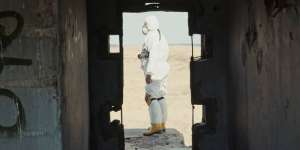
As programmers, we aim to challenge stereotypes and present fresh perspectives. One standout example this year is a Ukrainian film that explores the environmental impact of war without featuring humans.
What are some key films from Last Stop Trieste from recent years?
In recent years, the documentary program has showcased an impressive array of films that highlight the richness and diversity of Central and Eastern European cinema. Notable works include Blueberry Dreams by Elene Mikaberidze, an intimate portrayal of an Eastern European family. Last year, it was awarded for its tender and respectful depiction of familial relationships. Another is a Romanian film, Alice On and Off, which examines youth economic struggles through a deeply personal lens. Other highlights include December by Grzegorz Paprzycki, a striking Polish film, and Exemplary Behaviour by Audrius Mickevius and Nerijus Milerius, which delves into the paradoxical lives of murderers serving life sentences in Vilnius. Audience favourites like Smiling Georgia by Luka Beradze and the politically bold Never Whistle Alone by Marco Ferrari have also left lasting impressions. Poetic and socially relevant films such as The Wind by Michal Bielawski and the globally celebrated In Praise of Nothing by Serbian director Boris Mitic stand out alongside deeply personal works like Holy Father by Andrei Dascalescu and Too Close by Botond Pusok. Winners like Bottlemen by Nemanja Vojinovic, A Picture to Remember by Olga Chernykh, and A Day, 365 Hours by Eylem Kaftan further underscore the program’s dedication to powerful storytelling. I just heard recently from the director that the film, which deals with domestic violence, played a huge role for many women throughout Turkey and helped empower many victims.
How do you ensure distinctiveness when programming for different festivals?
Each festival has its own identity, profile, and goal. For instance, the Eastern Neighbors Festival in the Netherlands, which I started with two friends and headed as artistic director from 2008-2023, catered to Dutch audiences, focusing on diaspora communities and cultural connections. The Trieste festival, by contrast, engages a local audience with a strong interest in Central and Eastern Europe. Its emphasis on student engagement and cross-cultural dialogue sets it apart. Through talks in cinema and our morning reflections on films and masterclasses attended by hundreds of young audiences, we notice that the young generation that comes to Trieste festival is strong, shows interest in sharing original perspectives and creative ideas, and courageously debates on social and political topics in the region and the world.