What is the focus of this year’s edition of DOK Leipzig? Do you have a theme for the films selected in the festival?
The theme of this year is Nach der Angst (Post-Angst), and we selected films looking into how life is in the US now that Trump is in power, and what it means to be an artist under his regime; we also have films about the right wing movement in Germany, and films looking at the broader context, like the young generation in different countries – what the situation is and what are the chances for them to have better future.
 Why this theme?
The theme is inspired by the idea that we are living a dark period, politically, especially now, after the election in Germany, where a right wing nationalistic party achieved a historic result. Our intention is to look back to understand why we ended up in this situation, and also to understand how we can move towards a society that we can all be content and proud of.
What does the term movies that matter mean to you?
I don’t expect films to change the entire world, but I expect them to change something in us, and for me, every documentary that we select matters. Some films cover big topics, raising awareness, others are more personal, but they all move something inside you, and make you think or feel something different.
What is the standing of documentary films now, compared to ten years ago, and also regarding your festival?
We receive more submissions than before (3000 this year compared to 2000 in 2003), and I see a lot of really brave films when it comes to pushing boundaries, using elements that were not common 10–15 years ago, like animation and fictional parts. These new elements can push a story to a new level. In the past we were scared of films that were stepping out of the usual format; we are now at the point when these new elements are better understood and celebrated.
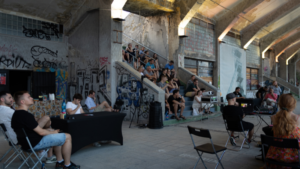
What changed as well is that people want to experience a film as a social event, and they want to discuss what they see. I noticed that in the vivid Q&As we have, the audience is now much more involved.
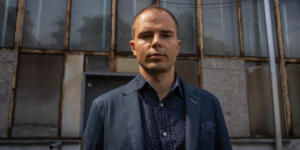
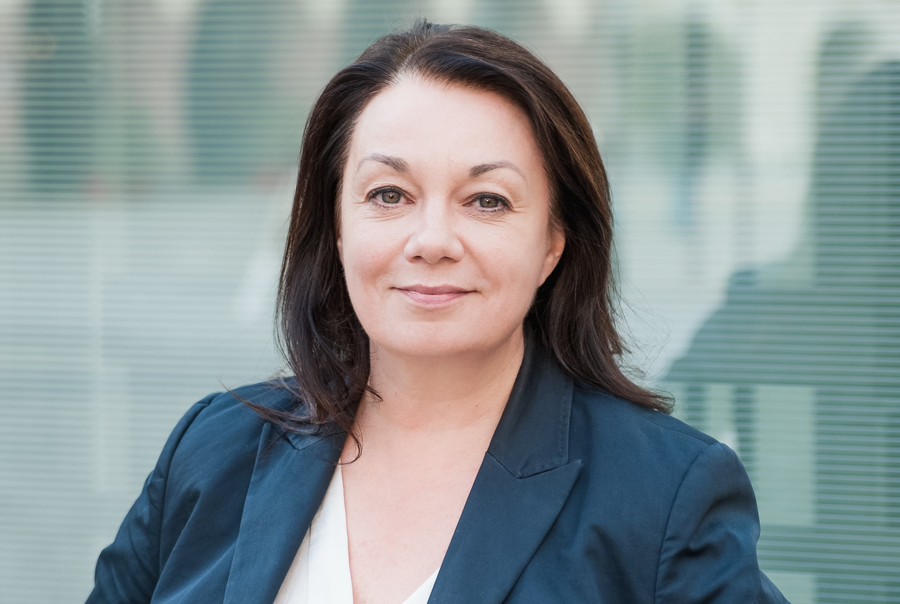
Pasanen is Managing and Artistic Director at DOK Leipzig.