The festival flags resembled the Czech flag except for one detail: the original blue triangle had been replaced by a funnel indicating that films can be ’poured’ into your thoughts. But this new symbol was not well received. As a result the flags were taken down to the chagrin of the young festival director. ANETTE OLSEN spoke with him.
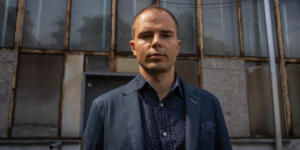
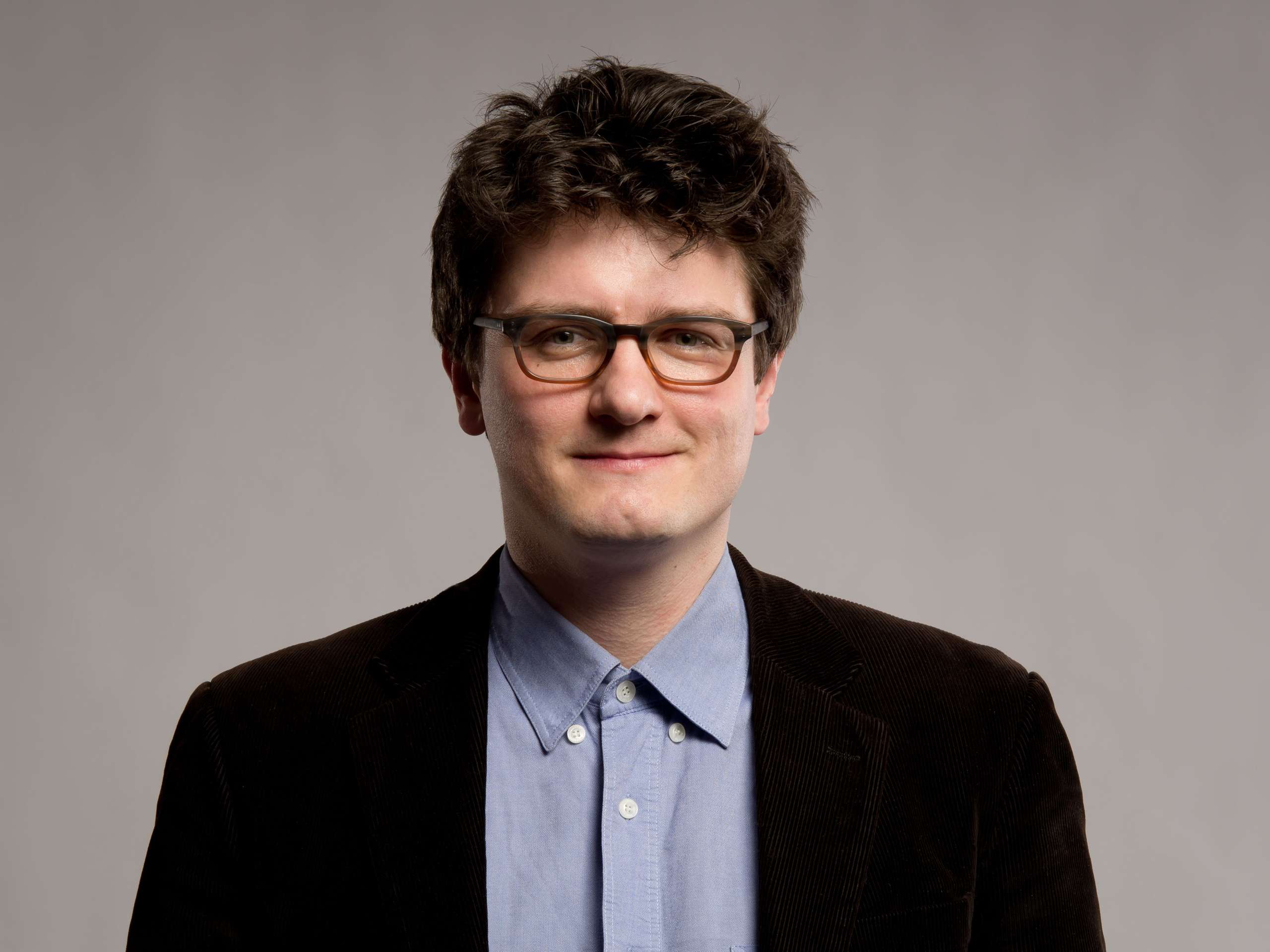
Marek Hovorka must be the youngest film festival director in Europe. Though only 22 years old, he has already headed the Jihlava documentary festival for five years. The flag episode did not please him.
MH: It’s a strange story. We never imagined that anything like this could happen. Maybe we would have prepared the people of the town of Jihlava that we should have flags, because I think it’s important to show that a festival is going on. And I’m sad that the town decided to take the flags down. I hope that next year we will have the flags!
AO: When did you get the idea to start a documentary festival?
MH: In July 1997, a group of secondary grammar school students here in Jihlava organized discussions with people, because we wanted to do something. When I had to decide which education to pursue, I decided to study documentary films at the Film Academy. But the problem was that I had no opportunity to see Czech documentaries, so we decided to make a small festival of Czech films from the last thirty years. A lot of young people came, there was a wonderful atmosphere. In the beginning we had screenings in only one cinema, but starting last year, we use two cinemas for screenings.
AO: The festival programme features mainly documentaries, but there are also shorts and experimental films. How do you want to develop the festival profile in the future? Should it consist only of documentaries or a mix of documentaries and experimental films?
MH: I think it’s important to stick to only one genre, because here in the Czech Republic, there are a lot of festivals on various themes, like human rights, ecology, etc. This can be interesting, but it is also a problem.
We’d like to screen films about everything and on every theme, and we’d like to work with narrative, animation and experimental films. It is very difficult to define the border between the genres, but I think it’s important to see films that border on the documentary genre and not only experimental docs or classic docs. It’s also important that the festival serves to bring together students, filmmakers and professionals. We show about one hundred films, and many locals also come to the festival.
AO: Will you try to attract an international audience, TV professionals from abroad, etc.?
MH: Yes, I think it is important. We’d like to open the festival to film students from abroad and also try to attract television professionals. The festival is also unusual for Czech audiences because they have never had an opportunity to see the films of filmmakers like Agnes Varda or Pier Pasolini. It’s a source of inspiration; they haven’t been able to see these films for thirty years, so it’s important to find these films and show them to Czech audiences. It’s an opportunity for people to see them.
AO: How is the festival financed?
MH: Our festival is financed by state institutions, state funds for Czech Cinematography, by the Czech Ministry of Culture, by the town of Jihlava and by the Open Society Foundation. Audiovisual Eureka came in with funding for the pitching forum that took place for the first time this year.
AO: The festival claims to be international, but some of the films did not have English subtitles.
MH: Subtitling is a problem. It’s hard for us to finance subtitling of Czech films made by Czech TV.
In connection with the festival, a pitching workshop, ‘Topic Fair’, was held for the first time. The workshop was organized in collaboration with the EDN and received funding from Audiovisual Eureka. The two energetic organizers; Andrea Prenghyova and Filip Remunda, had gathered around twenty participants from the Czech Republic and other countries in the region, as well as five commissioning editors from European channels.
International Documentary Film Festival Jihlava, Czech Republic 2001 Awards
Best Czech Documentary 2001 and the Audience Award
Hry Prachu (Dust Games), by Martin Marecek
The Award for the Contribution to the World of Cinematography went to Jay Rosenblatt – an experimental film director from the US.