communist
-

Third World
MUSIC: The liminal experience of legendary Croatian band Haustor – which shaped the former Yugoslavia new wave music scene in the 1980s – is explored in Arsen Oremović's Third World.
-
-
-

The privilege of the self-portrait
MEXICO: The intersection of migration and personal identity with Night of the Coyotes and Frida: A Self-Portrait.
-
Krakow Film Festival spotlights Romanian documentary with 64th edition focus
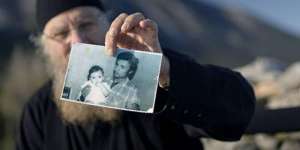
Romanian cinema, long celebrated on the international stage, has found a new expression in documentary filmmaking that is garnering equal acclaim. At the forefront are directors such as #Radu Jude#, #Cristian Mungiu#, and #Cristi Puiu#, whose narratives have traditionally woven the complexities of Romania’s social and historical fabric. This spring, the 64th Krakow Film Festival‘s…
-

Sunlight on pause in Kharkiv’s underground
UKRAINE: The courage and community of Kharkiv's metro dwellers amidst ongoing attacks.
-

Changing the world through documentary
MEDIA: Cultural anthropologist Sherry B. Ortner provides an easy-read introduction to the logic and visions behind Brave New Films, whose documentary production is non-profit and distributed through social and political networks with the articulated goal of mobilising resistance against capitalism, racism, and fascism.
-
Are we being fooled by IKEA’s promise of a greener future?
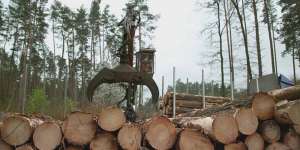
CAPITALISM: Ikea, consuming a tree per second, acquires vast lands globally, endangering ecosystems and becoming the forest's most formidable foe.
-
Being in the opposing position
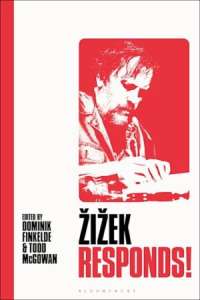
ŽIŽEK: Despite being a public intellectual for at least 30 years, there has been no previous discussion of Slavoj Žižek's thought as multifaceted and nuanced as the one we see in the current anthology. But does Žižek recognise the revolutionary potential of desire?