FIPADOC International Documentary Festival meets across 6 days each year in Biarritz, where industry and audiences convene over exceptional non-fiction work.
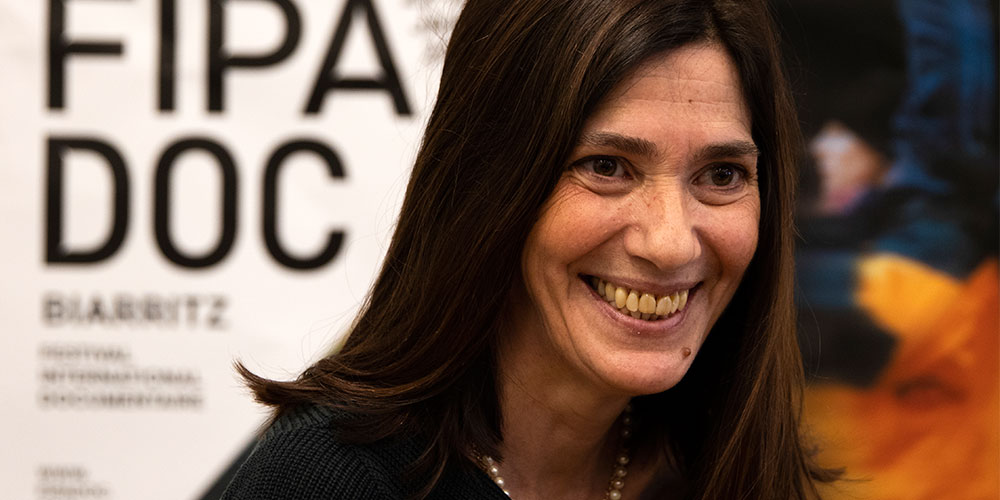
With its 2020 edition occurring 21-26 January 2020, Modern Times Review spoke with the festival’s Executive Director, #Christine Camdessus#.
This year FIPADOC presents a strong selection of documentary films focused on women in positions of power. Why this theme?
This theme revealed itself organically. When you make a selection, you don’t know from the very beginning what the final selection will look like. In a way, it is like being in the flower shop, you pick the nicest flowers, but in the end you have to make a bouquet and you choose the flowers that go together. And what we discovered was that we had so many good films focused on a leading female character, and that was something surprising. We did find such films last year as well, but this year, the films we selected are especially powerful. FIPADOC is not a women’s film festival, we certainly don’t look only for films directed or dedicated to women, but in a time in which gender equality is an important issue, we decided to introduce this year’s selection around this theme.
And this year’s guest country is Sweden. Why Sweden?
Sweden has an amazing documentary production and a very high level of creativity. We also chose Sweden because they are very good in co-producing with other countries. Besides this, they certainly have a lot of important know-how. For example, Sweden has been facing competition for the platforms earlier than in other parts of Europe, and they had a very strong response to that. There is a lot to learn from the way they responded.
Are there some particular criterion or aspect you look for in the selection process?
We are always searching for the best – the best of what has been produced the previous year that is, and mainly films coming from Europe. We are only in the second edition but we had many more submissions than in the previous year, and we are very happy with that. And we aim to showcase the diversity of documentary as much as we can – whether focused on politics, culture, music, it doesn’t matter. We are open to any kind of documentary and in search of films that take you to a different mental space, make you think, laugh, cry and raise awareness.
Do you have a documentary that was seminal to your interest with the genre?
When We Were Kings (Leon Gast, 1996) and #One Day in September# (Kevin Mcdonald, 1999) are the first two that come to mind, and that is because they are like good books: they stay with you. And both make you look at the world in a different way.
What is to you a film that matters?
A film that matters is a film that opens your mind and heart to others. And a film that makes you a better person. It seems like a very moral approach to it but yes, I think a film that matters makes you a better person.