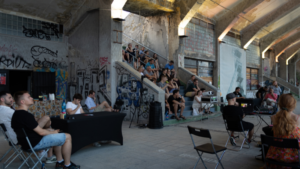
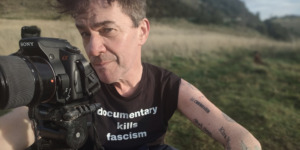
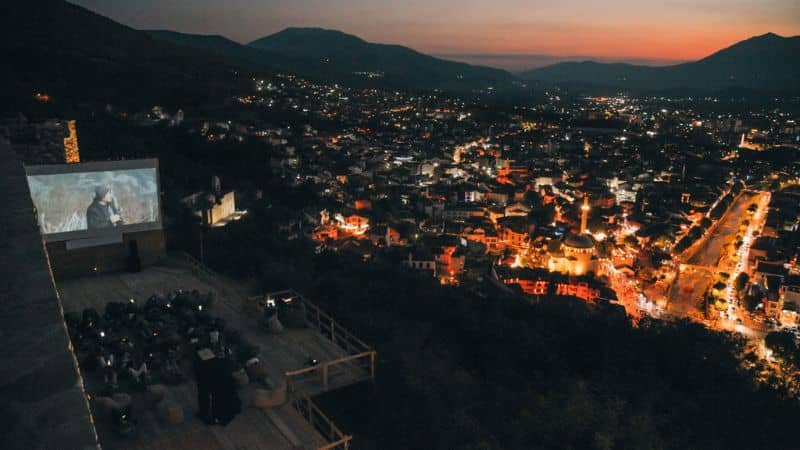
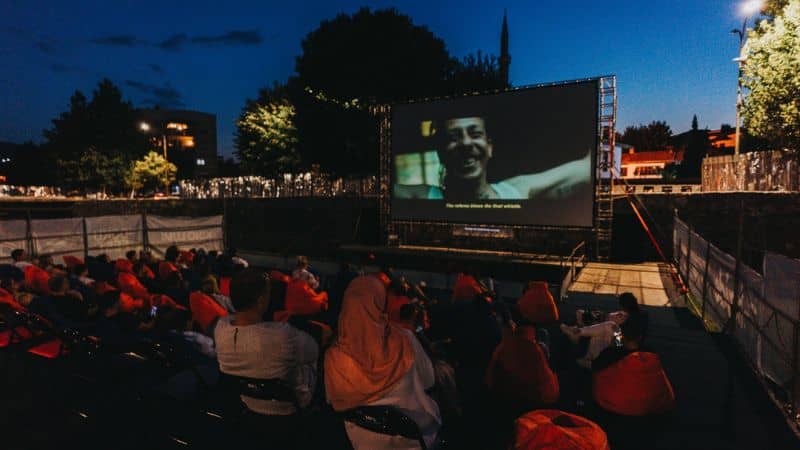
Founded in 2003 with the aim of revitalising culture cinema in Prizren, #DokuFest has grown and expanded into a leading film and music event in Southeast Europe. Each summer, DokuFest fills the cinemas and improvised screening venues around the historic city with a selection of more than 200 hand-picked films from around the world, as well as attracting numerous international and regional music acts that perform at #DokuNights — its music strand.
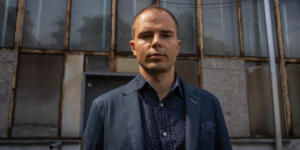
With the 2023 edition a mere few days away (4 – 12 August, 2023), Modern Times Review speaks with its Festival Director #Veton Nurkollari# about this year’s edition, its extra focus on Canadian documentary in partnership with #RIDM, the eclectic DokuNights programme, and much more.
What aspects of the festival in 2023 are you particularly looking forward to as a fan of non-fiction cinema?
There are many things that I am looking forward to, one of the most important being the sheer ability to share so many films with our audience and their reaction to them, an indispensable feeling and a reason why we do what we do. Also, welcoming so many filmmakers and film professionals to the festival is what I look forward to each and every year.
welcoming so many filmmakers and film professionals to the festival is what I look forward to each and every year.
The 2023 DokuFest will also focus on Canadian documentary, specifically from the province of Quebec. Why? What makes films from this region interesting to highlight in such a way?
#Canada was on our radar for some time thanks to the many high-quality films we’ve been receiving and showcasing in past years, both non-fiction and short fiction films. We’ve also visited Canada and, more specifically, the province of #Quebéc several times in the past two years screened a selection of short films from Kosovo at the Regards Short Film Festival, and attended and established closer contacts with RIDM so that this collaboration is materializing in the form of the focus on Canadian and more specifically Quebecois non-fiction offering.
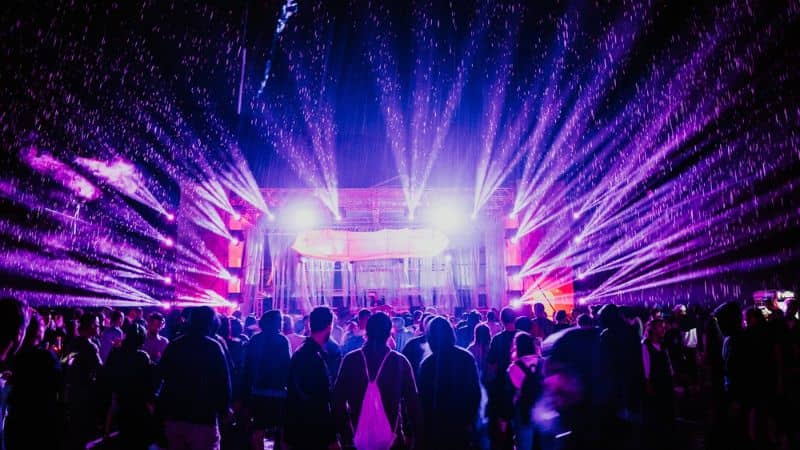 One of the aspects of DokuFest that, in my opinion, makes it unique is the inclusion of the DokuNights programme. Can you explain how DokuNights fits into the broader mission of the festival? And what is your approach to curating musical acts for a non-fiction film festival?
We’ve been exploring many aspects of the correlation between music and film, and coming up with the incarnation of DokuNights is the result of this exploration as much as it is of our love for music. Perhaps it is worth mentioning that we’ve toyed with the idea of starting the music festival in 2002, only to return to it later when we found how to incorporate DokuNights into DokuFest.
When it comes to curating musical acts for a festival like ours, more or less, it is down to a very personal approach of the curators and their ability to find and bring acts that in some way reflect the overall philosophy of the festival as a place of discovery and liberty. To paraphrase Leart Rama, who curated this year’s lineup of DokuNights: «This lineup is a manifestation of those sweetest spots from our daydreams, woven with the most beautiful sounds that transport us to places we have never been.»
DokuNights is the result of this exploration as much as it is of our love for music.
In 2023, DokuFest became a #Doc Alliance# guest festival. Can you explain what this means and how does a festival attain such recognition?
We’ve received an invitation to become a Doc Alliance guest festival with great enthusiasm, I need to say. And we believe that the programming quality at DokuFest was crucial in deciding to be invited as a guest festival. I also consider Doc Alliance to be one of the best examples in promoting and popularizing European non-fiction cinema, so to be in this company, even only as a guest festival is thrilling. We were also delighted that our suggestion to screen all the 16 nominated films and the Doc Alliance Award to be given at DokuFest was accepted by all the member festivals.
What is the curation approach to DokuFest in terms of the films selected? What makes a «DokuFest» film?
The overall approach to the curation and why we select what we select is based on several factors, I should say. I’d like to note here that we are very concerned with what is happening around us, such as climate change issues and human rights abuses, which very much affect part of our programming. The fact that being a predominantly documentary film festival allows us to be on the lookout for cinematic interpretations of these issues is also an important element in the curation; it’s not always an easy task to find an important film that is also made well. New non-fiction and short-form trends, such as the rise or bloom of experimental cinema in its many forms lately or our constant interest in Kosovo and Balkan cinema output, are other factors we look at when compiling the festival programme.
That said, we strive year after year to find and bring the best ones, whatever that means, and when placed together, it somehow constitutes our little mantra in curation, I’d say.
And finally, it is difficult for me to label certain films as «DokuFest» films or what makes one be called such, even though I hear a lot from others about that labelling.