Film Africa 2024 is set to make its return from 25 October to 3 November, perfectly timed with Black History Month. Hosted by the Royal African Society, this year’s festival promises a line-up of over 70 films from more than 20 countries. The opening gala features the acclaimed documentary Dahomey (2024), directed by Senegalese filmmaker Mati Diop.
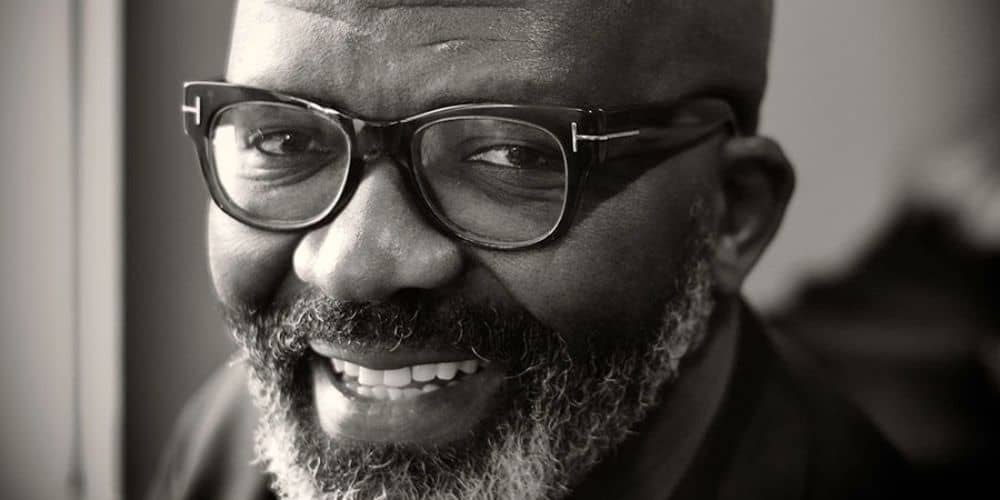
Throughout the festival, screenings will take place in London’s BFI Southbank, Ciné Lumière, and Rich Mix. In our conversation with #Keith Shiri#, Film Africa’s Lead Curator, we explore how this year’s selection embodies the evolving narratives of African cinema, addressing themes of identity, resilience, and innovation. Shiri offers his insight into the curatorial process and the festival’s role in amplifying the voices of African filmmakers on a global stage while tackling the persistent challenges of funding, distribution, and representation.

With over 70 films from various countries featured in the 2024 edition, could you share your selection process?
Curating a lineup of over 70 films for an event like Film Africa is both an exciting and daunting task. Our approach aims to capture the rich diversity of African cinema while showcasing exceptional storytelling that resonates on a global scale.
We begin with an open call for submissions to filmmakers across the continent and the diaspora via Film Freeway. This invites a wide range of entries, allowing us to discover both well-known directors and emerging voices. This year, we received around 300 entries via Film Freeway, but we also sourced another 100 titles to complement the open submissions.
We also take recommendations from international film programmers from other festivals, including Cannes, TIFF, Venice, and FESPACO, film critics, filmmakers, academics, and representatives from cultural institutions. For the shorts programme, we invited students from the National Film and Television School at Beaconsfield to help in the preselection process under the guidance of #Sandra Hebron#, the Head of Screen Arts at the school.
Our approach aims to capture the rich diversity of African cinema while showcasing exceptional storytelling that resonates on a global scale.
What criteria do you prioritise when curating such a diverse lineup?
We try to stick to the usual process of selecting films as for any festival:
Artistic Quality: We prioritise films that demonstrate high-level skills—direction, cinematography, sound design, and editing play crucial roles in our assessment. Strong artistry enhances the viewer’s experience and contributes significantly to the film’s impact.
Narrative and Themes: The stories told through these films are essential. We seek narratives that reflect unique cultural perspectives, explore contemporary issues, showcase personal experiences, or spark broader conversations about societal dynamics.
Representation and Diversity: Our lineup aims to represent a rich tapestry of African cultures, languages, and identities. We’re conscious of geographic #diversity, #gender representation, and the inclusion of varied themes, ensuring no voice is overlooked.
Innovation: We encourage innovative storytelling techniques and non-traditional narratives that challenge conventional formats or genres. Emerging filmmakers who bring fresh perspectives are particularly welcome.
Potential for Audience Engagement: Films that provoke thought, evoke strong emotions or foster community dialogue hold special significance. We consider how a film might resonate with both festival audiences and the broader cultural landscape.
Final Selection: After initial reviews and discussions, the Lead curator narrows down the films to create a balanced and cohesive programme. The final lineup reflects a commitment to representation, quality, and the potential for impactful storytelling.

How would you describe the current phase of African cinema? Do you see a shift in thematic concerns or stylistic approaches compared to previous decades?
African cinema today stands at a dynamic crossroads, characterised by increased visibility, growing recognition on global platforms, and an evolution in storytelling techniques. The last few decades have witnessed dramatic shifts in thematic concerns and stylistic approaches, influenced by various factors:
1. Broadening Perspectives: Earlier representations in African cinema often centred on colonial legacies, poverty, and political strife. While these themes remain relevant, contemporary filmmakers are exploring broader narratives, including personal stories, identity, #mental health#, cultural resilience, and #social justice# themes. There is a growing emphasis on multi-dimensional characters and human experiences.
2. Varied Genres and Styles: The stylistic approaches have diversified. Filmmakers are now experimenting with genres like science fiction, fantasy, and horror, which were less common in previous eras. Additionally, there’s a noticeable infusion of documentary styles, mixed-media approaches, and personal storytelling that reflects authentic lived experiences.
3. Youthful Voices and Technology: A new wave of young filmmakers armed with digital technology is reshaping African cinema. The accessibility of filming equipment and platforms for distribution has empowered creators to tell their stories, often bypassing traditional barriers. Films made by young directors are capturing the vibrancy of contemporary culture and societal issues that resonate with younger audiences.
4. Collaborative Projects and International Exposure: Collaborations between African and international filmmakers have increased, leading to a cross-pollination of ideas and styles. Film festivals, international co-productions, and digital platforms have provided African cinema with the visibility it deserves, showcasing its richness to audiences worldwide.
A new wave of young filmmakers armed with digital technology is reshaping African cinema.
Despite its growing global recognition, African cinema faces significant challenges in funding, distribution, and market access. From your vantage point, what structural or systemic obstacles remain for African filmmakers, and what role can festivals like Film Africa play in addressing these barriers?
It is true that despite the flourishing of African cinema, significant challenges remain that hinder its growth and visibility, including:
1. Funding Limitations: One of the most persistent obstacles is accessing funds for production and distribution. Many filmmakers struggle to obtain financial support, often relying on personal contributions or small grants. This lack of substantial investment can stifle creative ambition, limiting filmmakers to lower budgets that compromise quality.
2. Distribution Barriers: African films often face significant hurdles in securing distribution channels. The traditional theatre model within #Africa is underdeveloped, and access to international distribution networks remains challenging. Even with the rise of streaming platforms like #Netflix, content from Africa may struggle to find the same level of promotion and accessibility as films from other regions.
3. Market Access: Gaining traction in both local and international markets is complicated for African filmmakers. Cultural stereotypes and a lack of understanding of the films’ contexts can result in undervaluation or misrepresentation of African cinema, making it hard for African films to compete against more dominant global narratives.
4. Policy and Regulatory Challenges: Cultural policies and regulatory frameworks can pose additional difficulties for filmmakers.

Looking ahead, what are your hopes for the future of Film Africa?
As I look ahead to the future of Film Africa, the Festival of African Cinema, I am filled with optimism and ambition for what lies ahead. My hope revolves around several key areas that I believe will enhance the festival’s impact, foster the growth of African cinema, and engage audiences both locally and internationally. The most important is to strengthen its commitment to nurturing emerging filmmakers by establishing mentorship and training programmes. Film Africa will be hosting workshops at Film Africa, such as the Film Lab Africa (31 October) at the Rich Mix, where a panel showcasing emerging young talent from Lagos, #Nigeria, co-hosted by the British Arts Council, will provide young creators with essential skills, industry knowledge, and networking opportunities. The workshops will cover various aspects of filmmaking, including screenwriting, directing, cinematography, and producing, along with practical guidance on the business side of film.
Film Africa is proud to support emerging talent in African cinema through prestigious awards such as the Baobab Award for Best Short Film and the Audience Award for Best Feature Film. These honours aim to spotlight up-and-coming filmmakers and provide a platform to showcase their work to a global audience. Winners of each category will be awarded $2500 for each prize, sponsored by Rolling Stone Africa.
By supporting the next generation of filmmakers, we can ensure a vibrant future for African cinema filled with innovative voices and fresh stories that resonate with audiences.
Find more information and the complete programme – HERE