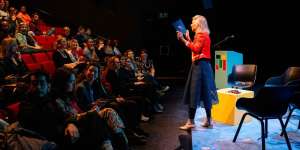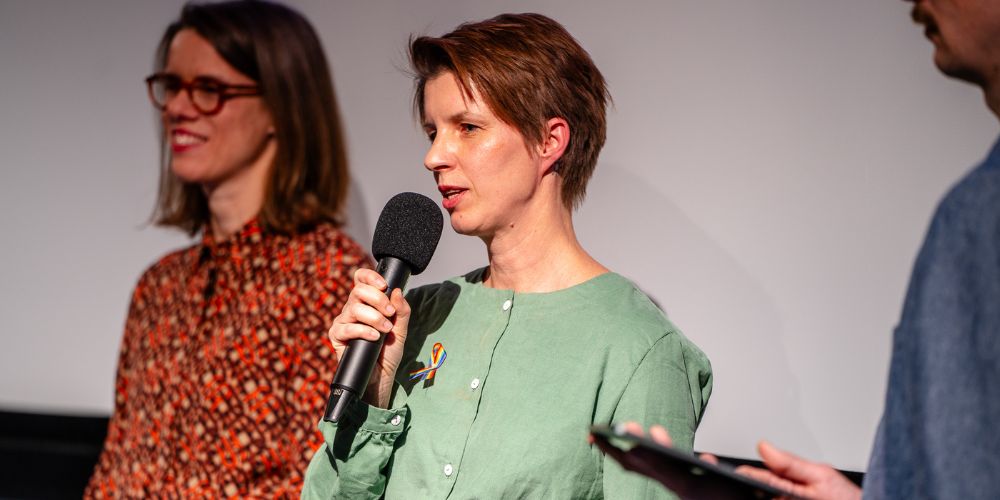
Slovakia’s cultural weather feels close and heavy, and One World Slovakia (21–26 October ) moves through it with steady intent. In a discussion with Modern Times Review, festival director Eva Križková uses an image that serves as both a plan for an event and a cultural project of the NGO People in Peril, which was established in 1999 and has long been active in education and humanitarian work. «One World festival is a hub for people, for journalists, for #human rights# activists, and for active communities,» keeping it practical. «They can brainstorm ways to create new politics, ways to resist oppressive systems and support each other, creating a common safe space.»
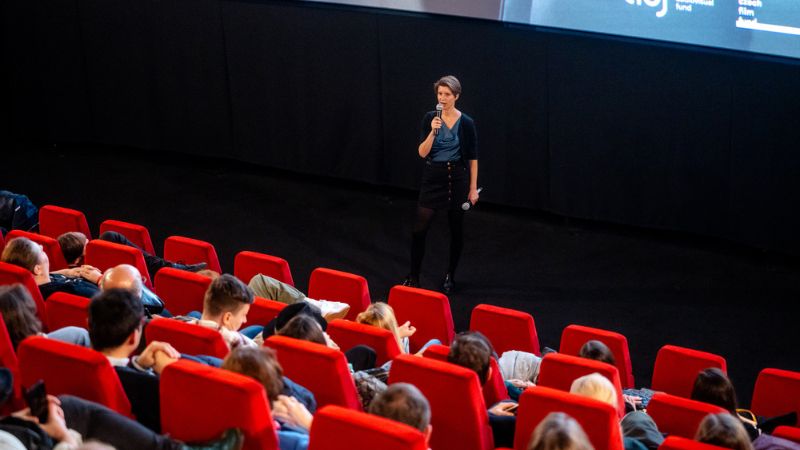
Making ideas concrete
Her route into the job explains why the festival feels so hands-on. «I’ve been studying film theory at the Film faculty here in Bratislava.» After graduation, she founded a film newspaper for young writers and ran it for a decade, then shifted from pages to screens with Filmtopia and brought the #KineDok project to Slovakia. When One World needed a new director, she stepped in and learned the NGO world on the move. «One World Film Festival was looking for a new director because the previous one was leaving after 18 years. They approached me and asked whether I would be interested.» But Križková arrived from film, not NGOs. «I really didn’t have a human rights background. It was all a very fascinating new world.» That mix now lets her sit comfortably with filmmakers and activists. «It’s a great position in Slovakia, to sit on these two chairs, between the activists and the filmmakers.»
The name links Slovakia to peers abroad in the Czech Republic and Romania, yet the practice is rooted at home. One World Slovakia controls its own programming and financing; the shared brand signals a human-rights orientation rather than a franchise template. Collaboration happens where it helps the work. Teams visit partners in Prague and The Hague, and Movies That Matter’s artistic director, Margje De Koning, serves on the Bratislava board. «We are really trying to create strategies throughout the year for how we can support each other.»
«They want us to starve, to get tired, to get exhausted, and to stop.»
The funding squeeze
At home, the pressure is immediate. «This was the first year that we haven’t received state funding from the Audiovisual Fund.» Although experts recommended support, a recent change strengthened the board, consisting of the majority of the Ministry of Culture´s nominees and weakened the tie to expert committees. «When they decide as a board that they don’t want to support the project, it doesn’t matter what the committee of experts recommended.» The same call bypassed the LGBTIQ+ festival INAKOSŤ. «It was an ideological decision not to support these projects.»
The explanations spoke of savings. Inside the sector, the math points elsewhere. «There is a rating that the expert committees give to the projects, and we were within the best part.» It was not the project with the better score that was supported. The board decided to save on the project with the ties to the LGBTI plus topics or wth other progressive elements in the programming. Similar drift shows up in development and production lines, where topics that unsettle the leadership are the ones that fall away. The damage does not stop at film. «They want to destroy the whole network of independent culture.» As Križková puts it, this strategy depends on exhaustion. «They want us to starve, to get tired, to get exhausted, and to stop.»
Where film meets the public
Against that tide, the festival needed allies, and the audience answered. «Many people supported us,» Križková says, and a crowdfunding campaign became a measure of public mood as much as a fundraiser. «This part of society is very unsatisfied with what is going on in the cultural sector and with the steps from the Ministry of Culture.» Even so, the team keeps its expectations realistic. «This kind of crowdfunding can probably work once.» Everyone is asking, and there are no «unlimited resources.» To steady the budget, they look to #Creative Europe# and to private partners. A major Slovak bank increased its support, and others raised theirs to close the gap. «We don’t know how it will look next year.»
That clarity is visible in the room. «We really want voices from within communities, and weaker communities, to speak out and to offer them a platform,» she says, while also planning inclusive screenings for people with sight and hearing impairments, foreigners, refugees, people without a home, parents with small children, and women who have suffered violence. «This accessibility element is very unique and very strong at our festival.”
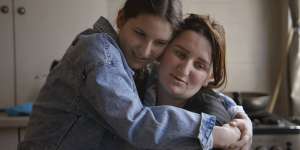
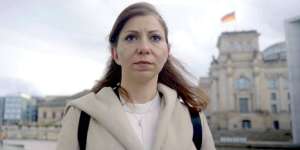
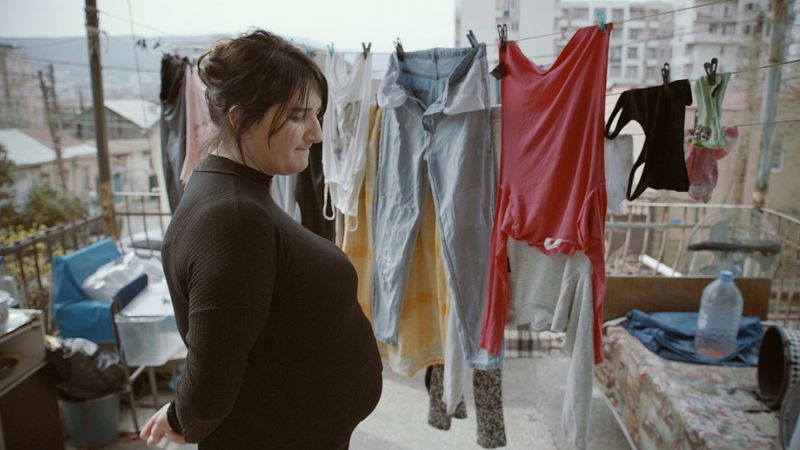
The festival’s editorial choices follow the same line. The European Glitch section, for example, gives a name to what many feel and ties it to lived detail. «I think the European glitch works on many levels.» This first edition traces the idea through three cases. A Georgian story around #surrogacy exposes a health and social apparatus that fails those who need it most. An Austrian filmmaker born in the country still has to fight for recognition inside institutions she grew up in. A German museum continues to hold human remains from #Namibia taken during colonial oppression, while activists press for return. «These three films show that there are many levels in how the ‘European glitch’ operates. We see this glitch as an opportunity that we can maybe come together and find new ways, better ways.»
The next question is how these films move from idea to audience in a tight exhibition landscape. «There are very few slots where they can program something else, like a documentary from Romania,» Križková explains of the country’s independent filmmaker struggles. «We don’t have too many arthouse cinemas in Slovakia; they compete for the audience, and they really need strong titles.» That leaves a narrow path for demanding work, which is why festivals become the place where attention still builds. «I think the market for really demanding arthouse viewers in Slovakia is very small.” Holding the door a little longer is how these films meet their public.
«It’s a very important place and a very visible place, also thanks to the media,» Križková says about the position of documentary festivals in the context of the current international community. «Documentary film festivals, with the support of international media can help to resist oppressive political systems and defend democratic values.» The festival responds by keeping this public space visible and alive — by inviting everyone to step into it, to speak, and to listen.