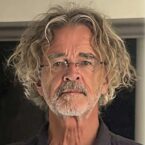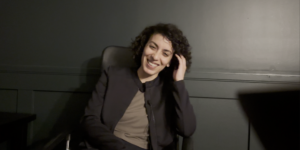
Times are changing in a bad direction, explains Leena Pasanen, the incumbent DOK Leipzig festival director, to ModernTimes.online. She is not referring to the festival, but the current political and cultural climate.
What Pasanen means, is the way our times are headed in a populist direction, with, sadly, increased polarization and confrontation – instead of dignity and tolerance. Therefore, she encourages the filmmakers participating in this year’s festival to make disobedience into a positive – a virtue. In her festival catalogue prologue, she calls for people to celebrate disobedience in all its forms – both for brave artists to break rules and for civilians to challenge norms. Why? Because, according to Pasanen, to prevent situations from going from bad to worse – and to create a better future.
Lest we forget which city we are in, she reminds us. Leipzig boasts long traditions for protest and civil engagement. Likewise, Pasanen herself has a long record of working for movies that matter in the documentary community. Some years ago, I remember joining her week-long story-developing workshop in Budapest. She has also past experience as commissioning editor; she was the director of the European Documentary Network, and was last year appointed head of DOK Leipzig.

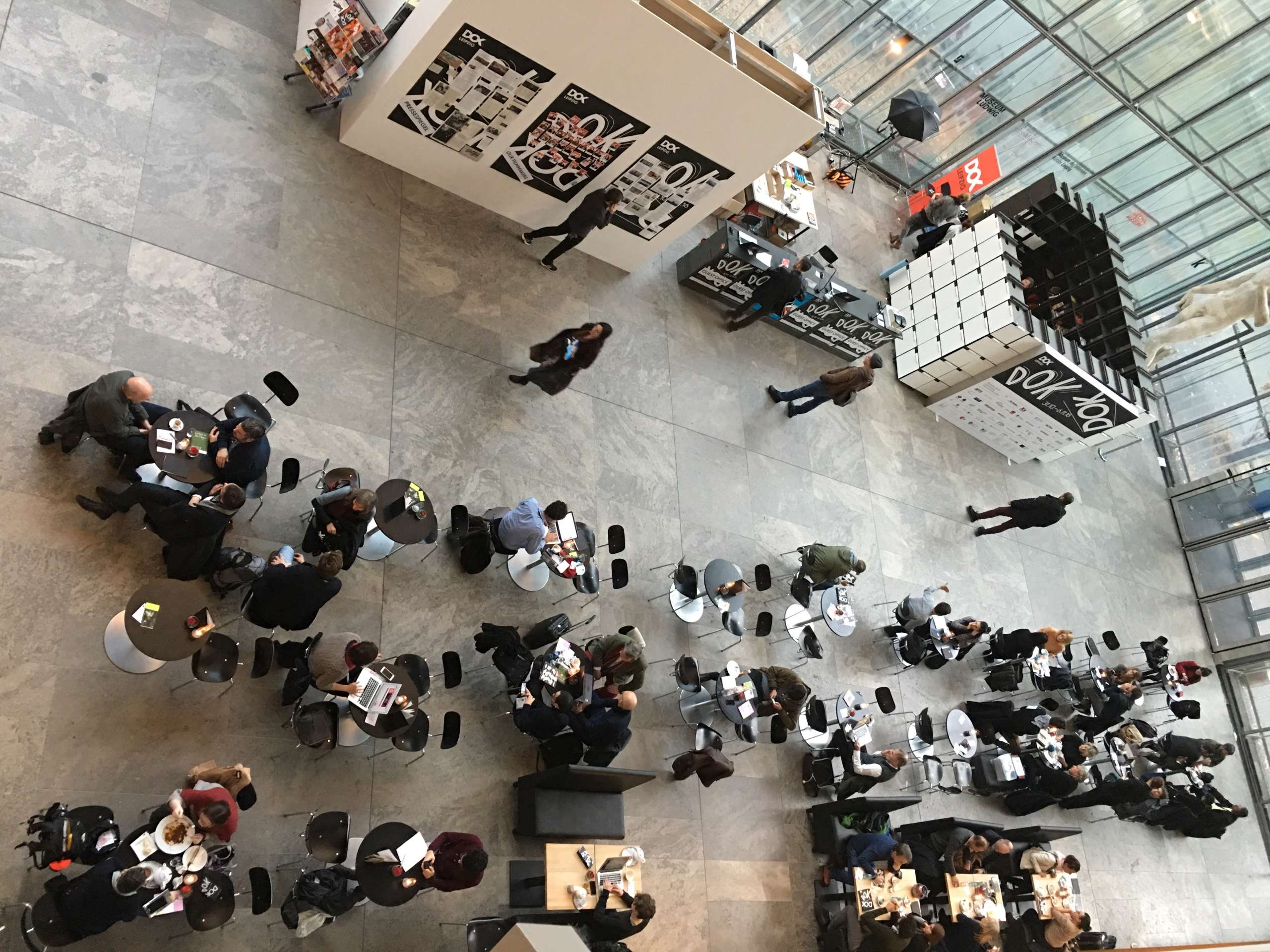
DOK Leipzig. When asked about her initial experiences in heading up such a huge festival, she admits that she last year was too unfamiliar with the common difficulties in administrating a festival of this size. But is now, as she says, playing to her strengths, maybe coupled with a Finnish bluntness, by making quick decisions and delegating lots. This, she states, is unfamiliar and perhaps surprising to the Germans. But, this is vital in order to organise screenings of 300 selected films, split into several different programs, plus there is also the arrangements of DOK Talks, seminars etc. Her budget is two million Euro. This includes covering the trips for the filmmakers who participate in the competition. In a response to my question, she explains that they try to provide financial support for other filmmakers’ trips as and when they are able to.
Animation. Interestingly, the festival regularly features a program on animated films. DOK Leipzig does not separate out animation into an independent program, instead, according to Pasanen, they consider it part of the documentary field.
 As filmmakers can appreciate, animation is able to illustrate many real life situations which a camera cannot access. ModernTimes ran into an interesting discussion on how to use inaccessible situations, featuring the programming director for DOK Leipzig, Grit Lemke. She explains that often, getting actors to explisit act out real-life situations, is received badly – because documentaries then lose their artistic creative side. This is something which can be improved by animation, as long as it is not too explicit. In my mind, I could think of historical situations, and violence, like torture and else where animation could be applied.
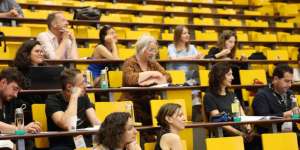
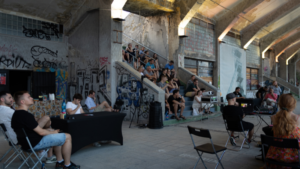
Lemke also moderated a DOK Talk entitled The documentary as firebrand? The Polish example: The panel spent one hour telling us that social criticism was easier before, that today’s political films do not get through. As the festival catalogue informed us, the old Polish school’s «representatives were invariably firebrands in several respects: they courageously and radically opposed political dogmas and shifted artistic boundaries.» Feeling restless about the talk, I asked if the filmmaker’s critical analysis of Polish social reality has gone astray? Krzysztof Gierat, festival director from Krakow confirms that he experiences problems in finding these types of films today. The majority of the panel nod in agreement. Could it be concluded that civil disobedience vanished, as their new government came to power? An audience member explained that new Polish family films could also be political, portraying it from a local, personal view.
Frustrated with the discussion, I again asked about the new Polish anti abortion law and other issues – why were these not able to ignite doc filmmakers? Did anyone know anything about new intitatives? As the festival catalogue asked: Is there a call for «a new cinema of moral unrest», or «is a new wave of social criticism about to be unleashed?» I was expecting some answers, not only this talk of difficulties … And then it happened: The ‘conservative’ archeologist of cinema, Maciej Drygas, told me off, and to know more about the abortion law before asking such questions – to this, filmmaker Maria Zmarz-Koszanowicz reacted furiously. This unleashed a furious Polish tirade between the two participants, which the poor translate had no chance of getting in-between for translating. There may be hope of disobedient films after all.

Disobedience. There is an urgency behind the disobedience topic, caused by the current atmosphere of «violent attacks by extremists around the world. The rise of populist parties in Europe. Hate Speeches. Trump. Brexit. » – as Pasanen describes it.
Add to this the decline of an empire, the US, where the population is backing two militants as presidential candidates; Trump and Clinton. Disobedience, or the support of alternatives, like the Green Party’s presidential candidate Jill Stein, with a whole host of reasonable politics, is urgently needed. Here critical filmmaking, including essay films, could be at the core of the criticism in a bid to confront the introduction of dogmas or illiberal practices.
Maybe Polish filmmakers, as in the example here – and also the Turkish filmmakers who were mentioned in another DOK talk – could co-operative with their German or international counterparts to get the critical and thoughtful opinions out – and make their heretic or disobedient films.
What festival director Pasanen is fighting for is the urgent need, now more than ever, for, as she says, stories depicting «resistance and survival, solidarity, hope and love.»