The seventh edition of the #Impact Days#, held during the #FIFDH International Film Festival on #Human Rights# in Geneva, provided a reminder of the power of documentary as a tool for advocacy. Bringing together over participants globally through its annual webinar, the event illuminated how storytelling can mobilise real-world change. «Visions of Hope,» this year’s theme, underscored the need for narratives that transcend despair to chart actionable paths forward.
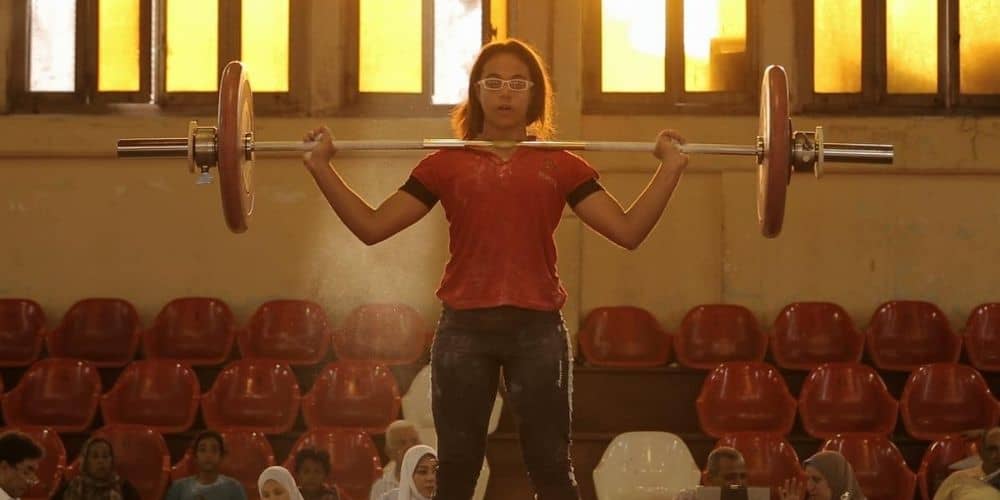
Central to the event was the Egyptian documentary Lift Like a Girl by Mayye Zayed. Chronicling the inspiring journey of Zebiba, a young girl striving to become a weightlifting champion, the film became a lens through which gender equity, social empowerment, and systemic transformation were explored. Through a meticulously crafted impact campaign, Zayed’s work serves as a case study for filmmakers aiming to intertwine art with advocacy.
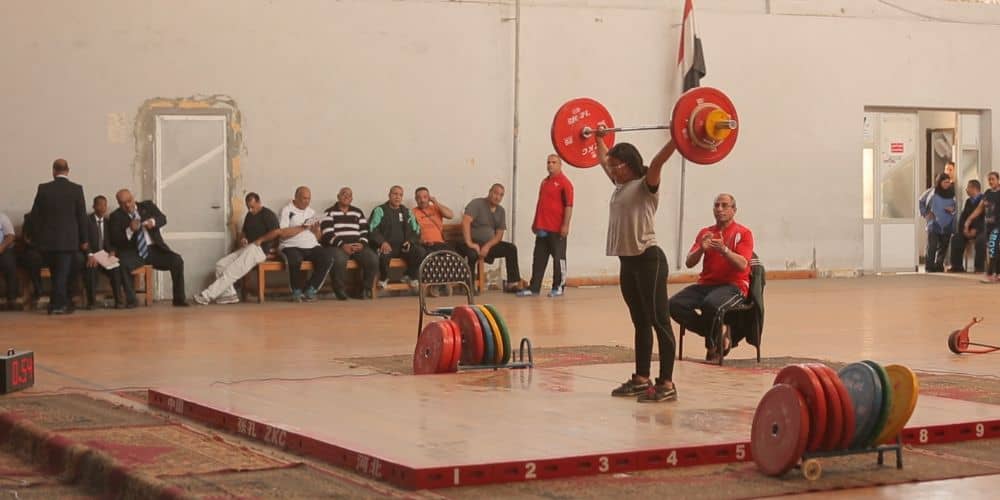
The Case of Lift Like a Girl
Since its inception, the Impact Days program has cultivated collaborations between filmmakers and human rights organisations, generating over €500,000 for campaigns rooted in storytelling. Mayye Zayed’s Lift Like a Girl approach exemplified such synergies’ potential. By engaging audiences from Egyptian schoolchildren to international academics, the campaign sought to dismantle stereotypes, empower youth, and amplify the visibility of female athletes. Premiering at the Toronto International Film Festival and later celebrated at DOK Leipzig and the Cairo International Film Festival, the documentary garnered critical acclaim and attracted media attention.
Zayed stated, «We wanted to inspire children in Egypt and the region to pursue their dreams, whether conventional or not.»
A dual focus on local and global engagement anchored the campaign’s success. In Egypt, Zayed’s team embarked on a screening tour across 14 cities and eight villages, often relying on a mobile cinema kit to reach underserved areas. Workshops accompanying these screenings tackled identity, gender bias, and pursuing unconventional dreams. A 35-minute film version was crafted for children, complemented by a toolkit and a board game designed to spark dialogue.
Zayed shared. «We wanted to make them realise that dreams are gender-neutral, and even if unconventional, they are achievable.»
On the international stage, Lift Like a Girl was screened at institutions such as Wellesley College and the University of Ottawa while featuring community-driven events in Germany, Lebanon, and the Czech Republic. Additionally, the campaign’s strategic use of digital platforms amplified its reach. Netflix and VOD platforms released the film on dates aligned with symbolic milestones like the Olympics and International Women’s Day.
Resourcefulness emerged as a cornerstone of the campaign’s strategy. Zayed’s team navigated financial constraints by combining grants, in-kind contributions, and NGO collaborations while maintaining a broad outreach. Local organisations in Egypt provided venues and logistical support, which enabled screenings and workshops.
For Zayed, the impact campaign was integral to the filmmaking journey. «Working on the impact campaign was as satisfying as working on the film itself,” she explained.
Sustaining Impact Through Collaborative Ecosystems
A core theme at Impact Days was the paradigm shift towards hope-based communication. The founder of Hope-Based Communications, Thomas Coombes, articulated the need to move beyond fear-driven narratives, arguing that hope and agency inspire action more effectively.
“We need to move from showing problems to showing solutions so people can see a way forward,” Coombes emphasised.
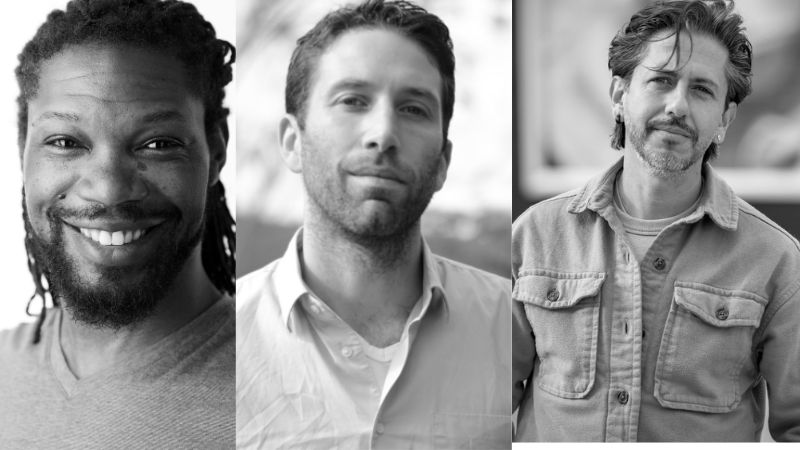
Adrian Kawaley-Lathan of the Resilient Foundation echoed this sentiment, noting that their organisation specifically seeks out «visionary futures» stories that paint a compelling picture of the world we want to create. «If you don’t have a vision for where we’re going, then how will we map the steps to get there?» he posed. Kawaley-Lathan emphasised the importance of centring marginalised voices and grassroots changemakers in this storytelling process.
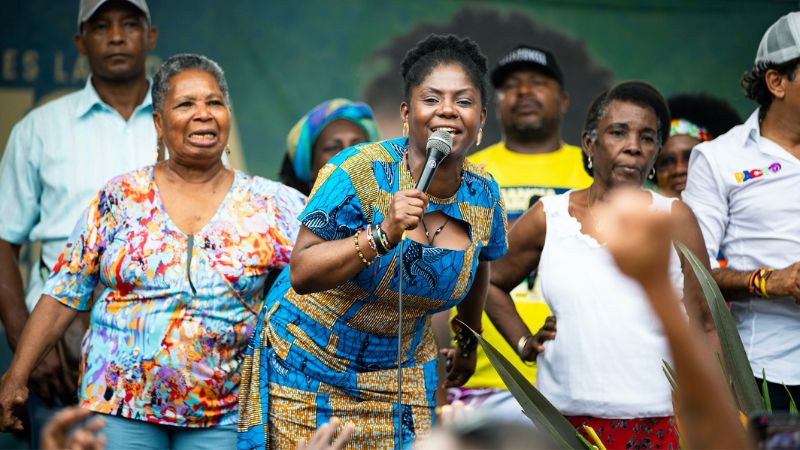
Juan Mejia, director of the documentary Igualada, then discussed how working with activist Francia Márquez’s presidential campaign in Colombia inspired disillusioned citizens, especially young people and marginalised communities, to believe that a different kind of politics was possible. «You could see these young people, especially young women, diverse communities…to begin to dream again, to hope again,» Mejia recounted.
The panellists agreed that this shift towards hope-based storytelling requires fundamentally rethinking the role of human rights communicators and documentary filmmakers. Rather than just raising awareness of problems, these storytellers must actively shape the narratives that inspire the future we wish to see. Coombes said, «We’re not just bringing stuff to light. We’re actively playing a role in shaping the future society.»
FIFDH Impact Days continues from 9 – 11 March in Geneva.