Lucija Marčec’s grandmother plays herself in No Offence. She’s one of three Croatian women named Ana whose region has spent generations treating its Roma neighbours as outsiders. The film shows that discrimination shifts again once Nepalese labourers arrive to work in the local food industry. Putting family on camera isn’t unusual for a small-town documentary. What’s odder is that, one country over, Altinaï Petrovitch Njegosh felt the need to write, in her own director’s statement, that she is not the subject of her film, despite a childhood that, like her conductor’s, pointed her from Paris toward Montenegro.
Docu Rough Cut Boutique is now in its seventeenth year as Sarajevo Film Festival’s industry showcase for unfinished documentaries. Every one of this year’s five selected films puts its director inside the story rather than at observational remove.
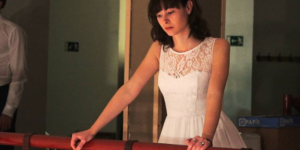
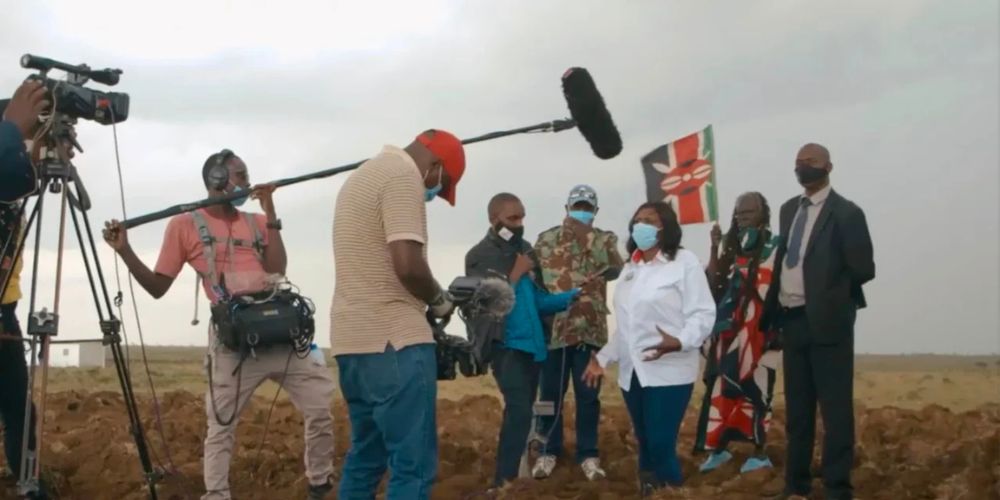
 No Offence, a film by Lucija Marčec
Marčec’s is the bluntest case. Her own grandmother’s presence is presumably why No Offence refuses to treat its subject as anthropology, and why the festival’s own synopsis can ask, «Does the discrimination ever change, or does it only change its victims?» A subplot following one of the young Roma men to Germany was shot and then dropped from the current sixty-minute cut.
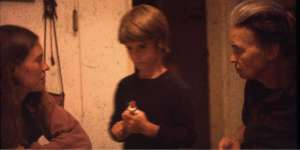
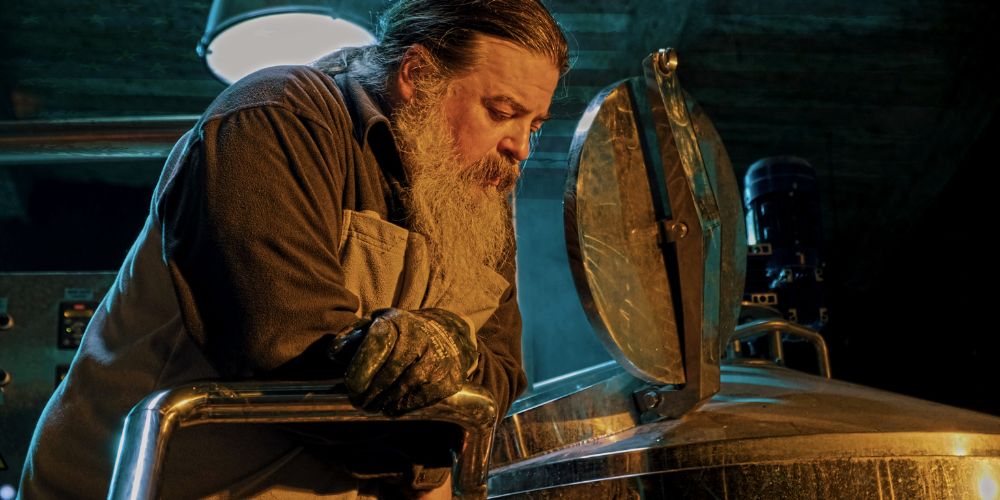
 Balkan Maestro Altinaï Petrovitch Njegosh & François Fleury
Petrovitch Njegosh’s case is stranger, as nothing forces the confession. Marc Korovitch, the French conductor at the centre of Balkan Maestro, which she co-directs with François Fleury, arrives in Podgorica to claim the National Orchestra of Montenegro just as the country pushes to close its remaining EU accession chapters, and finds a supporting cast of locals that includes a guslar treated as something of a local oracle. Petrovitch Njegosh shares Korovitch’s roots closely enough that she has had to say, in public, «I’m not the subject of Balkan Maestro.»
Selen Çatalyürekli meant to do things properly. Fifteen years of moving between documentary and activism resulted in Women of Akbelen Forest. She arrived at the Akbelen Forest encampment in December 2021, where local villagers, mostly women, have spent since 2019 physically blocking coal mining that has already swallowed ten neighbouring villages and, as recently as this July, produced a criminal conviction for one of the activists involved. Çatalyürekli planned to keep her distance. «I intended to remain at a distance,» she has said. «But distance dissolved.» She ended up close enough to Nejla, the encampment’s spokesperson and one of the BBC’s 100 inspiring women, to be welcomed into her home.
 Where Shall We Go, a film by Maria Cheresheva, Georgi Totev
Maria Cheresheva has spent fifteen years as an investigative journalist. Where Shall We Go? follows a Bulgarian Jewish woman’s online friendship with a Palestinian friend in Gaza, even as the Gazan friend’s own effort to reach safety succeeds only in scattering her family across three continents. It’s Cheresheva’s directorial debut, made with co-director Georgi Totev. «As the political discourse around Palestine grew increasingly hostile,» they’ve said, «making this film become an act of both professional and moral urgency.»
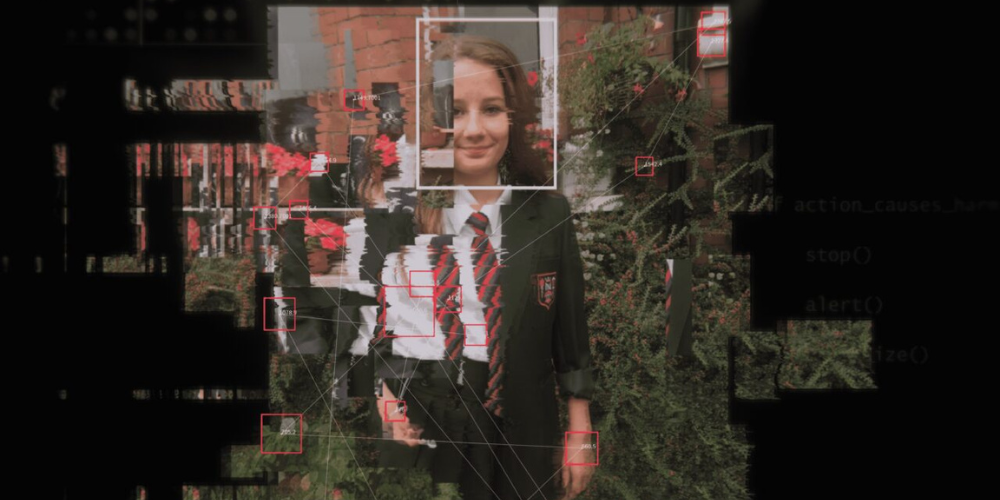
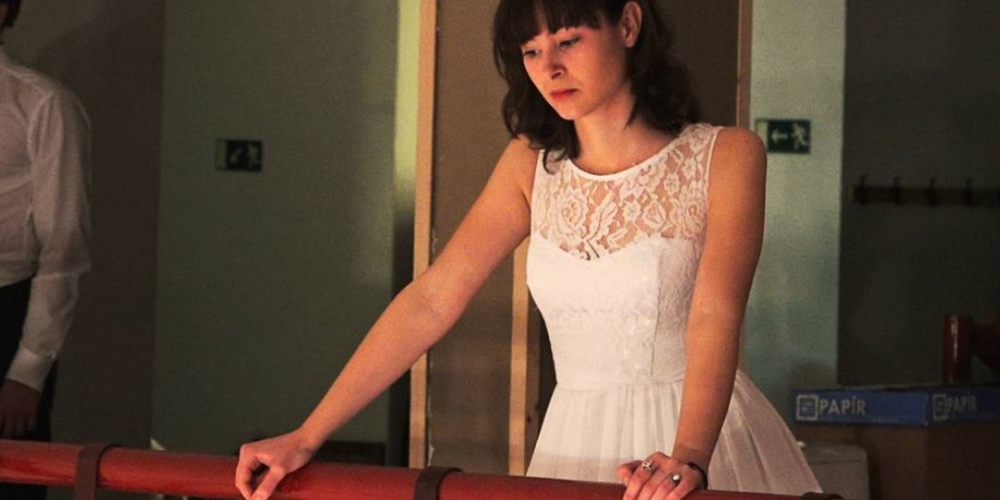
Rita Balogh and Peter Akar took the collapse of distance further than anyone. Kind of Adults follows one Budapest graduating class from 2019 to 2026, largely through footage the students shot of each other and of themselves. It’s material the directors call the film’s actual backbone. «We see their story from within,» they’ve written. The six years on screen end just as Viktor Orbán’s sixteen years in power did, with April’s landslide election handing Hungary to Péter Magyar’s Tisza party. It’s a parallel the directors build directly into the film.
 Kind of Adults, a film by Rita Balogh Peter Akar
As Sarajevo’s industry platform, Docu Rough Cut Boutique doesn’t compete for awards. It exists to get a handful of rough cuts from South-East Europe in front of the broadcasters and sales agents who decide what happens to them next. This year’s five worked through Sofia in May, then an online session in July, before this final push into Sarajevo. According to the programme’s own organisers, submissions keep climbing even as regional financing for independent documentary work keeps drying up.
Buyers watching the pitches this month are used to being sold distance. None of these five is selling that. Marčec is related to her subject, and Petrovitch Njegosh keeps having to deny that she is too. Çatalyürekli moved into the encampment she meant only to observe. Cheresheva spent fifteen years learning professional distance only to abandon it for her directorial debut, and Balogh and Akar let their own teenage subjects shoot much of the film. It’s a genuine risk. Whatever else connects a Croatian border region to a Turkish forest to a Budapest classroom, all five are betting that the closeness is the actual product. It’s not the flaw a distributor will ask them to fix.