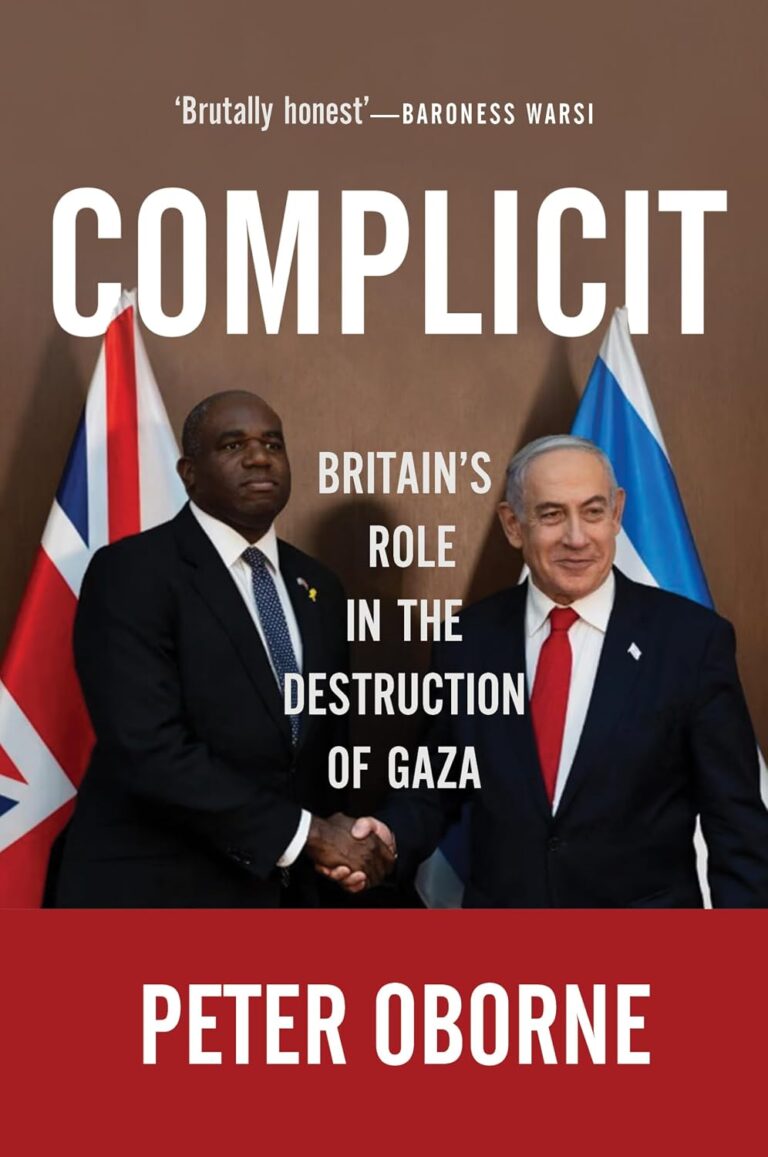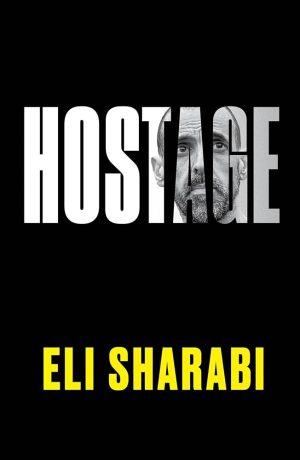
Being in a tunnel, he does not fear the airstrikes. You can hear them. Obviously, but they are not an issue. What he is afraid of is that the #IDF might try to save him. Because he has no doubts: in a raid, he would be killed, and above all, he is afraid of the war. He is afraid of the increasingly exhausted, and at times, desperate, eyes of his captors, who in the #Gaza above the ground lose mothers, fathers, sons, brothers, like everyone else. Because those who are desperate, he says, are ready to do anything.
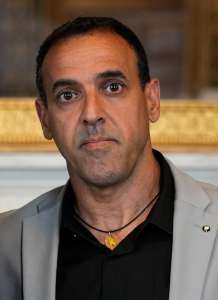
Eli Sharabi, released after 491 days, is the most famous of the 7 October hostages: the gaunt man who, on the stage of the liberation ceremony, broadcast live by #Hamas on TV, speaks of his wife and two daughters, whom he will finally see again soon, and no one tells him they are dead. His book, read by all Israelis and translated everywhere, is the first account of the captivity from the inside, but it is much more than that. Because the distance from the jailers remains, there is no Stockholm syndrome, but there is also this feeling that in Gaza, everyone is actually trapped. The kidnapped and the kidnappers alike. And that the only way to get out of hell is to get out together.
That no one is saved alone.
A Jew of Moroccan and Yemeni descent, Eli Sharabi, 51, manager of one of the leading military hi-tech companies that developed the #Iron Dome#, speaks Arabic fluently. And so, he says to Hamas. And it is a first for both. None of the kidnappers know any Israelis, but neither does Eli Sharabi, despite living in Be’eri, and having Gaza literally across the gates of his house, know any Palestinians. They seem to him to have arrived from the past. And to have no idea what the world is like or its balance of power. They have just watched Titanic, and they truly think they are going to win. They think #Hezbollah, with its bunch of rockets, will join the fight and wipe Israel off the map. They describe Gaza, they describe a life with no opportunity, with no prospect, a life of nothing, just of poverty. And above all, they gradually become more and more worn out by the war, like the hostages. They await the ceasefire with the same anxiety, glued to al-Jazeera, because somehow, they are pawns of Hamas. They do not play any role in decisions. They simply follow orders.
Stuck in a war over which they have no influence.
One day, Eli Sharabi finds himself looking out the window at the sea with one of his captors and talking about this and that. As if we were two friends, he says. And that’s what makes this book so unique and worth reading: this attempt to understand each other without justifying or forgiving. But still, to understand each other. Upon his release, there is no greeting, no farewell, not even to the two who have been guarding him from the beginning. He is sincere: «I don’t give a shit,» he says. They are his captors. Period. He knows very well that, if necessary, each would shoot the other without hesitation or regret. And yet, he is able not to demonise them. Never. He can contextualise.
They are men who make mistakes. But still, they are men.
His book, read by all Israelis and translated everywhere, is the first account of the captivity from the inside
The captivity is brutal. Also, because, locked in a tunnel, Eli Sharabi knows nothing about the #war. He has no news. And of course, Hamas tells him that #Israel is on the brink of collapse, under attack everywhere. And that no one cares about the hostages. After almost a year of transfer to another tunnel, he emerges onto a largely normal Gaza, with lights, shops, and crowded streets, and he is stunned. He does not know that it is one of the few intact areas. That in reality, everything is in rubble. His Gaza, on the other hand, the Gaza underground, is a cold and filthy Gaza where he lives among worms, rats, sewage, among infections and diseases, beatings, and above all, constant humiliations.
And what’s more, relationships with the other hostages are not easy. They end up clashing over everything. Over bread, toothpaste, blankets. They end up losing each other. Consumed by hunger. He cuts himself with a razor blade to pretend to faint in a pool of blood and get some extra food.
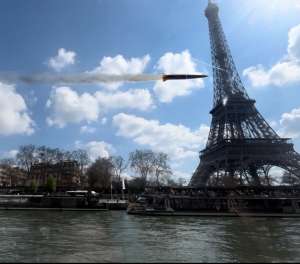
He will get it, yes. But to celebrate Iran’s missiles on Tel Aviv.
And yet, every evening, in a circle with the others, he lists the good things of the day just gone by. A bit of sugar in the tea. A slice of orange. A sentry, more violent than the others, who was not on duty. Anything that helps resist. That helps him survive, because he says, surviving is already winning—and he does not know how many Palestinians say the same every day. «You always have a choice,» he repeats, urging his comrades not to give up. Not everything is already decided, he says. And decided elsewhere. You always still have a card to play.
A card to make a difference.
To be the difference.
After his release, he goes to the cemetery. He goes to his wife and daughters. But he had assumed they might be dead. Somehow, he had already got over his grief. And so, he stops next to their graves, but after a while, he leaves. «I have hit rock bottom. I lost all,» he says. «Now, life remains.»