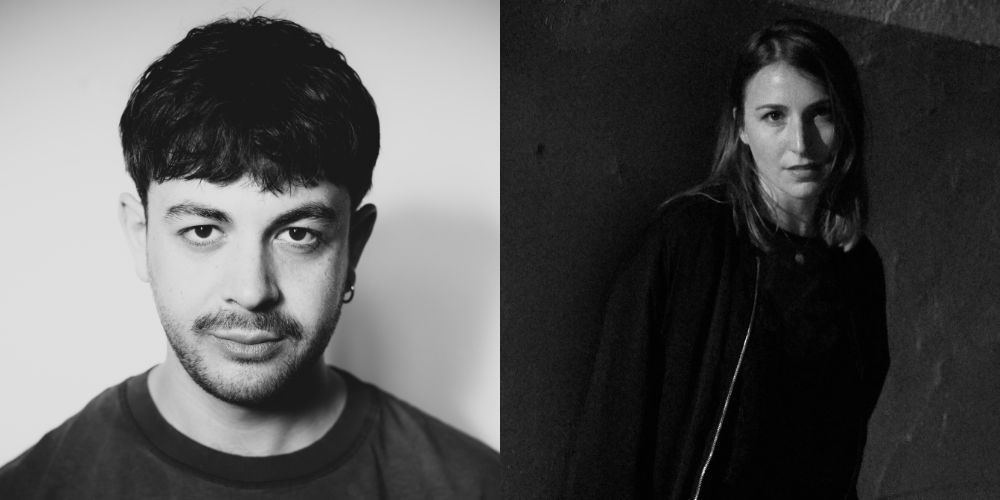
DokuFest is gearing up to elevate its musical landscape with the unveiling of its full lineup for the 23rd edition, running from 2nd to 10th August. Curated by #Nita Deda# and #Leart Rama#, the DokuNights music program promises an eclectic mix of performances, spanning from centuries-old ceremonial songs to cutting-edge contemporary sounds. With a focus on both traditional and avant-garde acts, the festival offers a rich auditory journey that caters to a wide range of musical tastes.
Ahead of the 2024 #DokuNights program, Modern Times Review spoke with curators Nita Deda and Leart Rama on their road to DokuFest, Kosovo’s love for electronic music, balancing local and international acts, and more.

How did you two get into this position with Dokufest? Programming music for a documentary film festival.
Nita Deda: We’re actually two generations of operators here. The music program started small. At the beginning of Dokufest, around 2000, there were just small parties at a bar or restaurant. There were a lot of passionate people interested in music, both in the audience and within the team. An important moment in the development of DokuNights was when we invited Patrik Ukiq, who runs the local rave collective Servis and who joined the programming team in 2016 for several years. He brought his fantastic taste in electronic music and elevated that aspect to a new level.
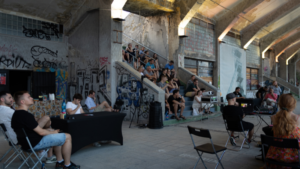
In 2010, we moved from the restaurant to a new venue, Andrra Stage. I curated the program there for ten years, took a break, and now I’m back. During that hiatus, the festival continued, learning and evolving each year.
The goal has always been to offer a platform that brings global talent here while showcasing and highlighting the local electronic music scene. For example, we’ve featured collectives like Bijat, Angry Youth, and Servis, as well as hosted nights at local clubs like Drugstore in #Belgrade. We aimed to curate live events that brought together DJs or musicians with their influences.
The music program has always had a strong #electronic music# component because of our love for the genre. We’ve also included album releases from regional bands and experimented with other venues, exploring intersections between film and music. For instance, we collaborated with artists like Vincent Moon and Rabih Beaini, who created scores for films or collaborated with local musicians. We’ve hosted experimental performances featuring artists like Catarina Babieri and traditional polyphonic singing from Albania.
In recent years, the programming has included a mix of genres and innovative collaborations, engaging with various artistic stages. We have a new format this year, which I’m excited about.
Leart Rama: As for me, I started this journey about ten years ago. I first encountered electronic music when I was 14, thanks to Dokufest. A friend persuaded me to attend a show at Andrra Stage, and I instantly fell in love with the music. It inspired me to explore and eventually pursue a role in curating. I started going to performances regularly and dreamed of one day performing there myself.
Years later, when the Dokufest team invited me back to curate, it was beyond my wildest dreams. Travelling and attending various performances allowed me to imagine what it would be like for those who hadn’t experienced such things. Bringing talented artists to #Kosovo and creating an environment where they could share their music with a local audience has been incredibly rewarding. Seeing this mission come to fruition has been a dream come true for me.
The goal has always been to offer a platform that brings global talent here while showcasing and highlighting the local electronic music scene.
You mentioned that Kosovo has always had an interest and appreciation for electronic music. What is it about electronic music that resonates with Kosovo and its culture?
ND: It’s connected to how we experienced freedom. During the 1990s, Kosovo was under a difficult political situation, and living conditions were tough. Many people left the country, and when freedom finally came, and the war ended, it was a period of significant change. People who had been living abroad, like in London, returned to Kosovo. Suddenly, it became possible to host raves and festivals. Dokufest emerged from this feeling of newfound freedom—the possibility of doing something despite the challenges.
Initially, Dokufest was started by a small group of five people using their own funds. Everything had to be built from scratch—no existing infrastructure, cinema, nothing. We had to learn everything, including how to show a film. This experience created a organizational culture with no room for punishment or failure; we had to adapt and learn as we went along.
The music program is a part of this evolving culture. For instance, the opening of Spray Club in #Pristina was a significant milestone. It played a crucial role in shaping the electronic music scene, hosting excellent parties and setting a high standard. This euphoria of freedom was expressed through electronic music, and the club became a central hub for music fans.
Additionally, there was an online forum where people engaged in discussions about electronic music and new album releases. This community played a significant role in creating interest and appreciation for the genre. My interest in electronic music also grew from this context.
Do you have a specific percentage or method for dividing the lineup between local and international acts?
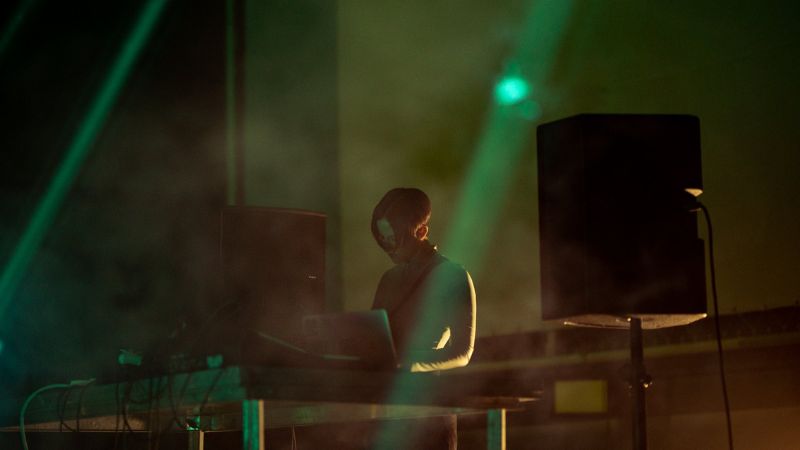
LR: We don’t work with specific percentages; it’s more about what feels right and makes sense for each event. We put a lot of thought and discussion into each night’s lineup. Since Kosovo’s music scene is relatively small, we know most local artists personally. We often see them perform, and it’s a powerful experience because they’re friends we see every day. When they’re on stage, it’s like they become stars, and it’s often quite emotional. I remember seeing one of my best friends #Edona Vatoci# perform and feeling overwhelmed by how amazing she looked on stage.
Over the years, I’ve noticed that documentary festivals can sometimes focus so heavily on serious subjects that they forget how to have fun. After intense, heavy films, it can be challenging to maintain a vibrant atmosphere. So, how do you align the music and party elements with the film festival, especially when the festival’s focus is often on heavy topics?
ND: Dokufest provides a valuable platform for local artists to showcase their talent. We’ve also had successful nights featuring local collectives, which have been very well-received. Our approach to curation is quite open; it’s about finding what works and resonates with the audience.
Sometimes, the connection between the music and the film program isn’t always direct. It’s more about taste and thematic resonance. For example, experimental and radical films might naturally align with more experimental or #avant-garde# music. However, not every music choice needs to have a direct connection to a specific film or film program.
LR: As Nita mentioned, it’s more about creating a unique and dynamic atmosphere. We’re always eager to introduce something new and exciting. Our approach has evolved significantly; what started as small after-parties in a restaurant has grown into a large-scale music festival over nine days. Initially, we didn’t even recognize what we were doing as curation, but over time, we realized the significance of what we were creating.
ND: There were internal discussions about whether the music overshadowed the film component, but we always aimed for a harmonious balance. The goal is to create an experience where both elements coexist seamlessly. For example, some attendees come exclusively for the documentaries, while others come for the music or panels. That’s perfectly fine and contributes to the festival’s diversity.
In fact, the music program often attracts people who then become interested in the films. For instance, many attendees from Pristina came for the parties and ended up staying to watch documentaries over the weekend. It’s a natural blend where the music and film complement each other. We’ve moved away from having very late parties, focusing instead on creating a balanced and integrated experience. It’s about finding that equilibrium where both aspects enhance and support one another.
Over the years, I’ve noticed that documentary festivals can sometimes focus so heavily on serious subjects that they forget how to have fun.
Is there a closing time for the events in Kosovo?
ND: The castle closes at 6 AM. This year, we’ve introduced a new format, moving away from having just that one venue. Instead, we use three different venues across the city each day. We have music moments at various locations, including the castle, Lumbardhi, and other indoor and outdoor venues.
We’re also experimenting with a new stage this year, Plato, which is located behind our office. This year is a test run; we’ll see what works and what doesn’t. It’s a new format with added venues and a different approach than previous years.
LR: One major event this year is a large rave featuring the Hypersoft collective of Bambi and DJ Teeth at the castle. This collective is one of the coolest and most influential groups in #Berlin right now. They are known for their activism and donate a significant portion of their earnings to various causes. For instance, the proceeds of their first album went to the #transgender community. Their music is distinctive and represents a unique style of electronic music.
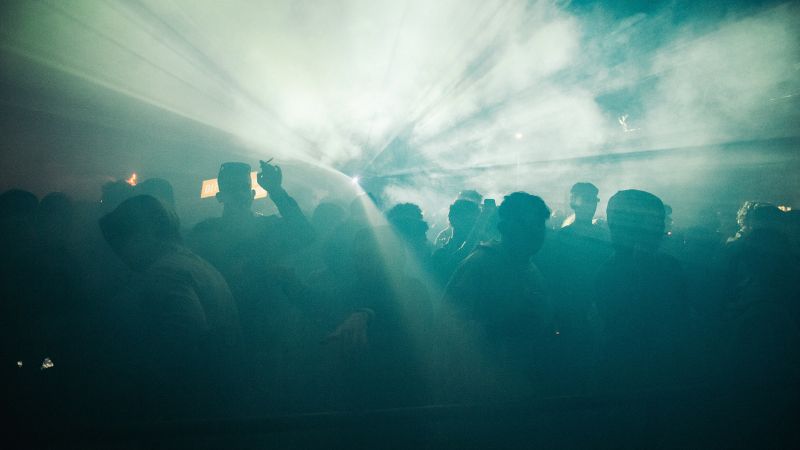
You’ve got some big names coming this year, including Aisha Devi, who’s always been a favourite of mine, and Aleksi Perala. From the lineup, what are you most excited about as a fan?
ND: For us, it’s important to really want to attend the event you’re organizing. That enthusiasm helps make it a great experience. I’m particularly thrilled about Niksi, who is debuting a new production. I saw her perform at Terraforma last year, which was a huge inspiration for me. She had a live performance that was more ambient, and I was very impressed. We’ve been in conversation, and she and dancer Tiran Willemse are creating a site-specific performance for DocuFest at the castle. I’m also excited about 47 Soul.
LR: Of all the artists, I’m especially looking forward to Aleksi Perala. He was one of the first artists I listened to when I started making music, and it’s incredible to see someone with such a unique sound live. I’ve never had the chance to see him perform, so this is a big deal for me.
As Nita mentioned, you really want to bring the artists you’re passionate about to the festival and share that excitement with others. It’s fascinating how performing in places like Kosovo can be a different experience compared to cities like Berlin or #New York#. For these artists, performing here holds a special significance.
ND: Creating these events involves a lot of effort, especially in Kosovo, where logistics and funding can be challenging. When an event comes together and works well, it’s incredibly rewarding. It’s like creating an instrument that’s then played by the audience, the weather, and other elements. This makes the process so motivating. Of course, not everything always goes as planned—there are times when things don’t connect as expected, and that’s part of the learning experience. But the moments when it does work out are truly special.
It’s like creating an instrument that’s then played by the audience, the weather, and other elements.
How does the older, more traditional generation interact with your work? For example, there was some controversy last year with Peaches’ performance. What’s the general interaction like with the local community?
ND: No matter where you are in the world, there will always be people who are not satisfied with what you do. I’ve come to terms with that. Finding ways to collaborate with local people is important because, ultimately, you’re doing this for the community, not just for yourself.
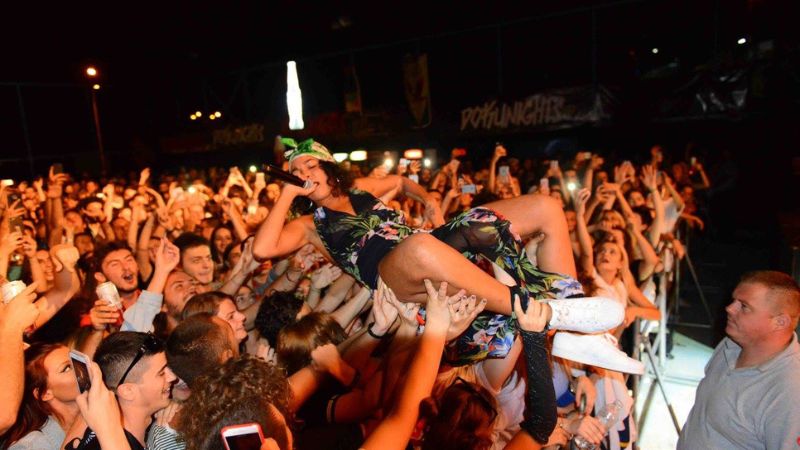
Given that the program is constantly evolving and experimenting with new elements, where do you see the future of DokuNights? Are there any specific aspects or ideas you’re considering adding but have yet to implement?
ND: As DokuNights continues to evolve, so will its programming and focus. My vision for the future is centred around creating more moments of collaboration and integration across different art forms. I’m particularly interested in exploring the spaces between film, music, dance, and visual art. For instance, I see opportunities for unique cross-disciplinary performances and interactive experiences that blend these elements in new ways.
The festival’s direction will be shaped by our audience’s evolving tastes and the ever-changing landscape of the music and art world. While electronic music will remain a core element due to its dynamic and ever-expanding nature, we’re also keen on experimenting with new formats and ideas.
In the past, I was deeply involved in organizing events that focused heavily on the musical aspects, but now I’m more interested in creating moments that foster collaboration and exploration. This includes integrating different art forms and finding new ways to engage with audiences.
The beauty of this journey lies in its unpredictability. We don’t always know exactly where it will lead, and that uncertainty is part of what makes it so exciting. The festival will continue to grow and adapt, embracing new dimensions as we move forward. The challenge and thrill of not knowing exactly where it’s going makes this endeavour so rewarding.
It’s like creating an instrument that’s then played by the audience, the weather, and other elements.
What’s your relationship with the genre of documentary film? Do you focus mainly on music documentaries, or are you also interested in other styles?
ND: For 10 years, I’ve had the privilege of sharing an office with (Artistic Director) #Veton Nurkollari#. Initially, it was a small room, but it allowed me to immerse myself in our shared passion for documentaries. Through this experience, I developed a deep appreciation for the genre.
LR: For me, Dokufest and my involvement in it start from a genuine passion for films. Initially, my interest was purely in documentary filmmaking. However, as I learned to tell stories through documentaries, my love for other aspects of life and art grew. While my early passion was centred around documentaries and films, it eventually led me to a broader appreciation for music and other genres. I never expected to fall in love with music or to be involved in playing or listening to it, but documentaries opened my mind and introduced me to new worlds.
Dokufest has been instrumental in this journey, not only by supporting me as a filmmaker but also by exposing me to films I might never have encountered otherwise. Especially six or seven years ago, when I wasn’t aware of many of these films, Dokufest played a crucial role in broadening my horizons.
Dokufest has always been a major window into the world of film, especially when it was one of the few festivals that were happening. Even though there are now many festivals, Dokufest maintains a reputation for being more experimental and staying true to its unique taste. It remains a special place for many, and it continues to hold a special spot in people’s hearts.