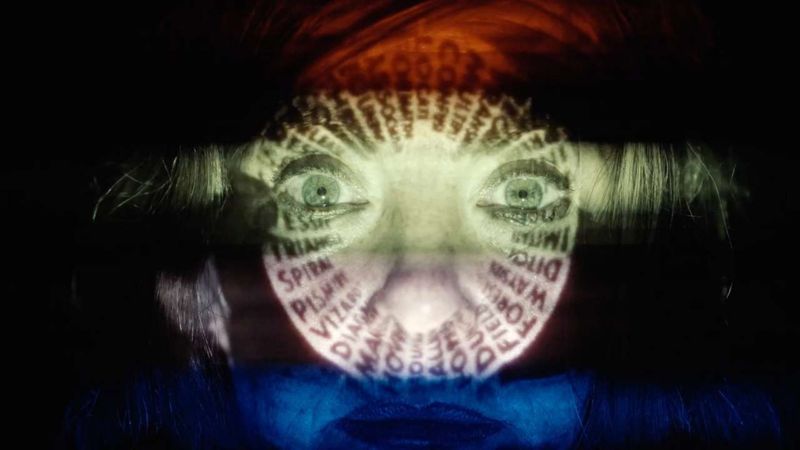
The programmers of the section «Island of Memory. Focus on Ireland» at the 65th Krakow Film Festival propose an intriguing question: what shapes the identity of a people and a country such as Ireland? Classic cinematography has plenty of quick-tempered, hard-drinking, and warm-hearted protagonists coming from #Ireland, so a look at this stereotyped portraiture is certainly a fascinating challenge. But there is another critical aspect. Our times, signed by the dawn of #identity politics# and an expanding aversion towards the variety of identities, clearly demand a more thorough reflection – such as what is proposed by the #Docs Ireland# International Documentary Film Festival-partnered programme: what, after all, makes an identity? Deep into the 21st Century, the answer still seems to lie, at least partially, in the words of the traditional political left, the history and class struggle.
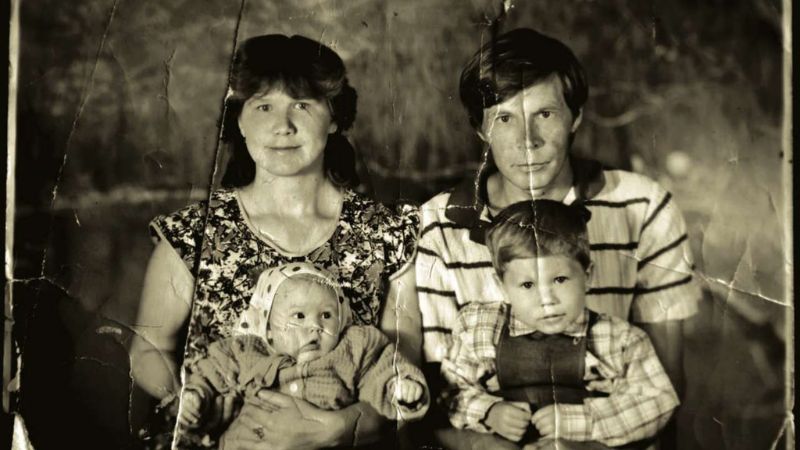
The Lost Mother
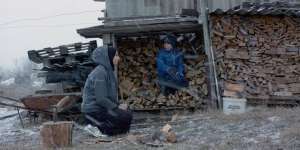
Films selected for the Krakow Film Fest’s Focus show that Irish documentary film is blossoming. My Lost Russian Mother (2023), for example, is the first feature documentary by producer and director Sam Jones, who followed his newfound friend Gabe, a Russian-born US citizen, on his quest after a mother who abandoned him and his older sister, 12 years ago in absolute #poverty. An affluent American woman adopted them, but the desire to find their «real» biological family smouldered in Gabe all the time while in the USA. As soon as he turned 18, he left for #Russia. Jones is a self-made filmmaker, but the story he reveals is on par with the most sophisticated feature thrillers. Partly, it is so because of his clever way of disclosing the information, one at a time, building the suspense along the way. The other reason is that Gabe’s expectations that finding the natural family and biological mother will bring him much-needed relief can not be more deceiving. The tragic outcome of Gabe’s quest further underlines the meaning of this doc as the other, subversive, dark side of Irish history and the privileged place of the family and motherhood within it.
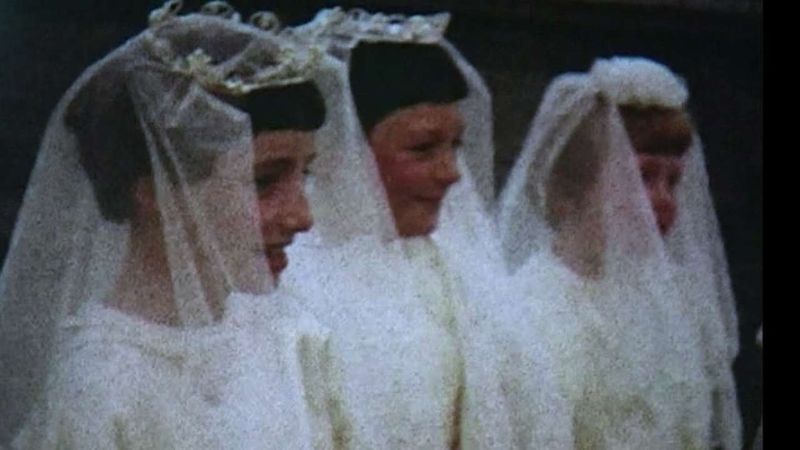
The Violence
To understand this, the main historical documentary from the selection, Pray for Our Sinners (2022), is imperative. Ireland won independence from #England in 1921. In a power vacuum and a weak economy that English misrule left behind, the #Catholic Church# gained control over the country. Its priorities were inscribed into the Constitution in 1936, and the result was a country that brutalised its vulnerable, especially women and children. Sinead O’Shea, the director and a journalist, exposed the abuse that was taking place in the 1960s and 1970s in local Catholic institutions in the city of Naval. By speaking with people who were intimidated and mistreated by teachers and nuns, as well as those who provided support and shelter for them, she revealed what such a strong role of the Catholic Church, almost unique in the modern world, meant in practice. It facilitated an iron grip of the elites on the poor. Through brutal control over their bodies. First, through the total ban on #contraceptives, on their sexuality, of women in particular. And then also through plain violence, by ruthless beating. O’Shea based her film on a couple of testimonies. These restrained and intelligent recollections are heartbreaking and point to the class struggle at the heart of identity politics. The Catholic Church’s policies and practices were essentially of a class nature. The church and its representatives were most brutally treating the weakest of the poorest: handicapped children and teenage women. One of them remembers, «I couldn’t sit beside the radiator because I didn’t bring in coal to heat the school. I was told to move to the other side so the kids who heat the school should sit beside the radiator.»
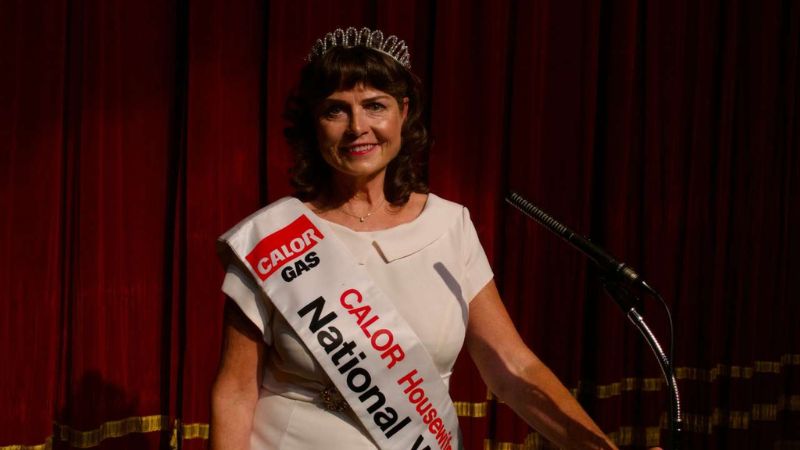
Housewife of the Year
The other historical doc from the selection focuses on a more sophisticated means of persuasion, #media as the prime ideological apparatus. Housewife of the Year, a popular TV show, was broadcast from 1969 to 1995. It promoted the women who, performing free labour, preserved the idealised image of an Irish household through decades: «a hot meal on the table, a clean house, children who are cared for, and support for the husband from a beautiful wife.» Ciaran Cassidy, who directed the film Housewife of the Year, intertwines the archive footage from this program and news reports on the major historical-political events in the country with the testimonies of the women who participated in the show and the footage from their daily lives. While some women eagerly followed the dominant narrative celebrating the image of a housewife who, in addition to her daily tasks, managed to master and excel in other activities, creating a kind of superwoman ideal, others openly complained about this. Through their testimonies, the film visualises the interference of societal power, represented by the Catholic Church, in the most intimate lives of the Irish families, particularly of the women. Thus, this history complements the one provided by the film by Sinead O’Shea. Preventing them from having gainful employment, denying them access to contraception, and placing them in tyrannical Catholic institutions, their homeland was, for Irish women, like for poor kids and teenage mothers, a source of oppression.
Now
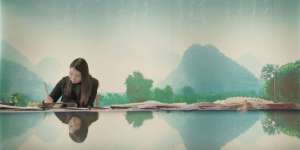
The heirs of this #oppression also found a place in contemporary Irish docs, presented at the Krakow Film Festival this year. Notes from Sheepland (2022) by Cara Holmes is based on Orla Barry’s iPhone Sheepland diary and her book Shaved Rapunzel, Scheherazade and the Shearling Ram from Arcady. It presents Orla Barry, the performance and visual arts artist who started her career in Brussels, where she worked as a barman. After she inherited her family farm in Wexford, she moved back to Ireland with her non-heteronormative family and started to breed sheep. With all her identities – queer, visual artist, and a breeder, tending to her beloved sheep – she defies the #gender role stereotypes that have been assigned to Irish women for years. But it also touches on other realities, such as the one of a farmer battling against industrial breeding in favour of sustainable and ecological alternatives and the controversies of contemporary consumerism and technological development of modern textiles that make the natural sheep wool worthless.
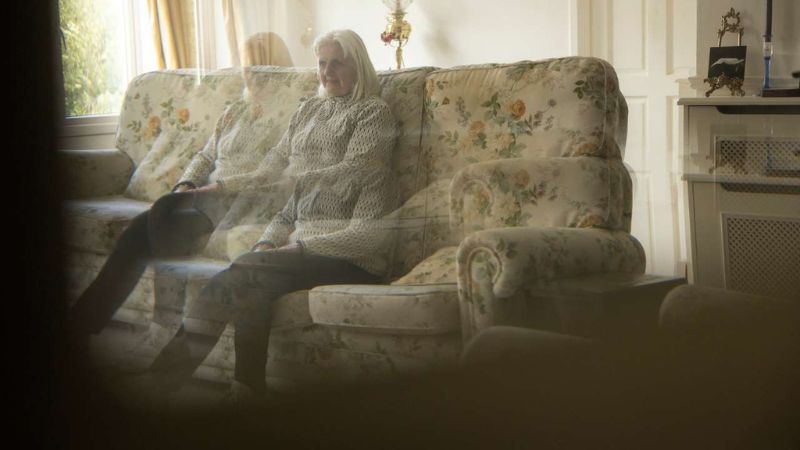
Don’t Forget to Remember (Ross Killeen, 2024) similarly introduces the artwork into documentary film fabrics. This time, the protagonist is the artist’s mother. We can assume that she, a housewife herself, has also been among the viewers of the «Housewife of the Year» TV show. Now, she has been diagnosed with #Alzheimer’s disease. Her husband and sons are taking care of her. They are also desperately trying to revive her capacity to remember, which she is progressively losing from day to day. Her son, Dublin’s street artist Asbestos, is transforming his experience of the fragility of #memory into an artistic project. The project seems successful, but less so are his attempts to involve her, his mother. The image of the mother who strives with all her heart to remember what they want from her is not much different from the reaction of the «real» Russian mother when Gabe reaches her. And this raises yet another question. Perhaps what makes identity is not that important after all because what this embarrassment makes clear is that identity is difficult to live up to.
Films I Dream in Photos (Gary Lennon, Ollie Aslin, 2023) and The Graceless Age: The Ballad of John Murry (Sarah Share, 2023) also make up part of the Focus on Ireland section. Timely project.