MakeDox, one of the most powerful catapults for cinema in #Macedonia, has celebrated creative documentary film for a decade now.
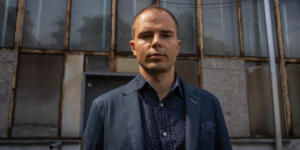
With its 2020 edition occurring 19 – 26 August 2020, Modern Times Review spoke with the MakeDox Festival Director, Darko Nabakov.
The theme of this year’s edition of the festival is Merge with Silence. Can you tell me something about this theme, about the program and about this year’s edition overall?
This year’s edition is focused on sound and silence. The theme is inspired by the poem In Silence written by the Macedonian poet Aco Shopov. We look into poetry in film and sound design, and the lines of the poem echo through the entire program. The film selection is one of the most versatile that we have had until now. The Country in Focus this year is The Netherlands, and we also pay special attention to our young audience, especially this year when they had to stay inside for months. The ‘Kids and Youth’ programme was created in collaboration with #CineDoc Tbilisi, Iceland Documentary Film Festival, and #Animateka Slovenia.
How did the current #COVID-19 crisis impact you and the festival?
In Macedonia the cultural sector was the first to close and it will probably be the last to open. The situation is still critical. And this has changed everything around organizing the festival but also made focus on our audience much more. We are all startled, but the crisis also made us realize just how important cultural events are in preserving our mental health.
What is the format of the festival this year?
The audience can follow the films both in-person and online. We are looking into having some of the directors joining us virtually and all the workshops will be online. And things might change further, depending on the pandemic situation.
What does adaptability mean for a festival?
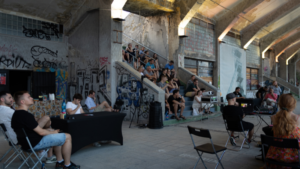
Adaptability probably depends mainly on the team and their openness to change. For us, almost every year we had to adapt and face challenges, for example around bringing films into venues that have never served as cinemas. I believe plans must be adjusted on the go in general. We’ll see how this year’s adjustments turn out. We will try to make In Silence very special.
How do you think the current situation is impacting the documentary landscape? Will there be medium – or long-term echoes of this period?
Many ideas and projects had to be put on hold probably. Some of them will be completed after the crisis, others will change their course, and some won’t be turned into films at all. Considering that documentaries are driven by reality, the current situation will probably inspire numerous people to present their stories and views.
I think it is important to be prepared for the consequences of this period. In the Balkan region, cultural funds are the first to suffer. This year’s edition of the MakeCoProDox Forum is focused on creating a draft strategy together with 12 film agencies/funds from the Balkan region that ought to improve and align the conditions for co-productions in those countries. With this, we hope to prevent the reduction of the number of documentary projects that were financially supported by the agencies in the course of this and the following year.