The #DOK Leipzig# Panel «Documentaries and Artificial Intelligence» tried to anticipate the consequences of the growing #AI influence, which is already now applied in all steps of documentary and fictional filmmaking with a constantly growing rate, 58% last year, and with a speed of application capacities, which leads to the different panel participants declaring not to talk about the actual situation anymore, because they wrote their texts three days prior.
To discuss AI questions like «What is intelligence?», «What does AI mean for art?» «What is creation?» seems primary.
An applied program intervention in documentary production has been in place for decades, but it’s one dimension to have programs for solving technological issues and another to use AI as a generating creative force. AI is used in all states of film production, starting with the development of a theme, proposing details for the script, offering sources and a structure for the materials, advising on and calculating public targets, and useful presentation and publication tools. Uploading a film idea is sufficient to get an analysis and categorisation, including modifying propositions and indicating potential problems. Of course, creating photo notebooks and generated music propositions follows a sound design on the basis of situation and gesture analysis that can be offered. Voices can be reproduced, and in consequence, new scenes with the same actor’s voice can be created, including their synchronisation and translation in other languages following gestures and lip movements.
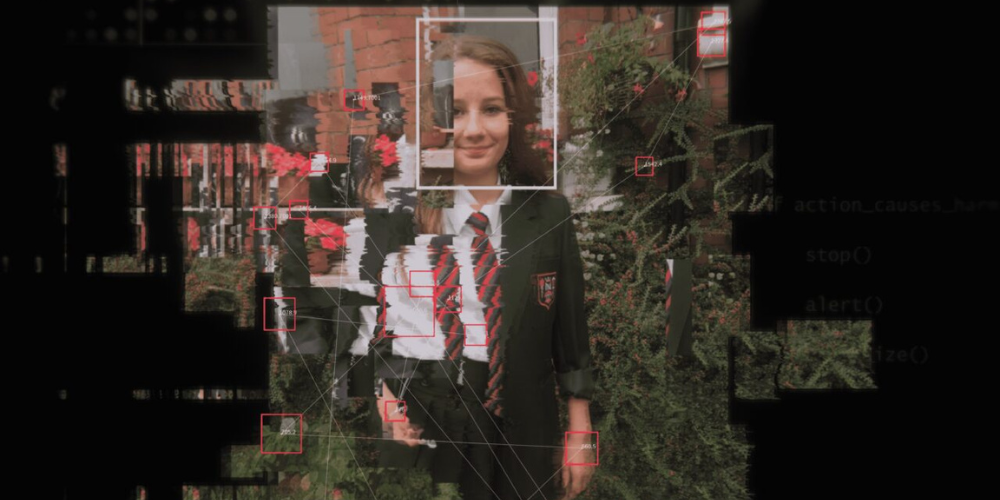
A detailed shooting plan indicating possible problems, screening the right issues and financing options doesn’t cause a problem. The actor’s faces can be rejuvenated or just changed, as women recognised their faces in pornographic productions. These «transformations are actually estimated to occur in 5.2 million cases, using «Deep Fake» technology without their agreement and knowledge.
Confronted with these challenges, the panel turned around on questions such as legality, transparency or a possible ethics code, even if there is, up to now, no clear and developed law to be applied to all these possibilities. Still, even a developed law would be confronted with the problem of to whom you can apply guilt in such complex proceedings. Finally, the predominant question remains of how exactly filmmakers in need of sources (and also concerned TV and radio stations) can recognise AI productions merely by seeing their results.
AI is used in all states of film production
As a consequence of not finding a convincing answer here, the media stations are busy creating a catalogue with detailed rules. One of the major questions is: How can AI segments be marked as such to create transparency, as text information integrated into the image, a watermark for authenticity (which can be falsified), in the credits, or as an announcement? Also, the journalistic rule to declare a fact only if it is confirmed by two different sources today becomes a paradox, if the value and recognition of a «source» itself is taken into question.
Here is the decisive point, for which the panel hasn’t offered an answer: How can the audio-visual works be controlled? So, in the end, the debate finished in a quite pale request of personal or team ethics, when trust in this media is broken, the whole genre of documentaries is at risk, as is, consequently, the concept of reality.
The fabricated high-tech documentaries, not only commanded by Netflix and Amazon, create new aesthetics and expectations. They even formed a new public and consumer group, which forced documentary filmmakers to use AI technology in post-production. On the other side, maybe a personal authentic documentary style without special effects and pushed thematics will come back as an opposing trend.
Daniel Sponsel, Director of Dok.fest München, proposed not to speak about AI but with it. He asked #ChatGPT: Can you write me a script for a documentary about AI? Some seconds later, he got the scene sequences, exposition, synopsis, and aesthetical advice. He asked: Can you write me a script for a poetic documentary about AI? Again, he got his answer after only a mere seconds. In the case where he repeated the question, he got a similar but different modified answer, which indicates he is not in dialogue with a program but is generating intelligence. He asked: Is letting AI write you a script morally and ethically legitimate? The answer: It is legitimate to use AI as a supporting tool, but the key is the responsible and transparent use of AI. Finally, he asked: Why is it morally and ethically not legitimate to let AI write a script for you? The answer: It is morally and ethically not legitimate to let yourself write a script because authenticity, responsibility, creativity and transparency are at risk here. A documentary needs human judgment, creativity and moral sensibility, which AI can’t offer.
Daniel Sponsel interpreted this answer as vague. I think the contrary is the case. Finding such a clear, short and immediate answer would be difficult, even in professional circles. Also, Sponsel interpreted the answer as a declaration by ChatGPT of not being willing to write a script, which is an assumption because AI (still) has no will. It is just a possible answer to a possible question.
Let’s resume with Werner Herzog’s self-confident statement, «A computer will not make a film as good as mine in 4500 years.» Piotr Winiewicz took this declaration very seriously and trained an AI on Herzog’s body of work. The result with the title About a Hero is the #IDFA opening film this year. Let’s see what happens. The possibilities of human creativity playing against AI’s complexity will be decisive.
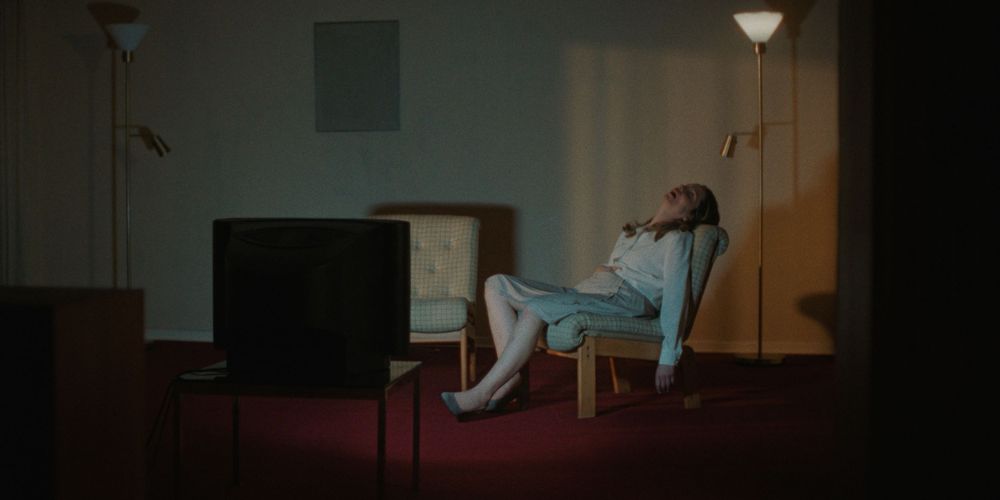
Also, as one panellist remarked, a dystopia for the film world is nearly in front of us. Soon, we will sit in front of our TV screen and pronounce some keywords about what we would like to see, and it will be delivered to us as a one-time product, only for us.