With the ongoing genocide in #Gaza unfolding before the eyes of what is officially deemed «the most civilised» yet revealing itself to be a passive and indifferent Western world, no rhetoric about international law or human rights – long dominant in global discourse and voiced by supposedly respected organisations – feels relevant anymore.
In this context, four short films from this year’s International Dox Competition at #DokuFest in Prizren, Kosovo (1–9 August) stand out as revelations that revisit the past to, if not confront, then at least to complement a more sober perspective on the present – one in which the dissolution of the myth of the West as a guardian of democracy and justice is becoming increasingly evident.
With Henry Kissinger labelled a «war criminal,» yet in the opening film The Helsinki Effect (Finland, Germany, Norway, dir. Arthur Franck) hinting at an unapologetically direct tone, DokuFest’s line-up revealed a clear inclination toward narratives that challenge the prevailing political speech heard in the West. Furthermore, the four shorts in question — We Were the Scenery (USA, dir. Christopher Radcliff; Best Film Award in the DokuFest’s International Dox Competition), In Retrospect (Germany, dir. Mila Zhluktenko and Daniel Asadi Faezi), Tin City (Ireland, dir. Feargal Ward), and The Ban (Ireland, Northern Ireland, dir. Roisin Agnew) – each return to moments of political manipulation, repression or totalitarian practices that happened within Western states or caused by them, and while seemingly confined to the past, they continue to haunt the present. By revisiting events as disparate as the #Vietnam War#, a 2016 racist shooting in Munich, the Ireland – Great Britain conflict, and #IRA terrorism respectively, reframing them through a contemporary lens, these titles expose the fragility and unsustainability of today’s democratic discourse, behind which histories appear to be selectively remembered, repurposed, or silenced altogether.

Extras in Their Own Story
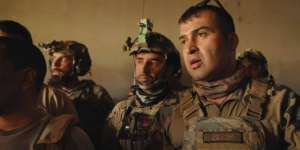
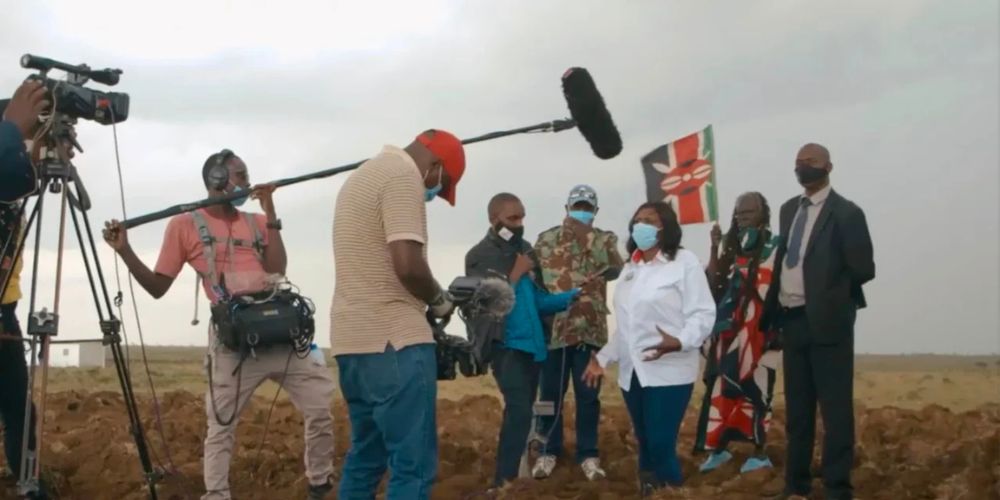
We Were the Scenery takes an unusual, personal, and ironic route into the memory of the Vietnam War. In 1975, just after the conflict’s end, the couple Hoa Thi Le and Hue Nguyen Che fled Vietnam by boat, surviving nine harrowing days at sea before arriving in a Philippine refugee camp. Soon after, along with nearly 100 other #refugees, they were recruited as background extras for the filming of Francis Ford Coppola’s Apocalypse Now, thus being thrown back into the hell they had escaped from, swept up by the major production, and cast as victims once again – this time on screen. When the army withdrew, Hollywood took over. And even though Coppola’s widely recognised masterpiece is an anti-war epic, disclosing the inhumanity of the US military machine, he came back with another army, packed with helicopters, uniforms, and an enormous budget for creating a simulacrum reality; as an impersonal corporate representative who did not care to know the anonymous men and women playing in his opus magna, busy instead using them once again to craft and impose on the world the American viewpoint about what happened there. Only 50 years later do Hoa Thi Le and Hue Nguyen Che get the chance to publicly share their experience on the set, humorously wrapped in a curious detail – that Coppola does not peel a mango before eating it; a brighter memory from this historic shooting period that stayed with them more vividly than any cinematic reconstruction of what they had lived through.
By intertwining the two characters’ recollections with fragments from the cinematic fiction of Apocalypse Now, the film collapses the boundary between lived history and its representation, dissects the enormous impact of cinema in a media-dominated reality, and unveils its more prosaic, even exploitative, behind-the-scenes. What emerges is a meditation on how #war is aestheticised, and how those who endured it can find themselves rendered mere scenery in someone else’s powerful narrative, even though their lives are far more involved in the actual background of the storyline.

Progress and Prejudice
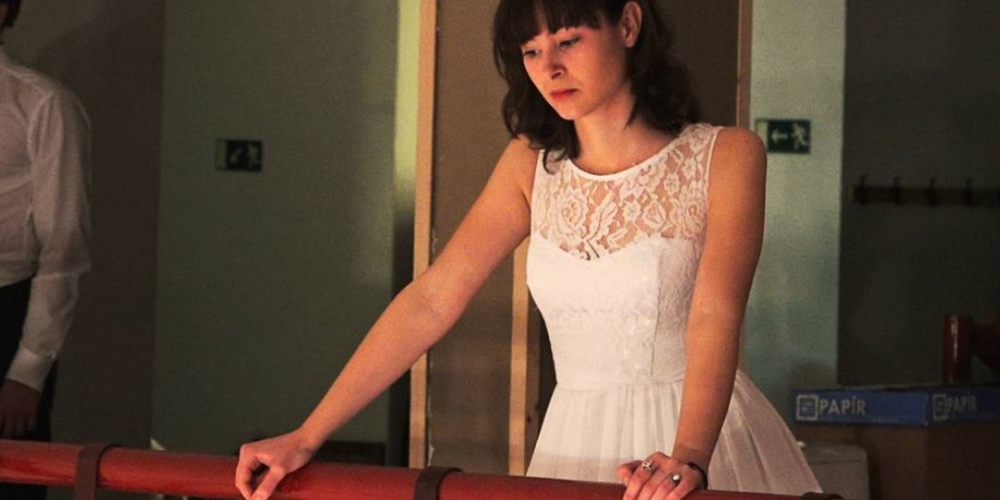
In Retrospect roots its research in a singular place: the Olympia shopping mall in Munich, a centrepiece of a district forged in the hopeful years before the 1972 Summer Olympics, complete with stadium, swimming pool, residential blocks, and a subway station. Built largely by migrant «guest workers,» the mall once stood as Europe’s largest beacon of internationalism and prosperity.
Yet, on July 22, 2016, this optimistic symbol of economic growth turned into an act of terror. An eighteen-year-old German-Iranian, who called himself an #Aryan, unleashed a far-right attack, killing nine people, from migrant communities. The date itself was no coincidence – it was marking the fifth anniversary of Anders Behring Breivik’s brutal 2011 attack in Norway, reminding of the broad hatred spectrum across Europe. In the meantime, there were state attempts to cover up the truth about what had happened – it took the victims’ families a long time to legally prove the nazi nature of the tragedy.
Between these moments, Mila Zhluktenko and Daniel Asadi Faezi stretch a cinematic bridge: in 1982, Iranian director Sohrab Shahid Saless captured the rising tide of #racism in Germany through his film Addressee Unknown, of which we see low-quality excerpts, as the film has been marginalised and not well preserved. The story follows a semi-separated German wife who begins an affair with an unemployed Turkish architect against a backdrop of racist graffiti on the streets and ironic commentaries on the slavery underpinning the German economic miracle, and the totalitarian demands of the capitalist order. Saless’ film was a response to the despair of #Semra Ertan#, a Turkish migrant worker and writer who, in protest against #xenophobia, set herself aflame in Hamburg, an agonising act etched into the collective conscience.
Blending these histories into a common thread, In Retrospect explores how public spaces absorb the ideologies of their eras; places once built in the spirit of openness have now become symbols of intolerance and stages for violently venting public tension. While the echo of Saless’s line – «And now this hate» – bridges past and present, revealing that prejudice and unacceptance in supposedly democratic societies are rarely eradicated, only veiled.

Training Day, Democracy Style
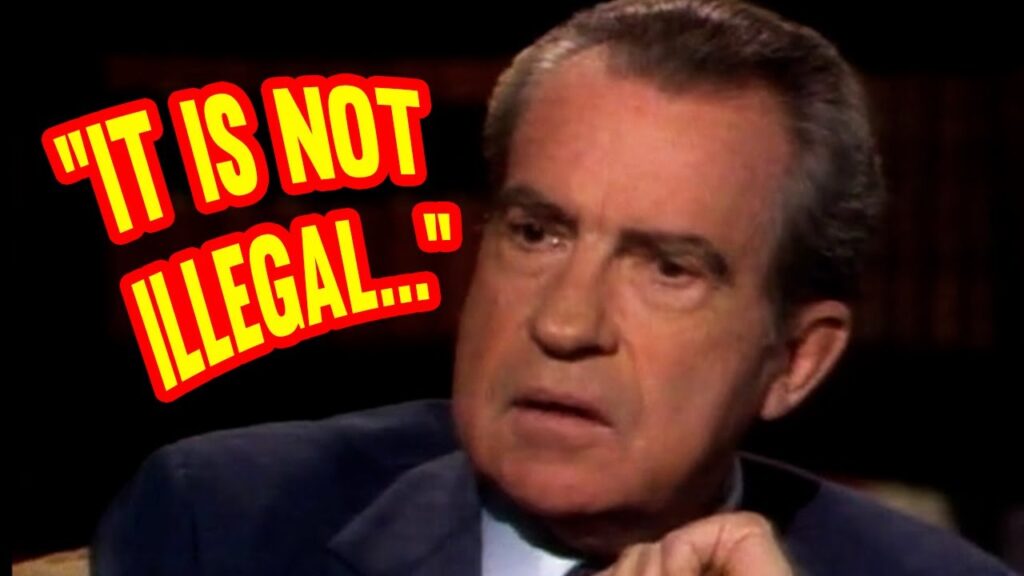
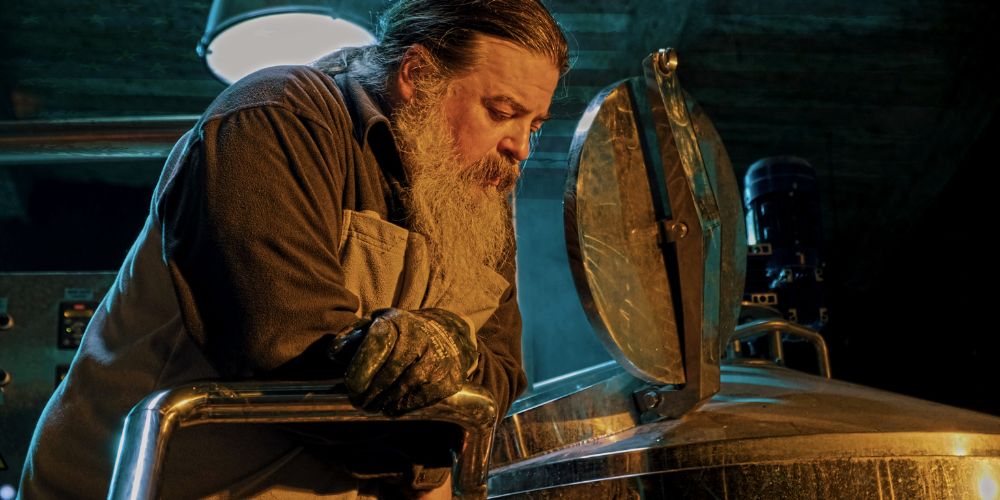
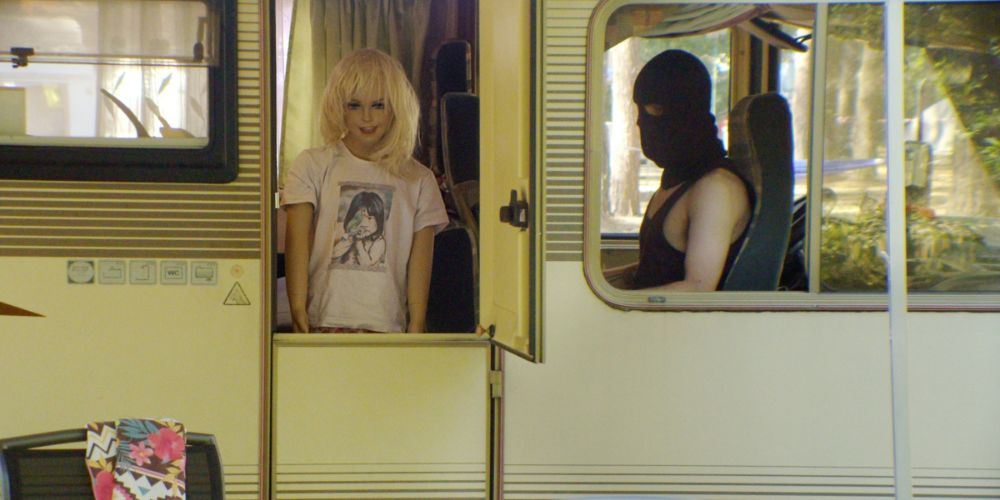
Tin City reveals the unsettling rehearsal of state violence conducted within democratic borders. The film opens with a puzzle of surreal, unearthed footage depicting an eerie, fabricated town: mannequin heads slowly rotating on mechanical platforms, repeated across the interiors of a bar, bank, and shop, each scene amplifying a sense of uncanny repetition. Gradually, a German television news frame anchors these fragments in a broader reality.
This concealed location, hidden deep in a forest in north-west Germany and known among insiders as «Little Belfast,” is in fact a secret British Army urban combat facility that has not been marked on any publicly available map. Designed to train soldiers for urban warfare during the Northern Ireland #Troubles, the film’s team spent days attempting to document its hidden existence.
The investigation deepens following the murder of a German woman married to a British soldier, expanding to include an interview with an IRA spokesperson whose testimony challenges the rationale behind such training grounds. Known also as #KillyMurphy, Tin City remained the primary British training site for Northern Ireland operations until the 1990s. Afterwards, in a cynical twist, the site’s Irish-themed facades were replaced with Serbo-Croatian signage, adapting the simulation for conflicts in the Balkans – without the film clarifying which side of the conflict it served and the eventual involvement of the British Army in that, leaving only guesses. In the early 2000s, a mosque was added to prepare soldiers for deployments to Afghanistan and Iraq, this time with its intended #NATO users made obvious by common-sense logic.
By uncovering this counterinsurgency apparatus, Tin City critically examines how democratic states covertly legitimise internal militarisation and reveals how such preparations both respond to and perpetuate cycles of political violence. It offers a sobering reflection on state power, which disregards ethics and ignores boundaries when military objectives are at stake.

Silencing Dissent
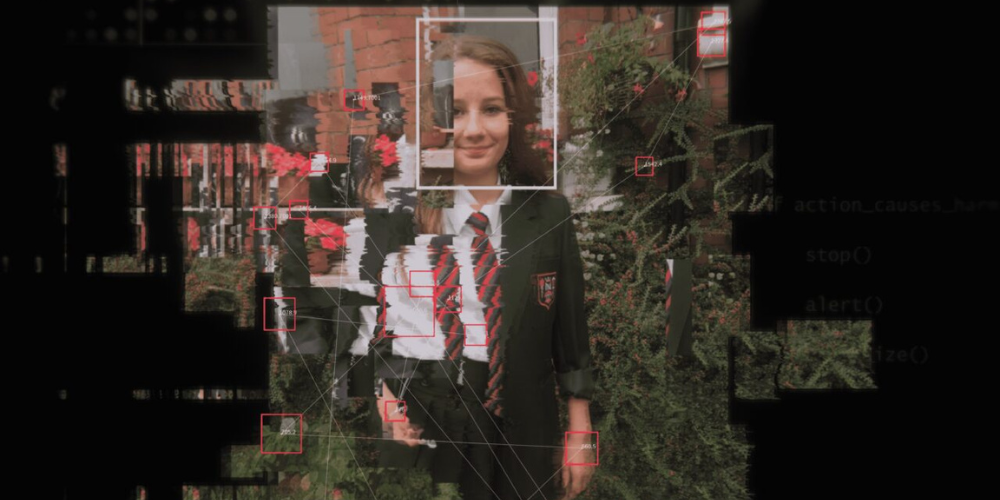
The Ban sheds light on another bizarre chapter of Northern Ireland’s Troubles. In 1987, faced with ongoing IRA violence, Margaret Thatcher’s government imposed a broadcasting ban that silenced the direct voices of IRA members and #Sinn Féin# representatives on UK radio and television. Yet, clever loopholes allowed media outlets to dub these voices with actors, with the notable intervention of the acclaimed Irish actor Stephen Rea, who voiced the Sinn Féin leader Gerry Adams.
Through a mix of rarely seen archival footage and candid interviews with Adams, Rea, and Sinn Féin’s press officer at the time, Danny Morrison, The Ban unpacks the absurdity and impact of this censorship. Morrison’s description of the ban as a «farce» perfectly captures the film’s sarcastic tone, which shows how the British government weaponised the threat of #terrorism to control the narrative and stifle free speech in a Soviet manner, otherwise fiercely criticised in the West – an irony the film itself points out.
What resonates deeply is the film’s timely reflection on how similar tactics are still used today, with states invoking security concerns to limit dissent. In this regard, The Ban is more than a historical account – it is a sharp critique of how democracies tolerate opposition only when it poses no real challenge to power. By exposing the mechanisms of censorship and narrative control, the film also challenges current practices of information eclipse – especially relevant in wartime conflicts, when political propaganda flows on both sides of the barricade.
Taken together, the four above-discussed works dismantle the illusion that democracy is inherently self-correcting.
Democracy Rewritten
Taken together, the four above-discussed works dismantle the illusion that democracy is inherently self-correcting. By returning to these histories – and to the places, bodies, and voices that carry them – these short films challenge the imperative image of democracy as fairly implemented and affirm that the past is not a closed book, but a living force that reshapes the democratic present in ways that often undermine its loudly proclaimed ideals.