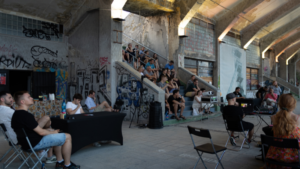
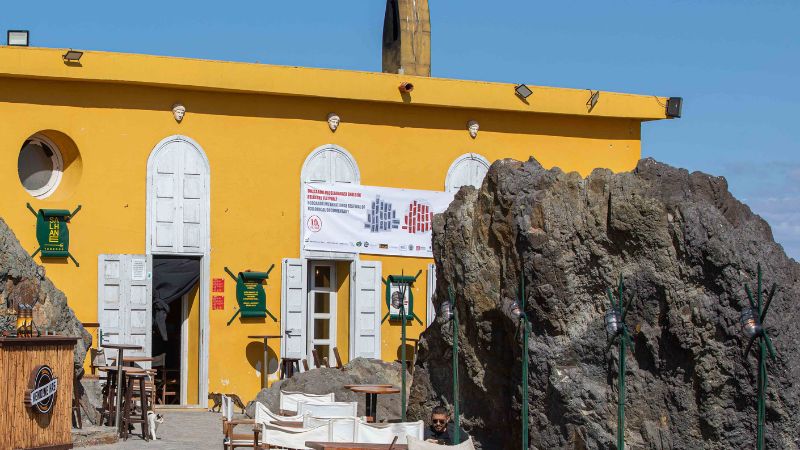
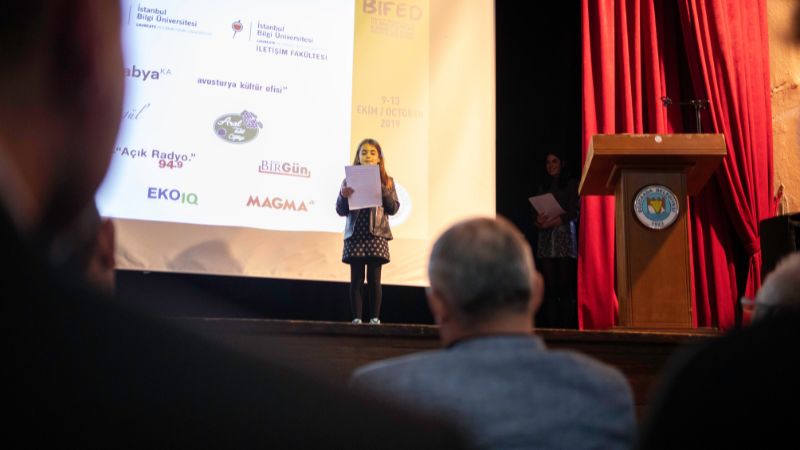
The 2024 edition of the Bozcaada International Festival of Ecological Documentary (BIFED) will be held from 9 to 13 October 2024 on Bozcaada, #Türkiye. As the country’s only festival exclusively dedicated to ecological documentaries, BIFED has become a significant platform for raising awareness about environmental and climate issues since its founding in 2014. The festival brings together a diverse group of participants, including filmmakers, environmental advocates, NGOs, and local communities from Türkiye and around the world. This year, BIFED will showcase over thirty films, carefully selected from more than 700 submissions, with a focus on themes such as the climate crisis, poverty, and the enduring effects of colonial legacies. As part of the Green Film Network, a global organization that connects environmental film festivals, BIFED is deeply engaged in highlighting critical global environmental issues.
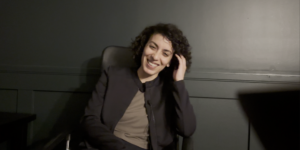
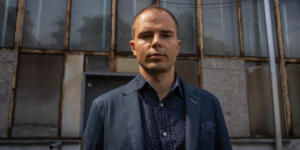
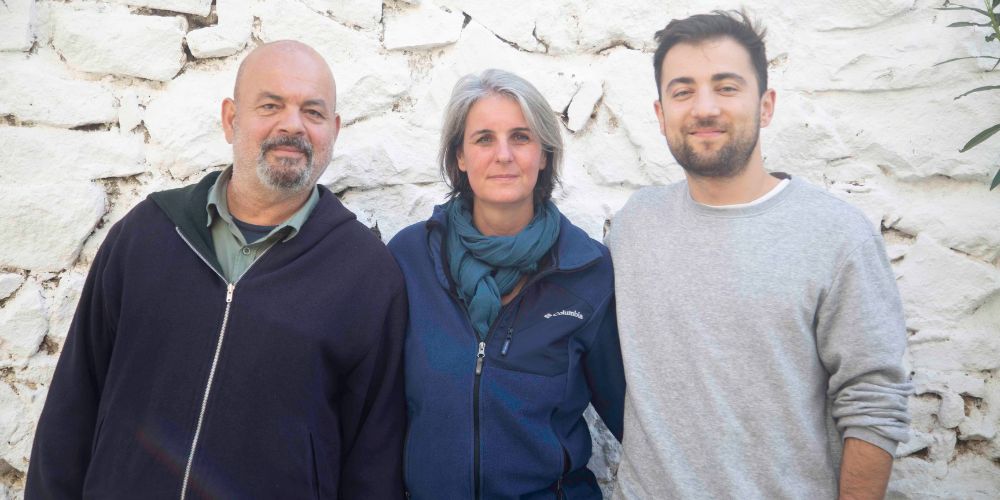
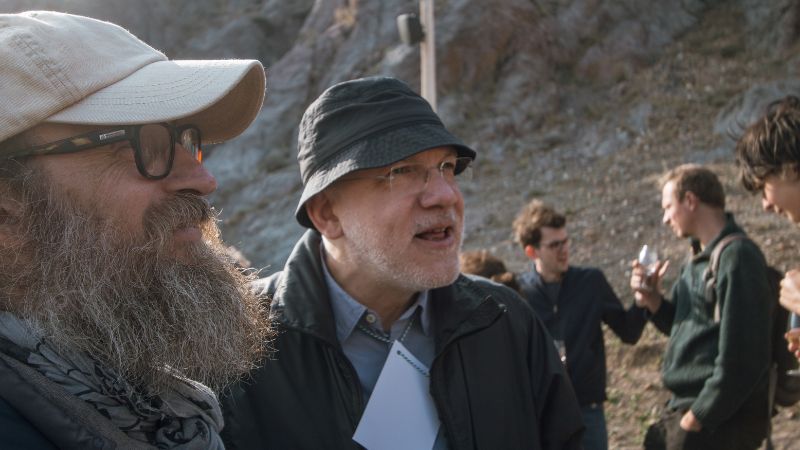
Ahead of its 11th edition, Modern Times Review spoke with Festival Coordinator #Ethem Özgüven# and Festival Director #Petra Holzer#, who share insights into the festival’s origins, mission, and the challenges and opportunities ecological documentary filmmakers face today.
Let’s start with the fact that this festival focuses on ecological documentaries. Why did you want to start a festival in this category? How do you define ecology in the context of a documentary film festival?
Ethem Özgüven: Well, we’ve known each other for over 30 years and started collaborating back then. In Türkiye, everything was about the left and right struggles—ecology wasn’t really on people’s minds. But in 1993, I won an award for a documentary scenario about hybrid tomato farming in Antalya. That’s when we started thinking about these interconnected topics. We made a film about the protection of Caretta Caretta turtles breeding space from a big hotel project in Dalyan, and from that point on, we realized that environmental and social issues are deeply intertwined.
Over the years, we’ve done numerous projects, including a 10-year-long effort focused on the resistance to the Bergama goldmine. That project opened our eyes to how long-standing environmental movements could develop in regions not traditionally seen as ecological battlegrounds. So, we’ve been immersed in these topics for a long time, even when environmentalism wasn’t as mainstream as it is today.
Petra Holzer: Through our experiences, we’ve learned that people with very different ideologies can come together on one issue: environmental protection. It’s a topic that unites people, even those who are politically far apart. For example, I’ve worked with people I don’t align with politically, yet we stand together on environmental issues. This is because, in many cases, people recognize that nothing is more important than protecting the environment. Whether you’re talking about clean water, air, or natural resources, everything stems from the environment.
If you look at the root causes of conflicts around the world—whether in #Sudan, #Egypt, #Congo, Türkiye, or #Russia—many of them can be traced back to environmental degradation. The fight over resources is a primary driver of conflict, and it transcends political differences.
It’s a topic that unites people, even those who are politically far apart.
In contrast, environmental issues and climate change are often deeply divisive in the U.S. Do you think this difference is due to political dynamics being more limited in your part of the world?
Ethem Özgüven: In Türkiye, it’s different. For instance, a Canadian, American, and Australian joint multinational gold mining project is happening in our mountains. Everyone, from the far right to the far left, has come together to protest it. Only a few people hired to work as security don’t participate in the protests. This shows that environmental issues can truly unite people across the political spectrum when there’s a real and direct threat to their surroundings.
You’re right about America, though. The U.S. is a difficult country to make sense of politically, especially regarding issues like the environment or the National Rifle Association. The political landscape is often fragmented, and environmental issues get caught up in that divide. But here, political divisions become less relevant when something directly affects people’s livelihoods, such as a mining project threatening a community’s water supply.
Maybe grassroots movements are the key to bringing people together on ecological issues. Globally, many believe #climate change# will affect us all, but the challenge is how to address it—especially when some profit from environmental destruction while others suffer.
Ethem Özgüven: Exactly. And that’s why the grassroots level is so important. When people feel the immediate impact of environmental degradation, like losing access to clean water or fertile land, they’re more likely to unite and take action, regardless of political affiliations. In our festival, we try to reflect these grassroots movements by showcasing films that document real struggles against environmental exploitation, often from the perspective of local communities.
Now, speaking practically about the festival, how do these issues reflect the overall program? Beyond selecting films that deal with various aspects of these ecological conversations, what other elements of the festival address these complex issues?
Petra Holzer: We curate a program with films from various regions and perspectives. We prioritize voices from the #Global South# and those directly affected by these issues. We also include films from the North, focusing on what their governments or systems are doing to other countries. The key is to present a balanced program that shows the impact of environmental issues and the resistance and resilience of communities fighting back.
Ethem Özgüven: I’d add that many of the world’s problems today, such as migration, are rooted in the policies of so-called developed countries. You often see documentaries from major film festivals where 80-90% of the subjects are from the Global South. These films often portray these regions as places full of poverty and struggle without addressing the root causes—policies of the #Global North#. We want documentaries that tell the full truth, not just sensationalize suffering.
For example, when we see documentaries about fishing communities in Senegal, they often focus on the poverty and declining fish stocks. But they rarely explain the bigger picture: international fishing fleets from Europe and Asia deplete the local resources, forcing these communities into poverty. This is the kind of truth we want to highlight—the systemic exploitation behind the scenes.
many of the world’s problems today, such as migration, are rooted in the policies of so-called developed countries.
I’ve had similar conversations with other festivals about how difficult it can be to address certain geopolitical topics. There’s often a reluctance to dive into deeper, more complex issues beyond the surface level.
Ethem Özgüven: Exactly. It’s easy to make a documentary about poverty in #Ghana or #Syria without addressing the reasons behind it. Many films show the aftermath without digging into the policies and exploitation that caused it. That’s why we look for films that go deeper.
When you say you’re looking for films that tell the truth, how do you define that? What criteria do you use to decide whether a film speaks to the truth?
Ethem Özgüven: Defining truth in documentary filmmaking is difficult because it’s inherently subjective. Every filmmaker has a perspective, and that shapes the narrative. However, we tend to look for films that provide context—films that don’t just show the surface-level problem but also explain the causes behind it.
For instance, a film might show the devastation caused by deforestation in the #Amazon. But a truthful film would also explore the reasons why deforestation is happening, such as corporate greed, weak environmental regulations, and the exploitation of indigenous land. We look for films that connect the dots and aren’t afraid to point fingers at the real culprits, whether governments, corporations, or international policies.
We look for films that connect the dots and aren’t afraid to point fingers at the real culprits, whether governments, corporations, or international policies.
From a programming perspective, how do you approach submissions? What are you looking for when you select films for the festival?
Petra Holzer: Every year, we receive films on a variety of topics. Over time, we’ve noticed themes emerging. For example, this year, many films tackle colonial history and its ongoing effects. These are high-quality films, and they often shape the overall theme of the festival. We didn’t necessarily plan to focus on colonialism this year, but when you see so many strong films on a topic, it naturally becomes part of the festival’s identity.
So, the submissions partly shape the themes?
Petra Holzer: Yes, exactly. The films often dictate the themes we explore. In past years, it was about #nuclear power or water scarcity. This year, #colonialism emerged as a significant topic, and it’s fascinating to see how filmmakers from different regions and backgrounds approach it from various angles. We try to create a dialogue between these films, allowing them to speak to one another and present a comprehensive picture of the issues at hand.
How do you handle the other aspects of the festival, like talks and workshops? How do you integrate those into the overall program?
Petra Holzer: We also try to connect the film program to local issues. For instance, mining, water, and biodiversity are ongoing topics in the region where we are. We hold discussions and workshops and sometimes invite local activists to engage with the audience. We also host small publishing companies and NGOs that focus on environmental issues, creating a space where people can interact and learn.
When you started the festival, was holding it in Bozcaada, a smaller, more remote location, always part of the plan? Or did you feel like you were pushed outside a place like Istanbul or another major city to do it the way you wanted?
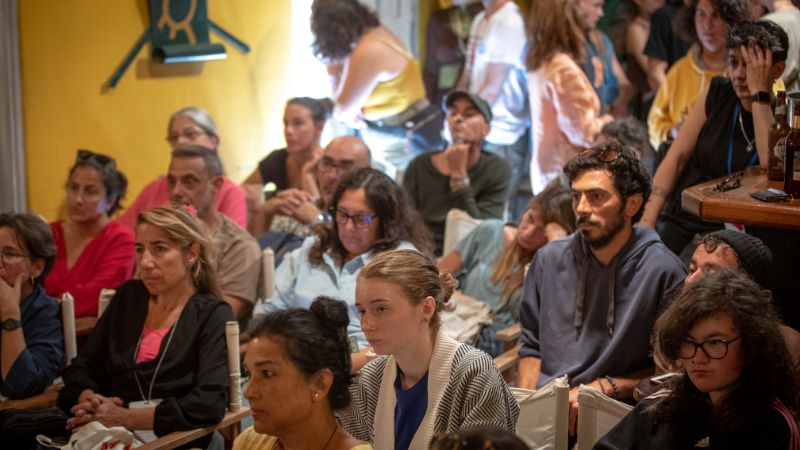
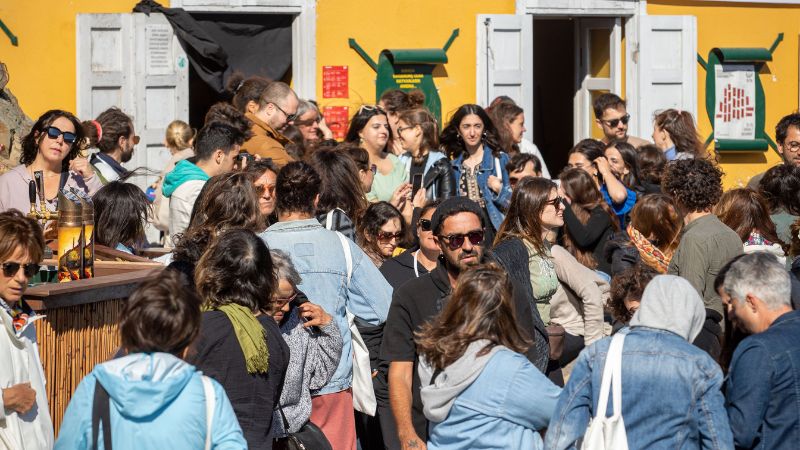
Ethem Özgüven: No, we never thought about doing it in Istanbul. There’s an «inflation» of everything in that city—people, apartments, cars, festivals. You go to a documentary screening in #Istanbul; sometimes, only seven people watch a film. That’s not what we wanted. We wanted to do something more intimate. Our salons are always full on the island because people come here specifically for the festival. The locals look forward to it all year. It just wouldn’t make sense to hold it in a big city. There are already 10 or 15 festivals in Istanbul—short films, documentaries, experimental films, you name it. Plus, some salons already show international films regularly, so the need for something new isn’t there.
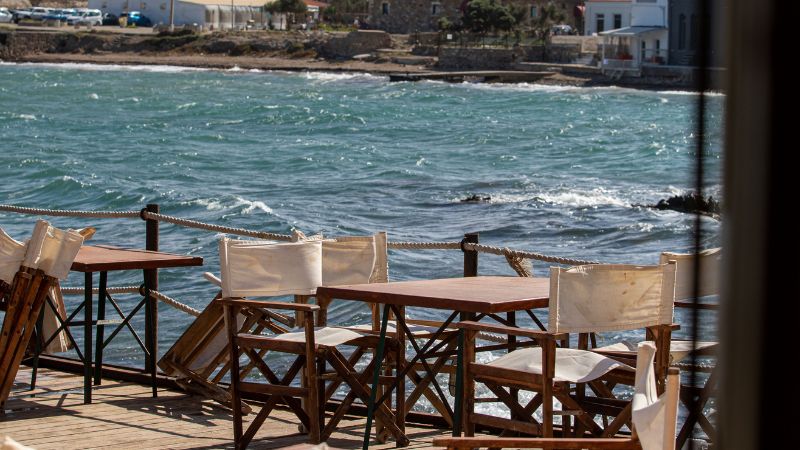
From the beginning, we knew we wanted to do the festival in a small place. We tried it in Gökçeada, another island about two hours away from Bozcaada, and it was brilliant. Many people who had left Istanbul to escape the city’s chaos had moved there. They were looking for something like this, just like we were.
From the beginning, we knew we wanted to do the festival in a small place.
Was there a lot of initial interest from the locals, or did you have to put in much effort to build that interest initially? I’m not necessarily asking about their interest in the films’ topics, but more about getting them to come to the cinema. Was it an instant hit, or did you have to nurture it?
Petra Holzer: We had only five months to put together the first festival, and we worked closely with the local municipality. The interesting thing is that the island actually had four cinemas back in the 1960s and 70s. So, there was already a tradition and interest in film culture, but cinemas were closed for years. The island’s residents were already waiting for something like this, so we didn’t have to foster the interest from scratch.
One week ago, we visited an island with nine small towns and a centre, and they had about 15 cinema salons in the past. Greeks and Turks lived together there, and there were four cinemas in one small town alone! There’s even an academian named Ayşe Par Toy who did a study on the cinemas in Gökçeada, and it’s fascinating. So, the tradition of cinema was already there, both with the locals and the people who moved there from Istanbul, İzmir, and Ankara.
Because we spend part of the year on the island ourselves, we had natural communication with the community. We put up posters and talked to people about how they could get involved, offering rooms or other services. I remember being nervous before the first screening, thinking, «What if no one shows up?» But there was a line out the door.
How many people are we talking about?
Ethem Özgüven: Bozcaada has about 800 to 1000 residents in the winter, and almost all of them are involved in the festival in some way. If they’re not attending the screenings, they’re offering rooms for guests or providing food from their bakery or restaurant. Everyone has a stake in the festival, one way or another.
One thing I wish I could change is the involvement of some of the wealthy people on the island. Despite the festival’s popularity, some richer residents don’t even bother attending. On the other hand, we have long-time supporters, like our first sponsor, a wind energy company that has been with us for 11 years. Some hotels even offer all their rooms for free. So we have a lot of support, but it’s sad to see some wealthy people not engaging at all.
Everyone has a stake in the festival, one way or another.
What about your relationship with the local and national government? Do you receive any funding from them?
Ethem Özgüven: We don’t have any financial support from the national government, and honestly, we don’t seek it. But the municipality is the creator of the festival. When we first approached them and said we wanted to organize this festival, they immediately agreed to be the main sponsor. They’ve been very supportive since the beginning.
And they’ve never interfered with the programming?
Petra Holzer: Never. When we started, that was one of our biggest concerns, but they’ve been fantastic. They don’t interfere with the program at all, which is exactly what we hoped for.
Where do you see the festival going from here? I remember you mentioning something about creating a network of island film festivals. Is that something you’re actively working on?
Ethem Özgüven: Yes, we’re working on forming a network of island film festivals. We’re now connected with the communities on Limnos, Bozcaada, and Gökçeada and have a three-island event. The idea is to continue expanding this network, though we’re realistic about how much time and energy it will take. We don’t want to overextend ourselves.
When we started the festival, we had hoped that at least one of us would eventually get paid for our work. But 11 years later, it’s still mostly volunteer-based. About 20 people work on the festival, but only six or seven are involved year-round. Petra, in particular, has a lot on her shoulders. Every year, she has to train new students to help, and that’s exhausting.
So, one of our goals for the future is to find a way to pay the core team. It’s just not sustainable to keep running it on volunteer power alone. The island festival network idea is part of that vision. It would allow us to spread some of the work and share resources with other festivals.
Petra Holzer: And it’s not just about the festivals themselves. We’re also building relationships with smaller groups and organizations across Türkiye. For example, there are local film days or small community screenings, and we help them with programming, contacting filmmakers, and organizing screenings. It’s all part of creating a larger network of passionate people about documentaries and the issues they cover.
Ethem Özgüven: Exactly. And sometimes, the connections form organically. For example, we made a film about a gold mine in Türkiye, and someone from Romania translated it and screened it for over 5000 people there because Romania has its own issues with gold mining. These kinds of connections happen naturally when people share common struggles.
These kinds of connections happen naturally when people share common struggles.
That seems like a sustainable approach.
Ethem Özgüven: Yes, we already have a solid foundation, and now we’re working on spreading that out to other places. In Türkiye, for example, there are many smaller festivals or film days that we support. Through our network, we’ve also connected with an association in Spain’s La Rioja region, another exciting development.
One challenge is that Türkiye is often overlooked by European cultural funding bodies, so we have to look elsewhere for financial support. But we’re making progress.
Petra Holzer: Honestly, there have been many moments where we’ve wanted to give up. The exhaustion, the risks—it can be overwhelming. But then we meet people like you, and it reminds us why we started this festival in the first place. I see something completely different when I look at big festivals like #IDFA. They’re great festivals but operate on a different level, with big sponsors and a huge infrastructure. What we’re doing is more personal, more grassroots.
It sounds like your festival fills a unique space in the landscape.
Ethem Özgüven: We want to keep it small, intimate, and meaningful. We’re not looking to grow in size, but we do want to share what we’ve built with others who appreciate our approach. It would be ideal if we could form a network of like-minded festivals.
Petra Holzer: It’s not about becoming bigger; it’s about creating connections. The more connections we have, the easier it is for other communities to host their own festivals or screenings. It’s getting harder and harder to start something from scratch, so if we can share our experience and resources, we’re happy to do that.
One challenge is that Türkiye is often overlooked by European cultural funding bodies, so we have to look elsewhere for financial support.
I think that’s a great place to end the interview. Thank you both so much for your time and insight.
Ethem Özgüven: Thank you. If you have time, watch the films we recommended—Christopher Walker’s Spears from All Sides, Jung (War) in the Land of the Mujaheddin by Alberto Vendemiattti and Fabrizio Lazzaretti, and The Fever by Katharina Weingartner. They’re great films and worth your time.