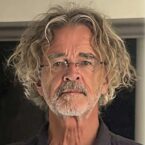
Porto/Post/Doc Film & Media Festival aims to foster film culture, screening new forms of contemporary cinema as a ainema of the real festival in Porto, Portugal. With its 2019 edition occurring 23 November – 1 December, Modern Times Review spoke with the festival’s director, #Dario Oliveira#.
Does your «Identities» program reflects the urgency of talking about us?
We will present new ideas along with unique films and discussions with special guests:
First against violence of any kind, then about the state of Cinema, along with a permanent intention of creating discussions around the theme, as it intends to be a continuous observation on this challenging field of free-thinking. Both political and personal views.
You are asking – what’s wrong with our contemporary societies, as everybody seems lost?
Yes, but also how our first identity does affect us, how our daily actions are limiting and stretching us towards others. Can we forget our identity or try to find a new one? Our main program will provide ways to think, with films who create wider reflections on this subject. A major example is the discovery of a risky and poetical film on the absence of memory about Palestine, named Off Frame AKA Revolution Until Victory by Mohanad Yaqubi.
Yes, we have reviewed it here in MTR now. What about using older films in your program?
This program includes a selection of contemporary films in dialogue with old
and lost films, like the extraordinary De Quelques Evenements Sans Signification by Mostafa Derkaoui censored by the Morocco Government in 1975.
Other examples on the topic of identity?
«Identities» will display a kaleidoscopic collection of artistic and political statements, sometimes revelatory, sometimes disruptive like the film X&Y by Anna Odell, constructing a brave social experiment. The films will contribute on a very particular way to build a broader and coherent perspective of our times, our problems, our ways to survive and how we relate with each other.
Documentaries, experimental and fiction films, like the beautiful Lost, Lost, Lost by Jonas Mekas as a major example, showing a relevant story and individual perspectives about identity, from the cultural, social and historic field.
You have mentioned «rebel cinema», what is this?
This approximation is only possible with a deep dive into a rebel cinema, free from cultural ideologies, far from the news, far from populist personalities. This also includes forgotten films and subjects, giving a new life to old film collaborations, like Portrait of Jason by Shirley Clarke, or the new She is the Other Gaze by Christiana Perschon – rescuing authors and stories of women who were victims of censorship.