Ibelin, A New Kind of Wilderness
Director: Benjamin Ree, Silje Evensmo Jacobsen
Norway
Two Norwegian docs were selected for the World Cinema Documentary Competition at this year’s #Sundance Film Festival in January – and both ended up winning top prizes. Silje Evensmo Jacobsen‘s A New Kind of Wilderness (Ukjent landskap) was awarded the Grand Jury Prize for best film, while Ibelin by #Benjamin Ree# won both the Directing Award and the Audience Award. A few days later, Ibelin was awarded the Dragon Award for best Nordic documentary at the Gothenburg Film Festival.
The two documentaries are somewhat different, but have some features in common. Not least that they are both deeply moving films.
A social gaming world
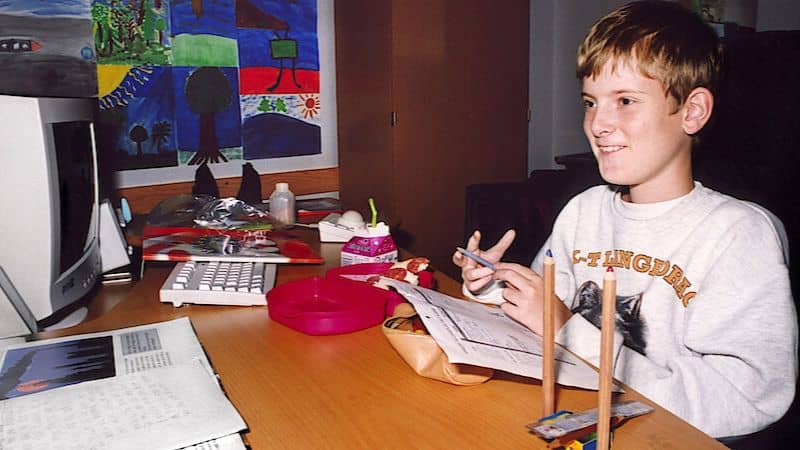
Ibelin tells the story of Norwegian gamer #Mats Steen#, who suffered from #Duchenne muscular dystrophy and passed way at the age of 25. The rare disease caused major limitations to his physical mobility, but instead, Mats spent much of his life in virtual worlds online. Especially in the game World of Warcraft, through his avatar Lord Ibelin Redmoore.
When Mats died, his parents, Trude and Robert Steen, were not least mourning all the things he had never got to experience. Then they were contacted by a number of people from both #Norway and abroad who knew Mats through World of Warcraft – and discovered that their son’s life had been far richer and more social than they assumed.
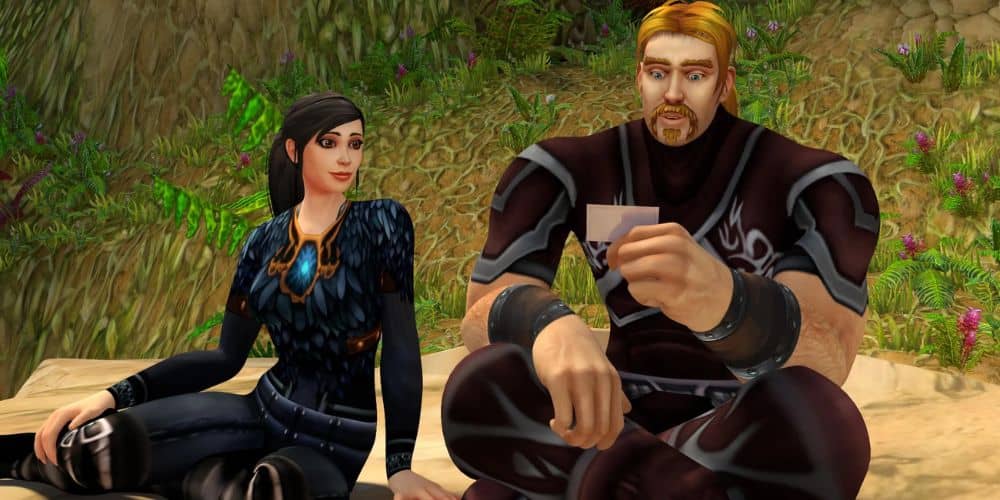
The story of Mats ‘Ibelin’ Steen first became known through a 2019 article by Vicky Schaubert at the Norwegian Broadcasting Corporation NRK’s website. However, the documentary encompasses more than the article – and makes excellent use of the story’s cinematic potential. Large parts of Mats’ life were filmed by his father, providing rich and valuable video footage for the doc. In addition, the players’ communication in World of Warcraft was logged, and through this extensive documentation, Ibelin reconstructs scenes from the game. With these sequences, the film takes the audience into the virtual world where Mats was able to live a full social life. Here, he made friends to whom he was highly important, initially without telling them about his fatal illness and being a wheelchair user. Eventually, however, he published a blog, which is the basis of the documentary’s voice-over narration, where he wrote about this.
recreating Mats’ digital life in World of Warcraft makes Ibelin an innovative documentary in terms of form.
Fresh and innovative
The film also contains more conventional interviews, but particularly the recreation of Mats’ ‘digital life’ in World of Warcraft makes Ibelin fresh and innovative in its form. This is combined with an admirable sense of structure and dramaturgy by the director, whose previous documentaries include Magnus (about Norwegian chess champion Magnus Carlsen, 2016) and The Painter and the Thief (2020). A good example is how Ibelin first summarises Mats’ ‘offline life’ until his early death – and then rewinds to convey the life he lived through the internet, unknown to those closest to him.
Apparently, the director and his producer made the documentary, including the sequences created with models from World of Warcraft, without permission from the game’s rights holders, Activision Blizzard. Instead, they sought – and got – the necessary permission when they presented the almost finished film to the Microsoft-owned gaming company. Certainly a brave strategy, although the executives from Activision Blizzard probably felt it was in their interest to support the documentary, which highlights positive aspects of their online game. In light of all the concerns that are raised about young people’s extensive use of digital screens and platforms, this feels like a timely nuancing.
Back from nature
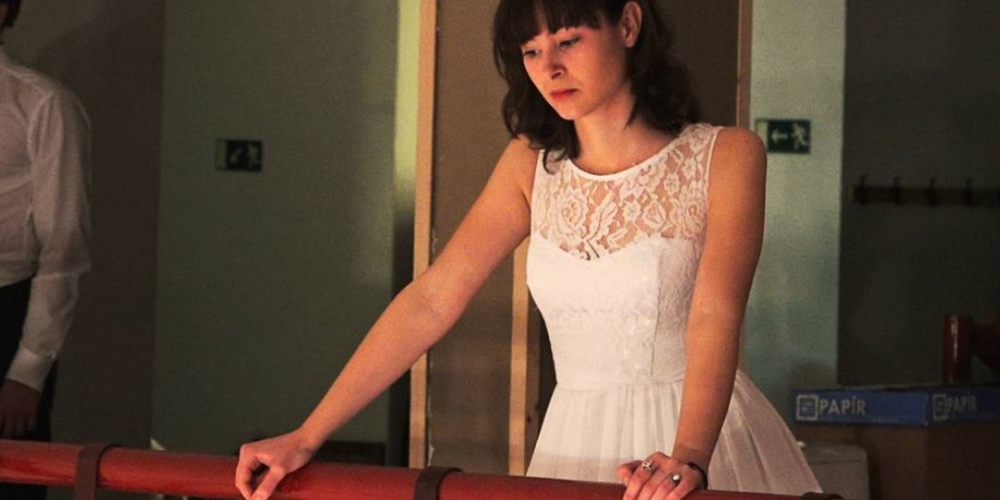
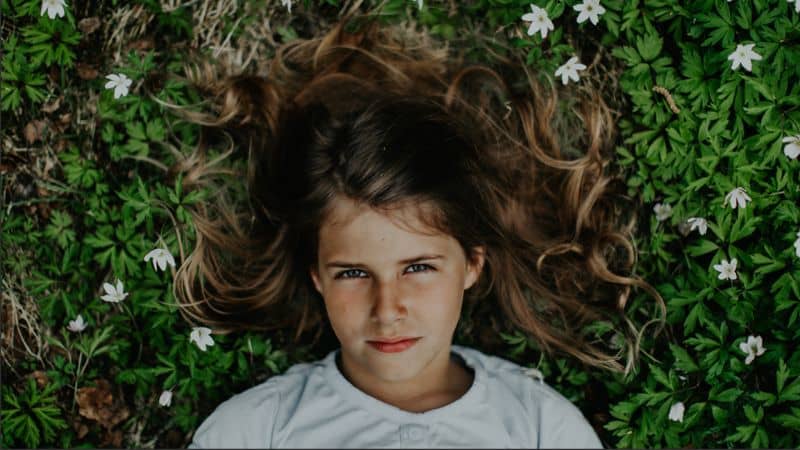
A family affected by loss is also the starting point of the film by Silje Evensmo Jacobsen, who has previously directed the feature doc Faith Can Move Mountains (2021). A New Kind of Wilderness depicts a family who has chosen to live self-sufficiently in harmony with nature on a small farm surrounded by forest, where the two parents homeschool their children. But when the mother, Maria Vatne, dies of #cancer, British-born husband Nik Payne finds it difficult to maintain the lifestyle for the family, despite his desire to honour her wishes. The film follows Nik and his children’s approach to the more modern Norwegian society without wanting to break with their ideals and principles completely. This is conveyed in a nicely nuanced way in the film, showing both the joys and challenges within the dilemmas the family is facing.
An existing blog has contributed to certain narrative elements in this film too. On her own website, Maria, who made her living as a photographer, documented the family’s life and lifestyle in text and images. Her still photos give Maria a strong presence in the film, along with observations and reflections from her blog (read by an actress) used as narration. Apart from this, A New Kind of Wilderness is a purely observational documentary, which gets impressively close to the people it follows. Again with a well-functioning dramaturgical curve through the film, plus a keen eye for mood and details.
Grief is a more prominent theme in A New Kind of Wilderness than in Ibelin. Nonetheless, both films provide heartwarming portrayals of a person who is no longer alive but has left a deep and vibrant impression – and is still very much present in the lives of those left behind. Towards the end of A New Kind of Wilderness, this is expressed in a poetic and touching way by one of Maria’s children.
Stories like these can easily feel overly sentimental and even manipulative in their attempt to make the audience reach for their handkerchiefs. One needs to look no further than the videos in one’s own #social media# feed to find some of the more cheesy or cynical examples. However, both Ibelin and A New Kind of Wilderness are genuinely moving documentaries that manage to avoid these pitfalls. The films tell intimate and in-depth stories about distinctive individuals that we feel genuine affection for, while also giving enriching perspectives on our social lives.
Ibelin and A New Kind of Wilderness will be screened in the Norwegian competition at the Human International Documentary Film Festival in Oslo on March 4-10.