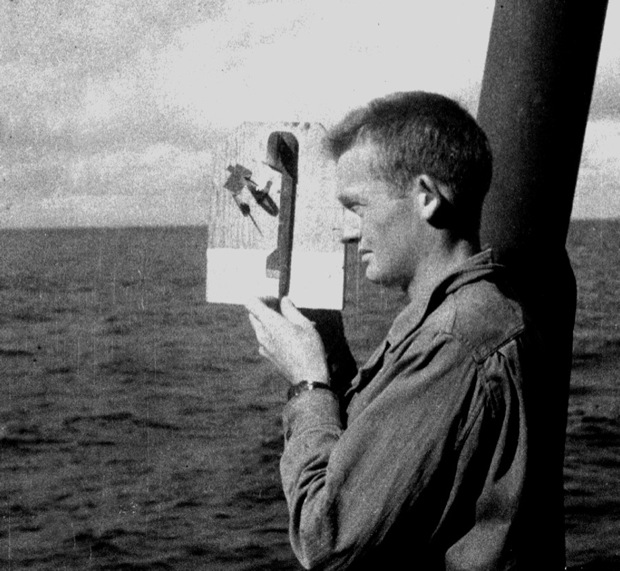
SHorter!
In this issue of DOX we have two feature articles on short docs (pages 8-12), and a bundled DVD with seven shorts

In this issue of DOX we have two feature articles on short docs (pages 8-12), and a bundled DVD with seven shorts
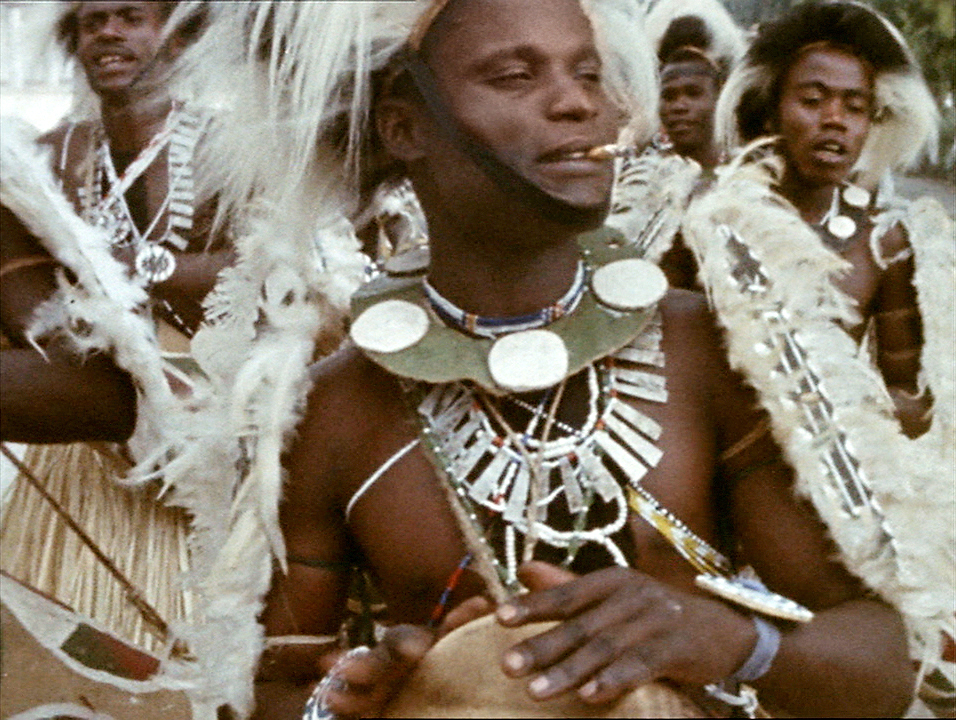
Doclisboa 2011 showed a rich retrospective of documentaries on the liberation movements of the earlier Portuguese colonies in Africa.
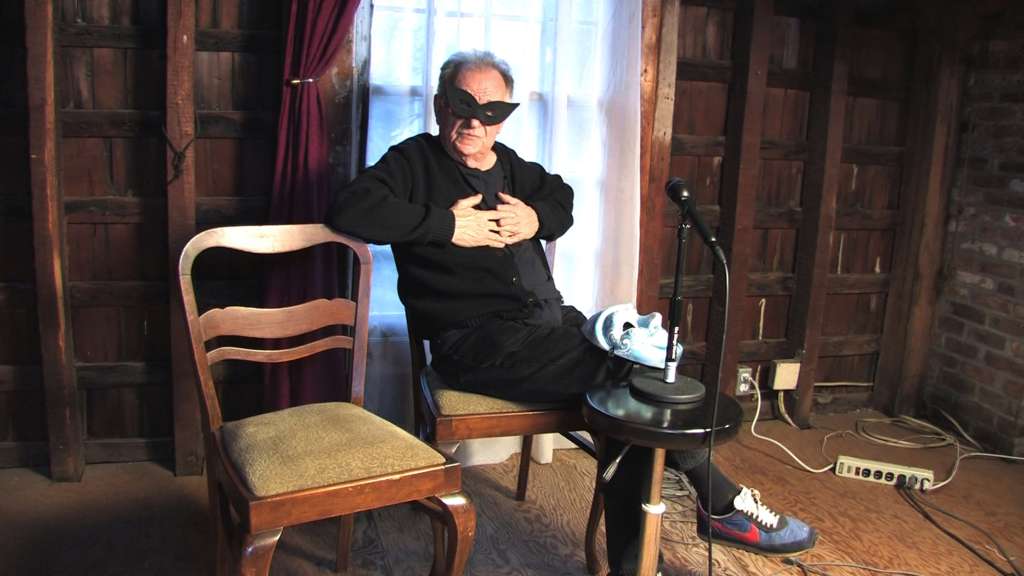
Bert Stern’s photographs blurred the line between art and commercial photography.
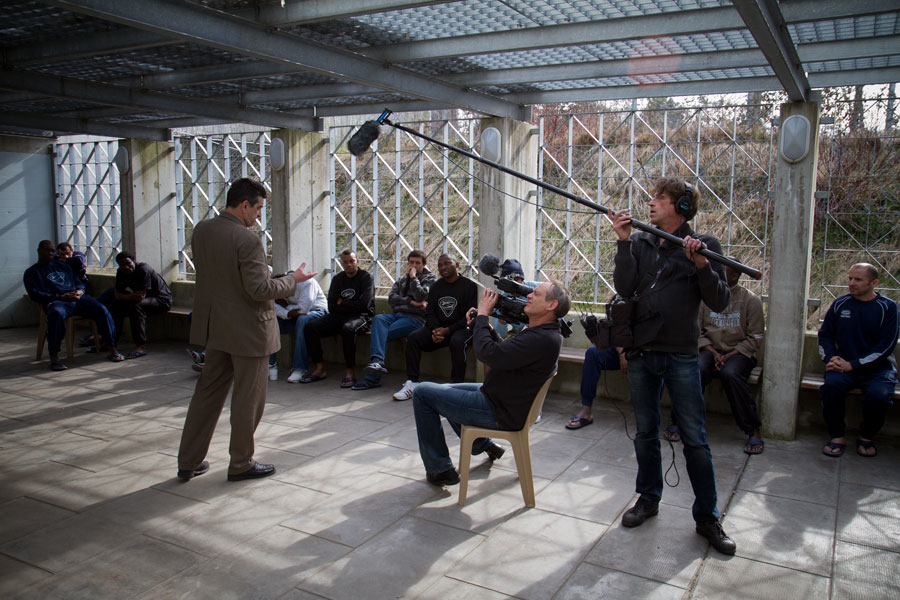
DOX Leipzig screened two films that deal with immigration and deportation while contemplating notions of home and homelessness.

Eyal Sivan prefers to make documentaries about the perpetrator rather than the victim. His latest film, Common State, advocates a one-state solution in Israel. Truls Lie met Sivan in Tessaloniki.
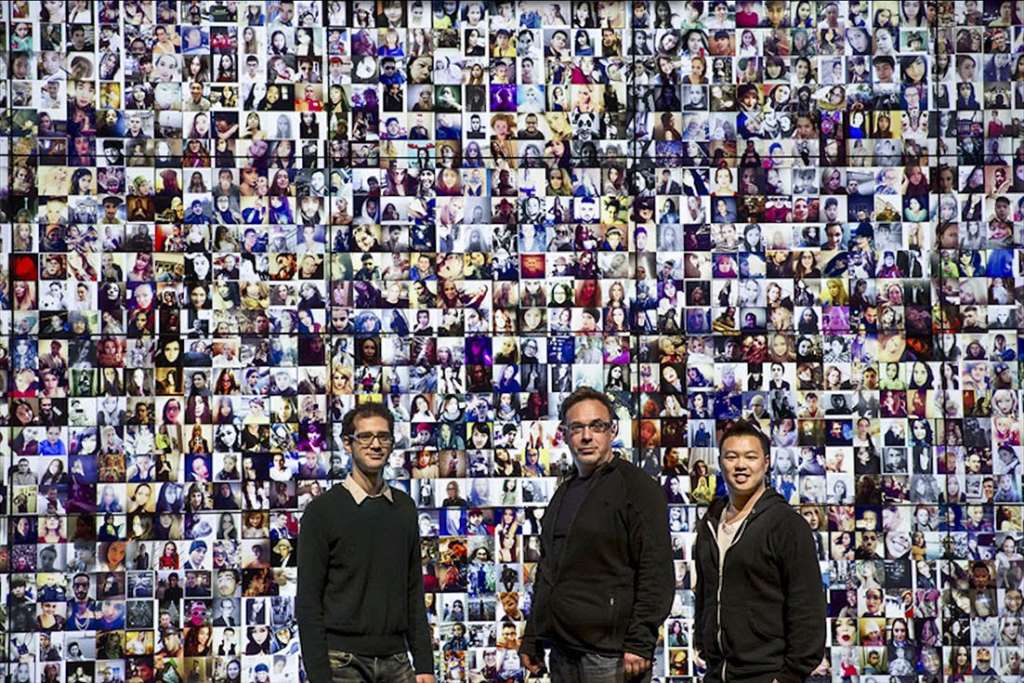
Vertov was no fan of fiction films. He considered them a kind of “opium of the masses” with their manipulative content and dreamlike scenes. Today, Perry Bard’s project uses him as an example of how digital culture can transform and recreate the film as medium.
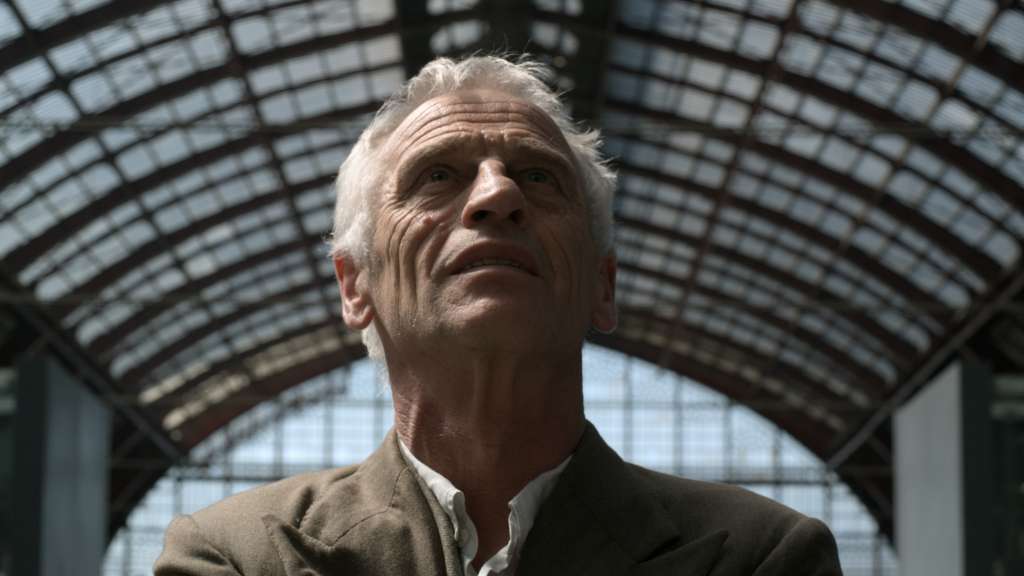
RAILWAY: Impressive are the many thoughts, ideas and pieces of information. Also the images, constantly moving, the sounds and music and, above all, the continuing voice of the Traveller.

«No real social change happened without pressure, without force,» insists Daniel McGowan, an imprisoned former member of the Earth Liberation Front.
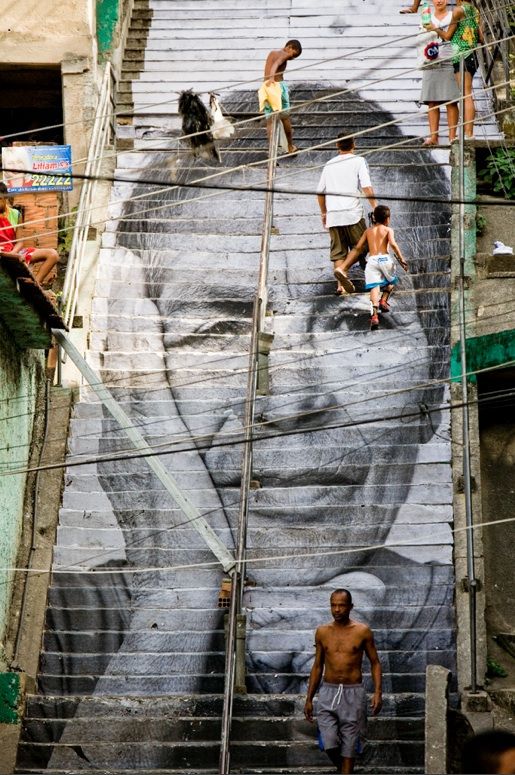
The director’s artistic vision is to dress environments and surroundings with images of the women’s faces and eyes. To let the world know that they exist. It’s a visually energetic documentary about the power of images; but can an image change the world?
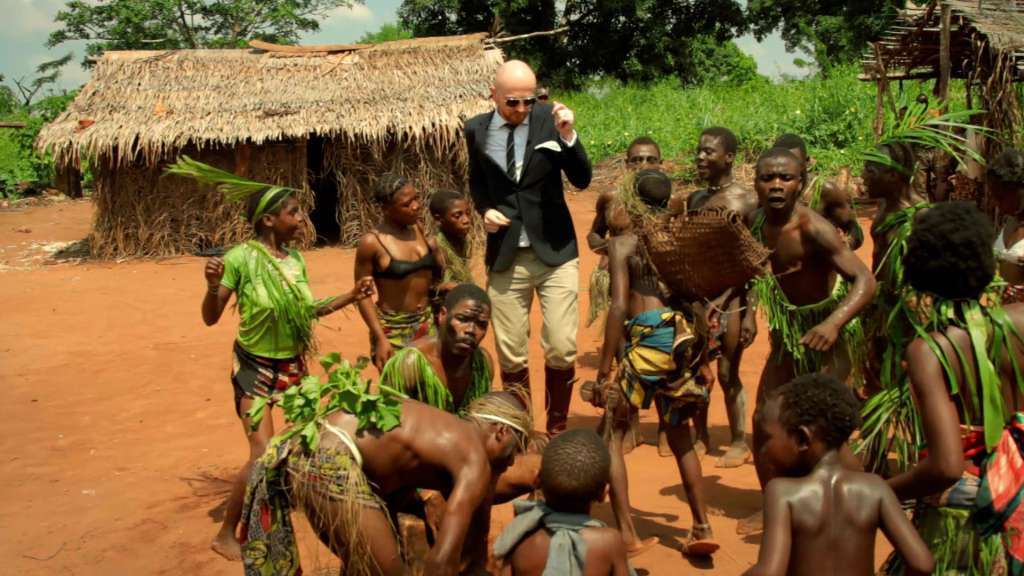
In attempting to break down stereotypical images of Africa, Mads Brügger’s latest documentary The Ambassador creates just another stereotypical image.

This films questions outdated ‘war on drugs’ policy, and suggests alternatives with examples from Evo Morales’ Bolivia. Today US funding has created civil war-like conditions involving the army, drug lords and political opportunists.