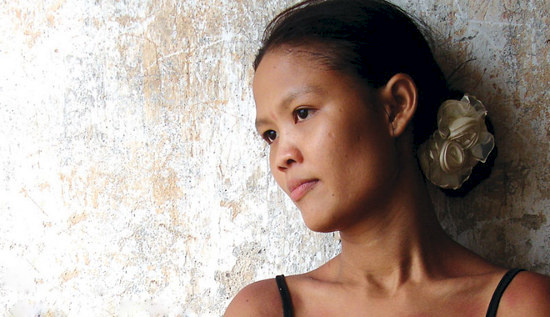
DOCLISBOA 2007: Films for the Senses
The fifth Doclisboa festival reminds us that documentary film is an art form, speaking to the intellect, the emotions and the senses

The fifth Doclisboa festival reminds us that documentary film is an art form, speaking to the intellect, the emotions and the senses
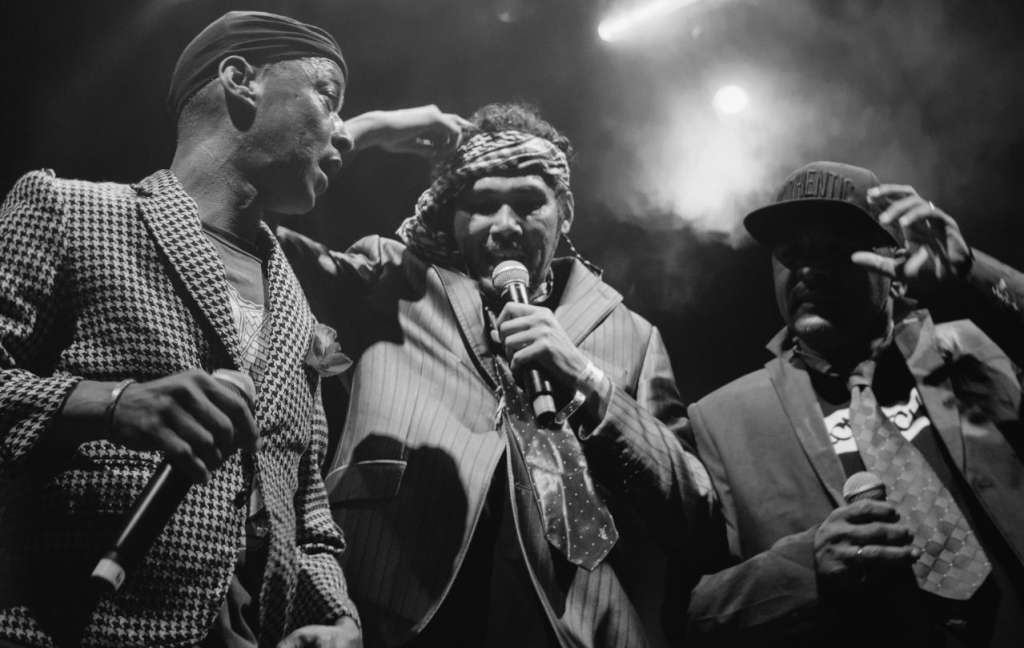
Two South African film students made a feature-length music documentary on a budget of only one thousand euros and it was well received at the Encounters Festival. Lots of issues to explore but no money for production is the reality for these new filmmakers
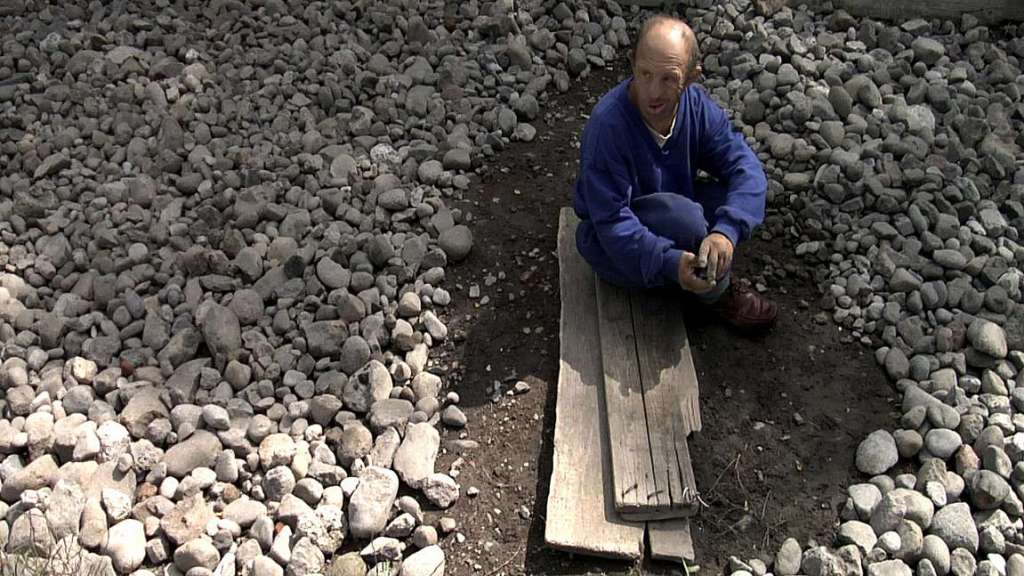
Romania’s documentary filmmakers have formed an association and are lobbying intensely for more funding and national TV support for docs. And things are moving.
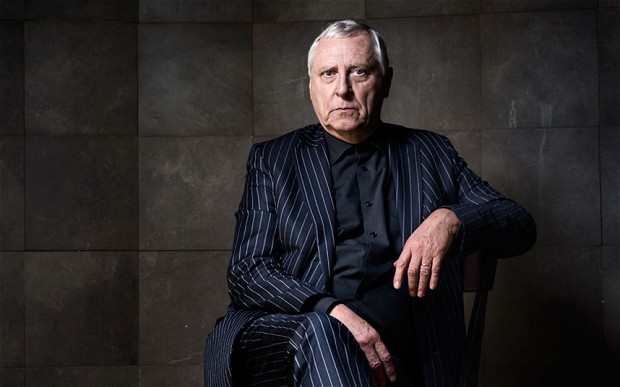
“I don’t want to have an ‘opinion’,” film director Greenaway tells me as we meet in Trondheim. “My films afford me the opportunity to play with language, and language is infinitely more interesting than content,” continues the then 66-year old Briton, after declaring film dead. I am probably one of many who would prefer Jean-Luc Godard’s view on film history and his will for political change.
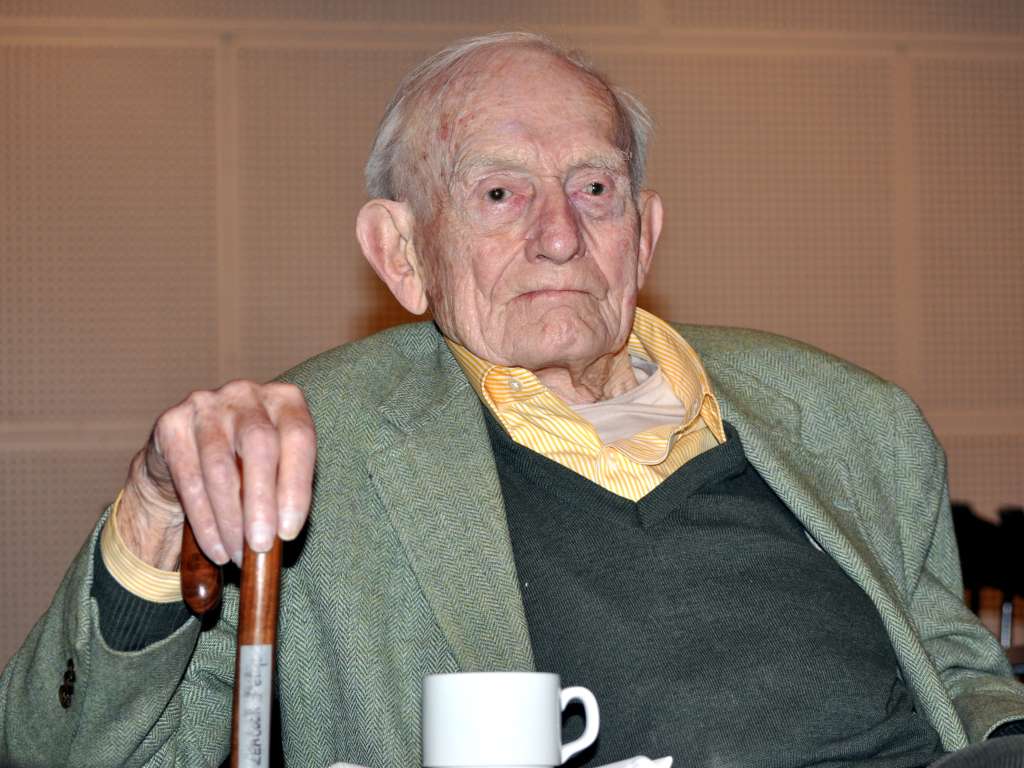
The film truth: The legendary cinematographer Richard Leacock died this year, nearly 90 years old. We were one of the last to interview him. Like what does the old-timer think about contemporary camera technology?
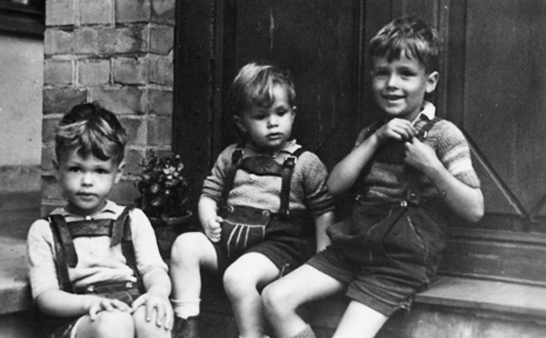
“Sons” is a family chronicle showing the clear hand of Volker Koepp

Péter Forgács is well-known as an experimental filmmaker, as an artist who expertly re-arranges found footage in ways that meditate on memory and history
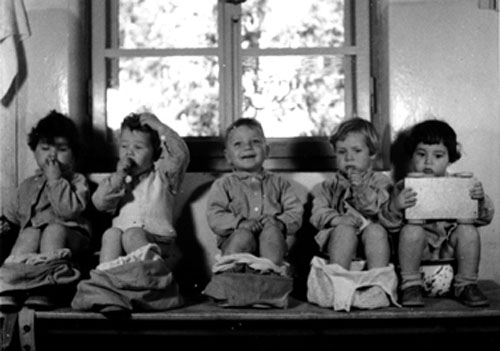
The Kibbutz idea was born in the early 20th century. Those who lived together in the Kibbutz shared the ideology of building a new society by replacing the traditional family with a collective one.

On British television, documentary commissioning editors are encouraging new documentary formats to balance the demand for high ratings with public service obligations.
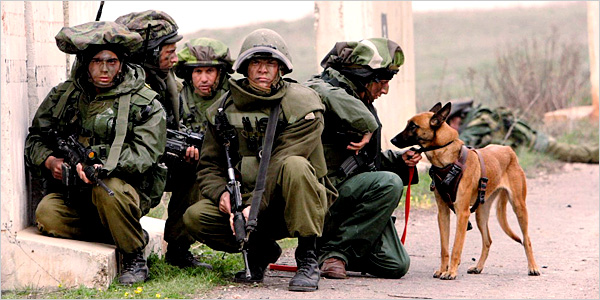
Nurit Kedar wants audiences to feel uneasy when they watch her documentaries

Informed consent is considered a standard requirement when filming people for a documentary. However reasonable the idea, in reality the consent is not always obtained.
“Make media with no impact” – that’s the proclamation of the Greencode Project, referring to the environmental footprint of our industry