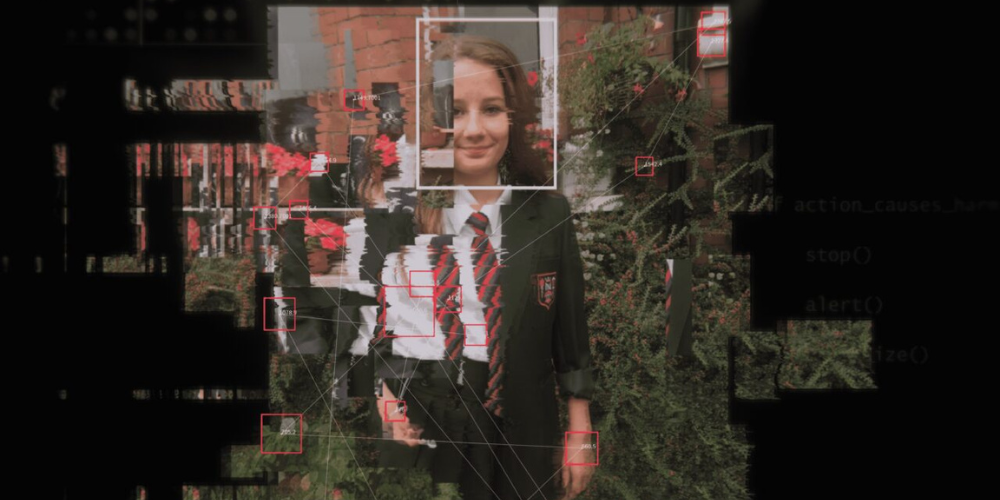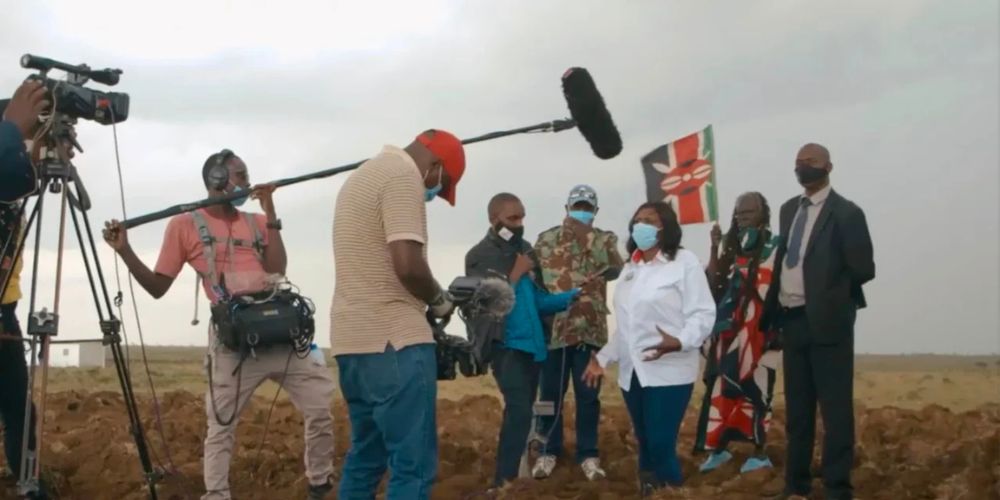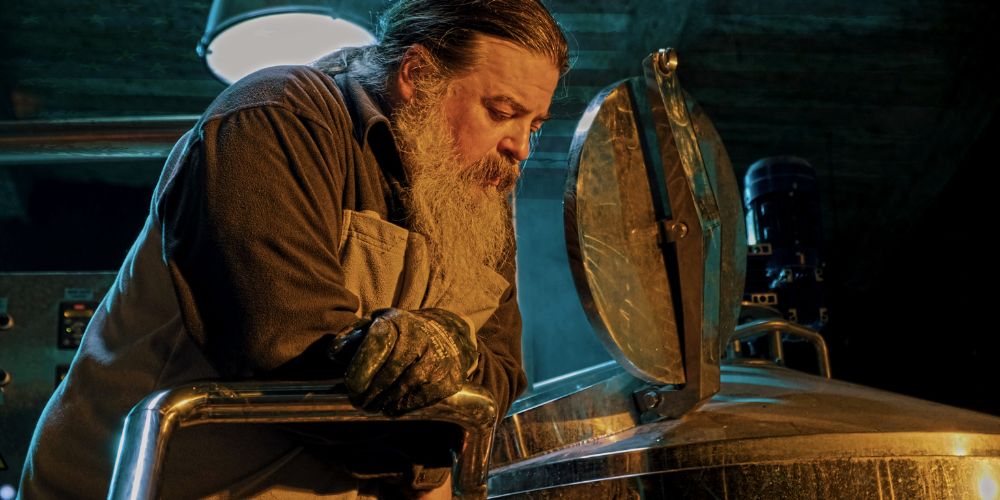
This year, the legendary International Short Film Festival Oberhausen celebrates its 71st edition. Following the resignation of long-time director Lars Henrik Gass after his controversial remarks about the Israel-Hamas conflict, the festival appears to be recovering from last year’s boycott, when many filmmakers, institutional partners, and other guests withdrew their films and chose not to attend the short film epicentre. Now led by a female team — Madeleine Bernstorff and Susannah Pollheim — Oberhausen continues to explore fresh ways in which stories can be told through the medium of film.
One of the topics clearly dominating the International Competition of this year’s festival is the human connection to the non-human world—whether it be landscapes, animals, or demons. This is unsurprising, as we realise that human actions partly trigger ecological catastrophes and that change is needed. Therefore, an increasing number of voices in #academia and the arts are urging us to look beyond the human view and embrace a more holistic perspective — one that also includes animals and elements of nature.
A Call to Reconnect
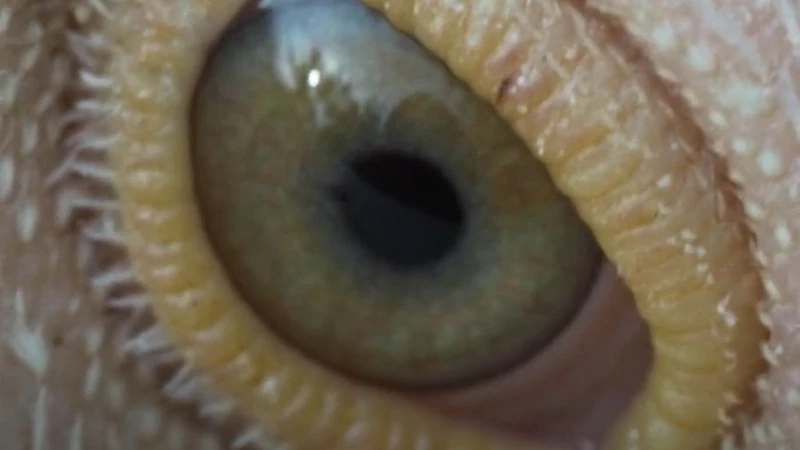
As in many indigenous and traditional cultures, the connection between humans and nature is stronger; several filmmakers have included mythical elements in their narratives. In the Philippine film Nightbirds (Maria Estela Paiso and Ashok Vish, 2024), the main character establishes an enigmatic relationship with the mystical bird Tigmamanukan. The Finnish film Memories Move Like Distant Islands (Saarlotta Virri, 2025) mixes science and folklore while exploring the relationship between humans and wetlands. In the Indian short Dinosaur’s Egg (Sruthil Mathew, 2024), the director revisits his grandparents’ homeland and takes the viewer on a dreamlike journey while exploring archaeological sites.
The mentioned shorts employ various audiovisual and narrative techniques, including observations, staged scenes, texts, stills, and animated and AI-generated elements, to blur the boundaries between human and non-human, present and past, reality and legend. Therefore, classifying them within conventional categories, such as fiction, documentary, or experimental film, seems inappropriate. Perhaps, in emphasising the interconnectedness of all things, even film genres become unnecessary boundaries of division.
The Other Side of the Myth
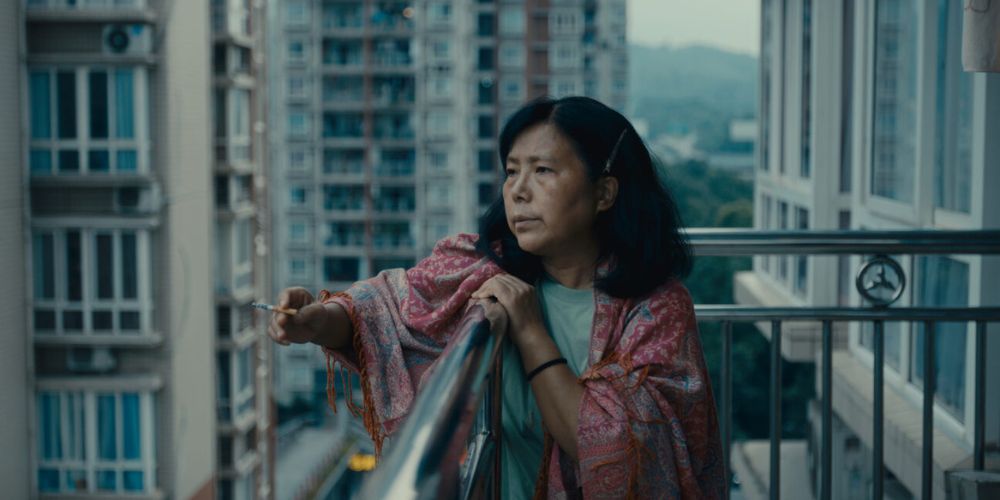
The International Competition also has more critical representations of traditional beliefs. Hao Zhou’s documentary Correct Me If I’m Wrong (Germany/USA, 2025) tells the story of his visit to his family in China. His grandmother is convinced that the director’s non-standard sexual orientation is the result of a demonic presence. The director’s mother was forced to have an abortion before becoming pregnant with Hao, and now, according to the grandmother, the aborted child has returned as a demon girl inhabiting their brother’s body. With the support of family members and locals, the grandmother applies various spiritual prayers, rituals, and therapies to expel the demon girl from her grandson.
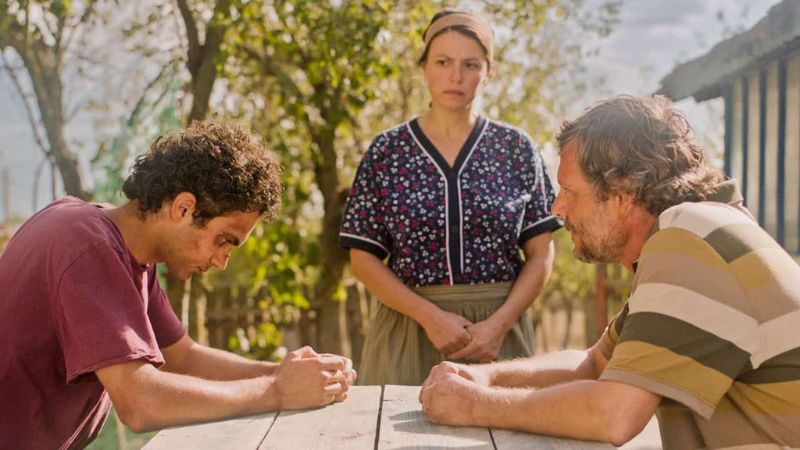
A similar topic has been explored much more dramatically in fiction — for example, in the Romanian film Three Kilometres to the End of the World (Emanuel Pârvu, 2024), which premiered at last year’s #Cannes, a young homosexual man’s family imprisons their son and forces him to participate in exorcism rituals in the hope of curing his homosexuality. In Correct Me If I’m Wrong, however, the family seems genuinely caring, and even though the audience is invited to smile at their superstitious beliefs, it is also presented with their gentle love behind these seemingly absurd actions.
Humans and Landscapes
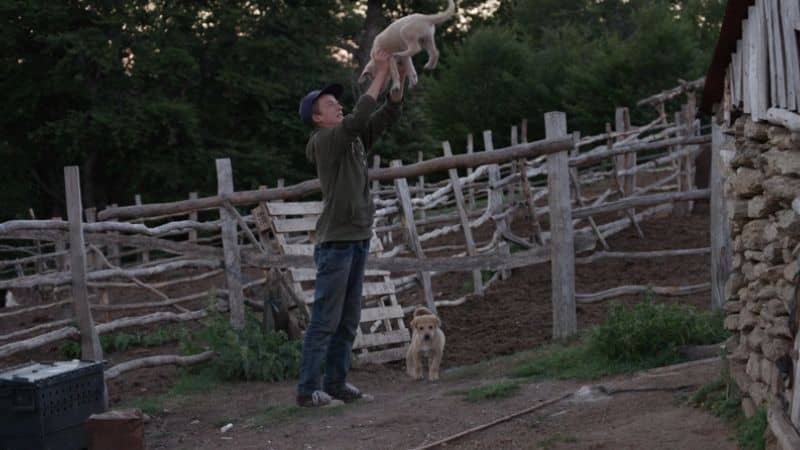
Two other films deserving attention follow a more classical, observational documentary style while exploring the human relationship with their environment. The festival’s Grand Prix winner, the Kyrgyz The Long Way to the Pasture (Ilgiz-Sherniiaz Tursunbek uulu, 2025), and the Iranian Within the Sun (Sepideh Jamshidi Nejad, 2025) both stand out for their stunning cinematography, capturing breathtaking landscapes and portraying characters carrying out physically demanding seasonal work.
Similarly to MTR’s recently reviewed feature documentary, The Mountain Won’t Move (Petra Seliškar, 2025), the Oberhausen winner also features a shepherd family applying traditional animal husbandry methods — this time in #Kyrgyzstan. The nomadic community introduces viewers to their specific working methods, such as getting sheep over the river. Within the Sun also brings us to unknown territory—an Iranian salt mine. There, under a bright sun, older women perform physically demanding labour. However, their seemingly fragile bodies do not collapse under their heavy burdens but continue to the moment of peace and relief.
To conclude, despite the changes in the festival leadership, Oberhausen continues to reshape how we view the world. While many of the International Competition’s films explore the human relationship with the non-human world, they sometimes convey contradictory messages. Therefore, it seems that short films are engaged in discussion with each other — some tell the myths, others criticise them; some offer anthropocentric messages, others invite us to look beyond the human perspective; some follow classical forms, others mix audiovisual elements to such an extent that one could ask whether film categories are even needed. The films clearly speak to each other, and this is something we, too, can do in a diverse society where different conflicts and perspectives are present.