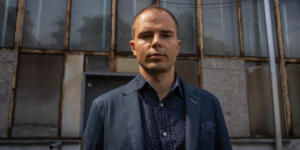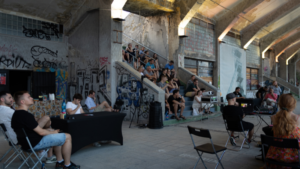
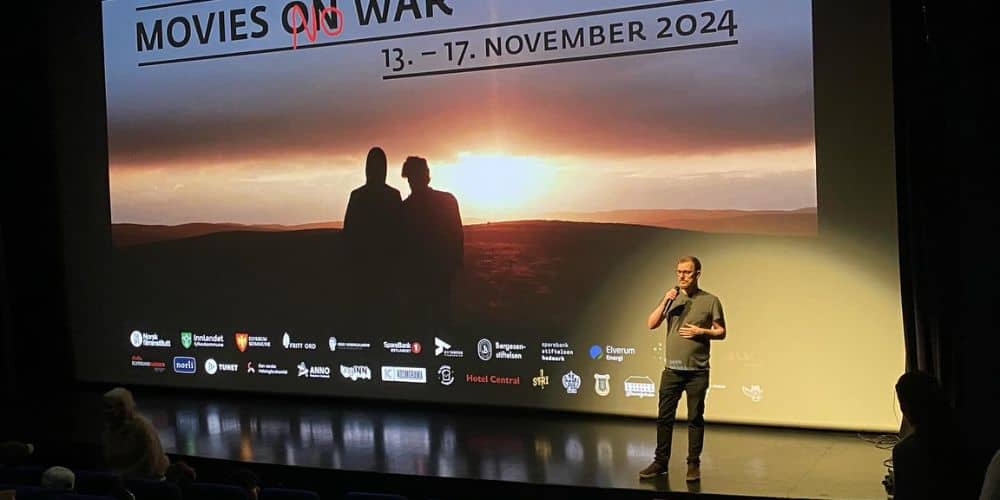
The Movies on War film festival returned to Elverum, Norway, this November, delivering its most ambitious program yet with a lineup of 34 films that explored themes of #conflict, #identity, and resilience. In our interview, festival director #Øystein Egge# reflected on curating this year’s compelling focus on #Gaza and the #Middle East, the role of cinema in our polarised age, and the festival’s role in fostering critical conversations through it. With premieres, regional spotlights, and a vibrant schedule of debates and exhibitions, Egge revealed how Movies on War continued to amplify important themes on the global stage.
Can you describe the curatorial vision for this year’s festival? How did you select the overarching theme or focus of the films presented?
We need to establish some pointers early in the year to secure funding, but we strive to maintain curatorial flexibility until November, allowing us to adapt based on the films released throughout the year. This year, we aimed to provide a «status report,» revisiting some themes and areas we’ve previously explored. We included screenings in solidarity with the Palestinian cause, featuring the first Norwegian screenings of the anthology From Ground Zero and the well-informed Israel Palestina på Svensk TV 1958-1989. Additionally, we highlighted the ongoing challenges that have worsened in #Lebanon with Diaries from Lebanon and In the Shadow of Beirut.
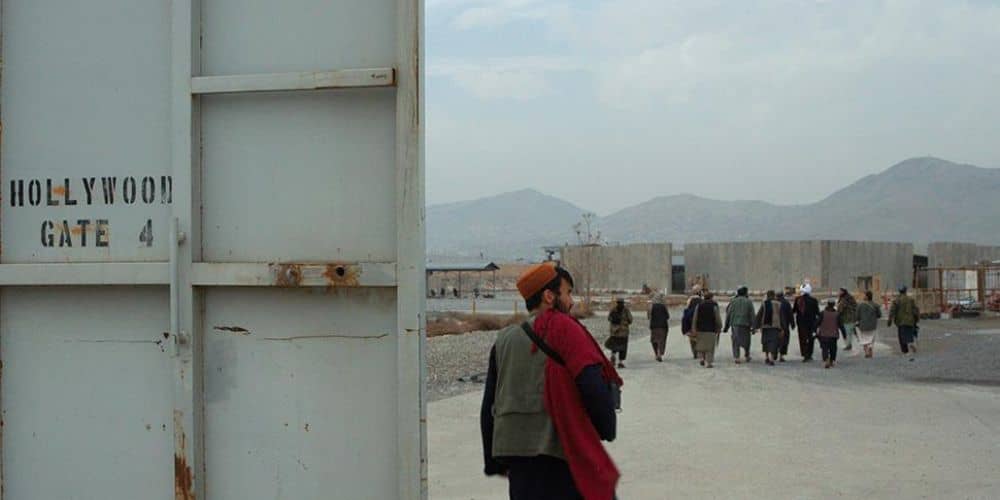
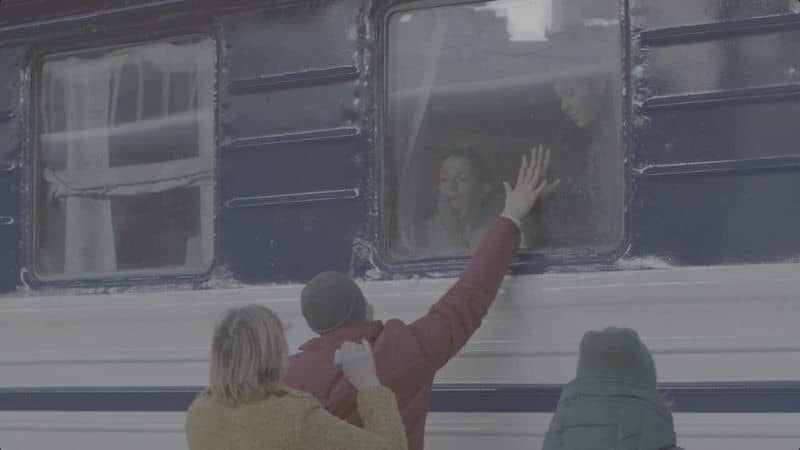
Ukraine and Russia were represented with the Norwegian premiere of the sobering Songs of Slow Burning Earth, a screening and discussion of Of Caravan and the Dogs, and the thriller Antidote. We revisited Afghanistan with the great Hollywoodgate and explored U.S. history and #colonialism through Soundtrack to a Coup d’Etat and Ernest Cole – Lost and Found, amongst a lot more.
How do you balance representing different regions’ experiences of war while ensuring that each film maintains its own unique voice?
Each region—and indeed each person—has a unique experience, which filmmakers capture through their distinct lenses and choices. I hope our audiences recognize the autonomy of each work presented and can perceive the diversity of experiences through our curation.
Each region—and indeed each person—has a unique experience, which filmmakers capture through their distinct lenses and choices.
What role does cinema play in shaping public perception of war, particularly with the rise of alternative media and social platforms? How might the festival’s program challenge or reinforce these perceptions?
The role of cinema becomes more crucial each year as we find ourselves in individual echo chambers, shaped by algorithms that often amplify the extreme over the insightful on social media. Cinema uniquely uses time and thorough storytelling to foster empathy through its close-ups and detailed narratives, giving faces to the statistics we see in the media. The physical setting of a cinema, where audiences come together, can cultivate a deeper understanding of our shared humanity—something that the Internet struggles to achieve.
How do you assess the social and political impact of the festival once it’s concluded?
Measuring the impact is challenging. I hope our films change some opinions, though I worry that most attendees already share our core beliefs. We have a goal that is to attract those who might need this insight most. In a small city, I believe the festival instils a sense of importance and pride in the community. Even if it doesn’t directly lead to action, I hope it inspires gratitude for what we have and a commitment to protect it.
The physical setting of a cinema, where audiences come together, can cultivate a deeper understanding of our shared humanity—something that the Internet struggles to achieve.
Was there any resistance or controversy regarding the programming choices?
Thankfully, our board of programmers always has robust discussions. It’s challenging to determine which issues should be prioritized when selecting films. However, we haven’t encountered any negativity regarding our choices so far, and I’m grateful to live in a country where that remains possible.